Homemade mayonnaise vs. store-bought product: nutritional values, safety, and dietary alternatives
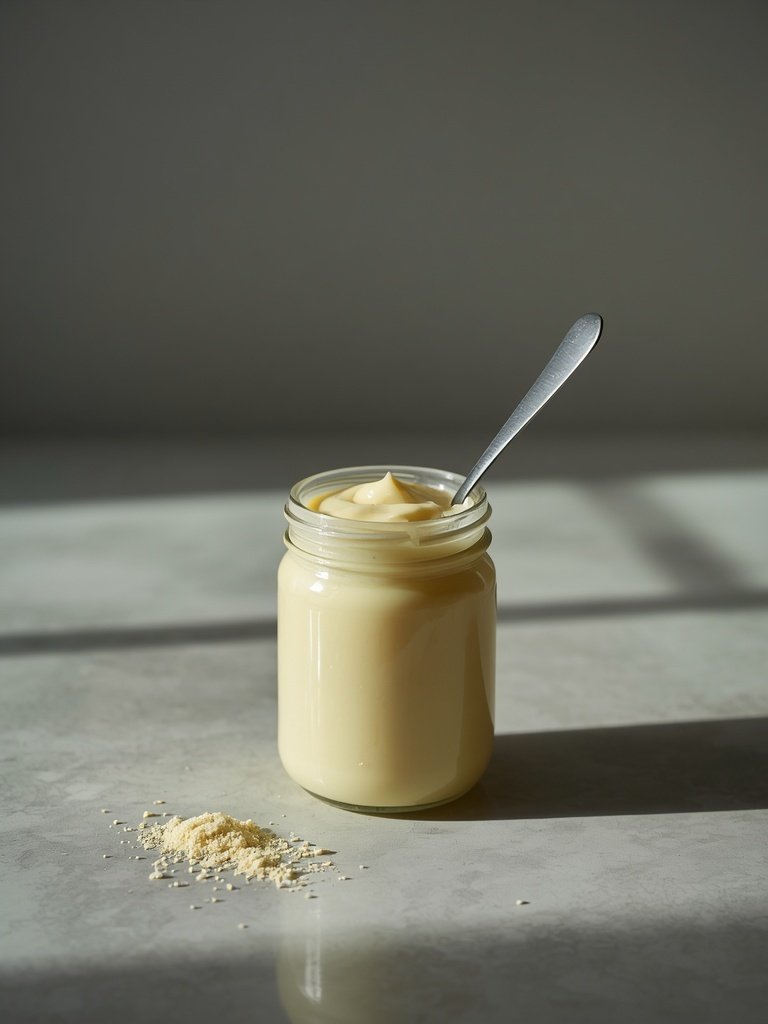
Table of Contents 5
Medical & Editorial Disclaimer (§3 Terms): This article is for informational and educational purposes only, does not constitute medical advice, diagnosis, or treatment, and is used at your own risk. Consult a qualified physician for medical conditions.
Physiological impacts are largely determined by the ingredient profile. Homemade mayonnaise relies on simple, unadulterated staples, whereas commercial alternatives often incorporate refined oils and stabilizers to ensure shelf stability. A significant concern involves microbiological safety, particularly regarding the risk of pathogens found in raw eggs. While industrial products utilize pasteurization to ensure safety, home preparation requires rigorous attention to ingredient quality and storage practices to mitigate potential health hazards.
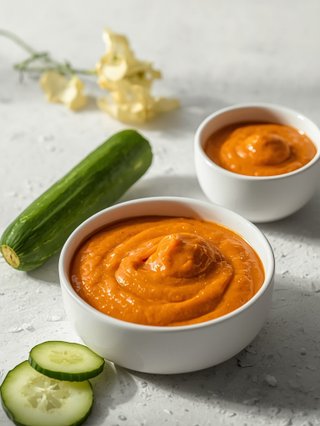
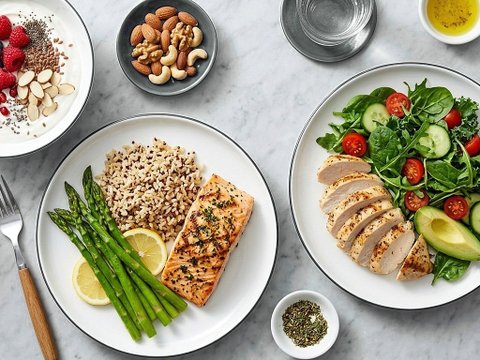
For a more nutrient-dense diet, practitioners often suggest replacing traditional high-fat spreads with healthier emulsified alternatives. Dressings crafted from strained Greek yogurt, pureed avocado, or silken tofu provide a satisfying texture while offering additional protein and beneficial micronutrients. When opting for homemade versions, prioritizing high-quality oils and mindful portion control remains the most effective strategy for maintaining a balanced and wholesome approach to daily nutrition.
Mayonnaise is an omnipresent culinary condiment consisting of a dense oil-in-water emulsion. The choice between freshly prepared homemade mayonnaise and commercially manufactured jars involves vital considerations regarding oil quality, industrial preservatives, thickening gums, microbiological safety (particularly Salmonella hazards), and caloric density. This evidence-based guide critically compares both options and presents healthier culinary alternatives.
Nutritional Value of Mayonnaise – Calories, Fatty Acid Profile, and Health Impact
From a nutritional standpoint, mayonnaise exhibits extreme caloric density:
- Caloric density – 100 g provides 680–720 kcal; a single heaped tablespoon (~25 g) accounts for 170–180 kcal.
- Fatty acid composition – commercial products rely on refined rapeseed or sunflower oils. While rapeseed oil provides cardioprotective monounsaturates (oleic acid), sunflower oil can shift the dietary omega-6 to omega-3 ratio toward a pro-inflammatory profile.
- Egg yolk nutrients – supplies bioavailable choline for hepatic and neurological function alongside lutein for macular protection.
- Clinical contraindications – consumption should be moderated in non-alcoholic fatty liver disease (NAFLD), cholelithiasis, and strict calorie-deficit weight loss regimens.
Homemade vs Store-Bought Mayonnaise: Ingredients, Additives, and Shelf Life
Dissecting ingredient formulations reveals stark contrasts between artisanal and industrial productions:
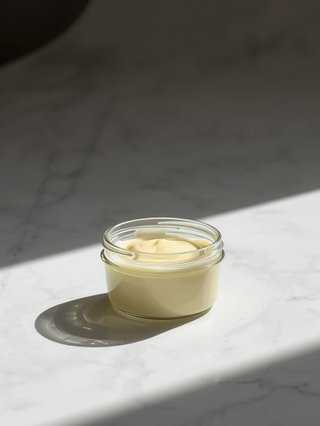
- Homemade mayonnaise – comprises merely 4–5 unadulterated kitchen staples: cold-pressed oil, fresh yolk, lemon juice or vinegar, mustard, and seasonings. Devoid of additives and added sugars, its microbiological shelf life is restricted to 3–5 days refrigerated.
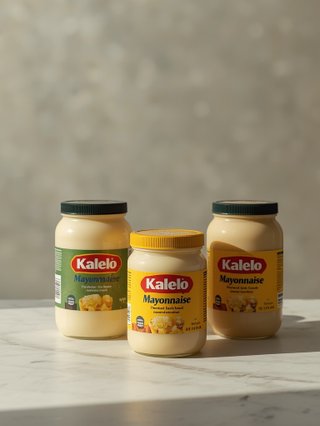
- Commercial mayonnaise – engineered for ambient multi-month shelf stability via calcium disodium EDTA (E385 antioxidant), modified food starches, xanthan gum, and added sucrose. Its primary asset is mandatory pasteurization eliminating foodborne pathogens.
Microbiological Safety – Can Mayonnaise Be Consumed During Pregnancy?
Evaluating mayonnaise consumption during gestation hinges exclusively on egg pasteurization status:
- Commercial mayonnaise – SAFE – commercially packaged products utilize strictly pasteurized liquid egg yolks or whole egg preparations. Industrial heat treatment eradicates Salmonella and Listeria monocytogenes, making store-bought jars entirely safe during pregnancy.
- Traditional homemade mayonnaise – HAZARDOUS – raw unpasteurized shell eggs pose salmonellosis hazards, which can induce severe maternal dehydration and obstetric complications. For pregnant women desiring homemade mayonnaise, eggs must be scalded in boiling water or prepared with commercially pasteurized liquid yolks.
Healthy Mayonnaise Substitutes in Weight Loss Diets
Nutritional practitioners recommend several nutrient-dense emulsified condiments to displace high-fat mayonnaise:
- Greek yogurt dressing – thick strained yogurt whisked with Dijon mustard, lemon juice, garlic, and sea salt yields barely 15–20 kcal per tablespoon while delivering probiotics and protein.
- Whipped ripe avocado – pureed avocado with lime juice delivers cardioprotective monounsaturates, potassium, and vitamin E, functioning as a luscious sandwich spread.
- Silken tofu emulsion – blending silken tofu with apple cider vinegar and mustard produces a rich, cholesterol-free dressing loaded with plant protein.
How to Make Perfect Homemade Mayonnaise – Master Recipe
A fail-safe master formulation for homemade immersion-blender mayonnaise:
Ingredients:
- 1 whole fresh egg (tempered to room temperature)
- 200 ml quality neutral rapeseed or sunflower oil
- 1 tsp sharp Dijon mustard
- 1 tbsp freshly squeezed lemon juice
- Fine sea salt and freshly cracked white pepper to taste
Instructions: Place all ingredients into a tall, narrow blending cup in the specified order. Firmly press the immersion blender to the bottom, activate high power, and hold motionless for 15 seconds until an opaque thick emulsion forms. Slowly draw the blending head upward to emulsify the remaining oil layer. Transfer into a sterilized glass jar and keep refrigerated for up to 4 days.
Want to apply these guidelines in your daily diet?
Our smart diet generator creates a tailored meal plan in 3 minutes based on the recommendations in this article.
Tags

Anna Schmidt
• 25.11.2026Diets Premium Expert
Diets Premium team expert. Specializes in nutrition plans, strength sports, and training plans.