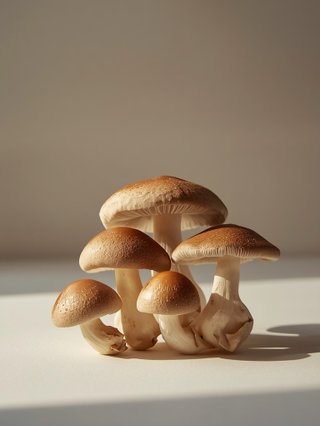
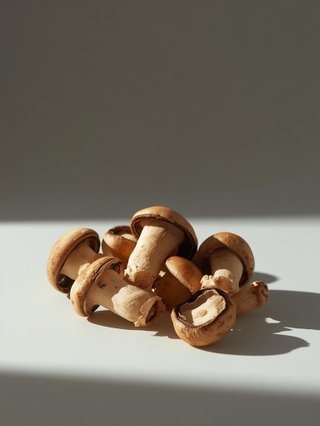
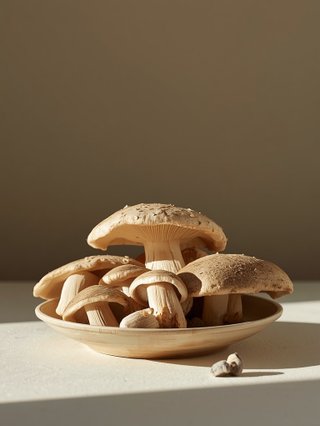
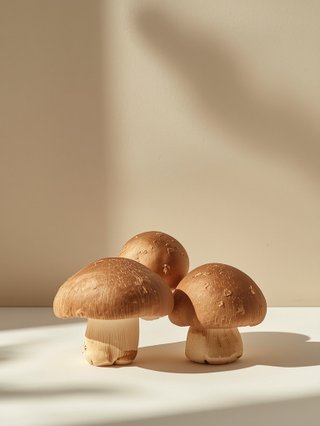
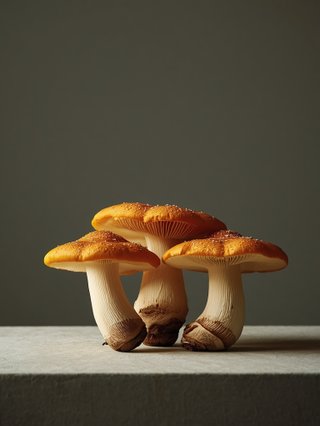
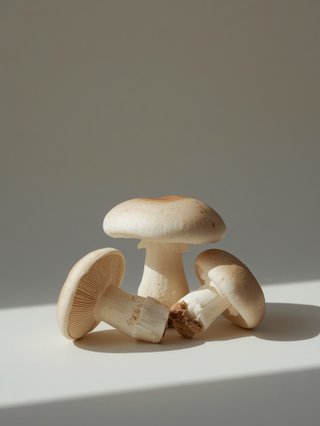
Mushrooms – their characteristics, preparation, and recipes
Table of Contents 4
Medical & Editorial Disclaimer (§3 Terms): This article is for informational and educational purposes only, does not constitute medical advice, diagnosis, or treatment, and is used at your own risk. Consult a qualified physician for medical conditions.
From a physiological standpoint, these mushrooms are recognized for their positive impact on circulatory health. Bioactive compounds found within their structure may help modulate blood coagulation by inhibiting platelet aggregation, which supports healthy microcirculation and vascular integrity. These mechanisms contribute to overall cardiovascular wellness without the need for aggressive interventions. Furthermore, their anti-inflammatory properties provide a natural way to support the immune system and maintain internal balance through dietary choices.
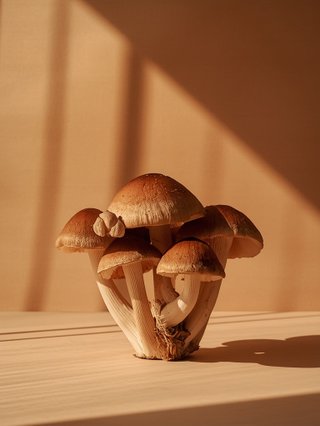
Incorporating mun mushrooms into a daily routine requires simple but essential preparation steps to unlock their benefits. Dried varieties must be rehydrated in warm water until they expand and regain their resilient texture, after which any tough stems should be trimmed away. They serve as a perfect addition to stir-fries, soups, and salads, pairing harmoniously with ingredients like fresh garlic and soy-based dressings. By including these mushrooms in home cooking, individuals can enjoy nutrient-dense meals that support long-term vitality and well-being.
Wood ear mushrooms (*Auricularia spp.*): Morphological traits, culinary applications, and seasonal harvesting in East Asian gastronomy
Therapeutic properties of mun mushrooms: A comprehensive examination of health benefits, mechanisms of action on circulatory health, immune function, and anti-inflammatory processes
Preparing dried wood ear mushrooms – essential steps before culinary use
Mun mushrooms in healthy cuisine: culinary preparation and traditional Asian recipes
1. Colorful Stir-Fry with Mun Mushrooms: Sauté julienned bell peppers, carrots, tender cauliflower florets, mung bean sprouts, and sliced mun mushrooms in a wok with a dash of cold-pressed sesame oil. Season with low-sodium tamari, minced garlic, and fresh grated ginger.
2. Lean Chicken with Rice Noodles and Mun Mushrooms: Braise thinly sliced chicken breast alongside sweet onions, bamboo shoots, and hydrated wood ear ribbons in light mushroom broth, finishing with brown rice noodles and chopped scallions.
3. Aromatic Lemongrass and Ginger Broth: Simmer lemongrass stalks, fresh ginger root, kaffir lime leaves, and a hint of chili in rich vegetable or poultry stock. Add diced chicken breast and mun mushroom ribbons, gently boiling for 10 minutes before serving over soba or glass noodles garnished with fresh cilantro.
4. Refreshing Oriental Crunch Salad: Blanch hydrated mushroom strips in lightly salted water for 3 minutes, drain, and toss with crunchy mung sprouts, bell pepper slivers, glass noodles, and a zesty dressing of lime juice, extra-virgin olive oil, and fresh coriander.
Want to apply these guidelines in your daily diet?
Our smart diet generator creates a tailored meal plan in 3 minutes based on the recommendations in this article.

Literatura:
Diets Premium Expert
Diets Premium team expert. Specializes in nutrition plans, strength sports, and training plans.