Curry spice blend composition – ingredient analysis, health potential, role of curcumin, and culinary application
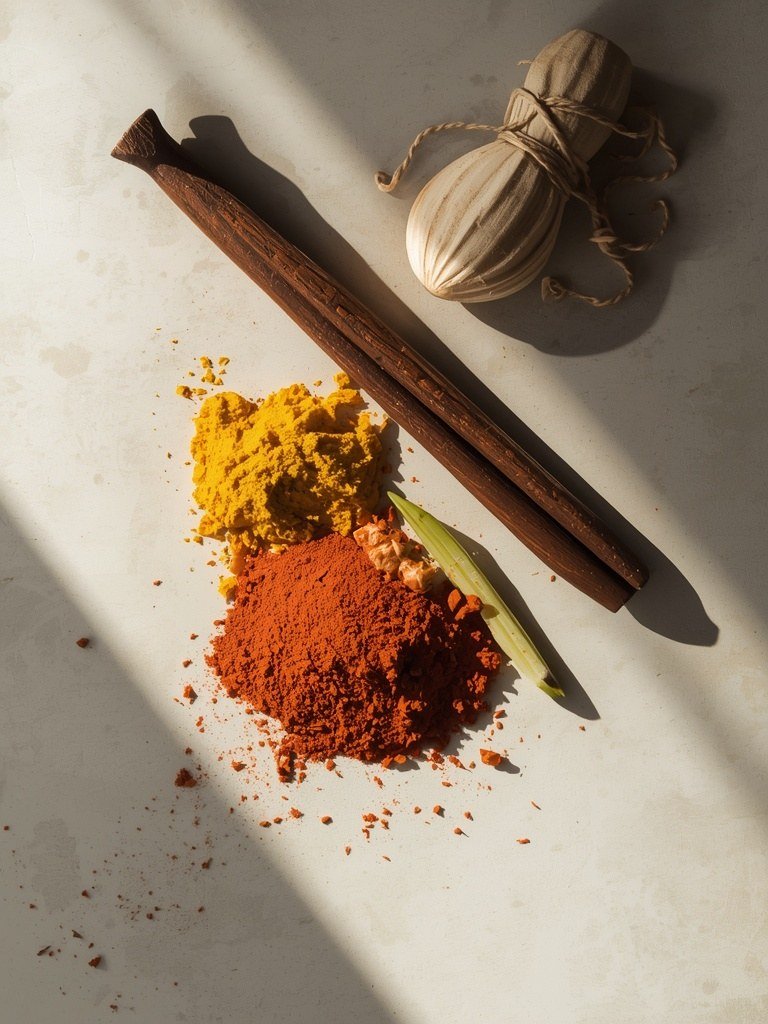
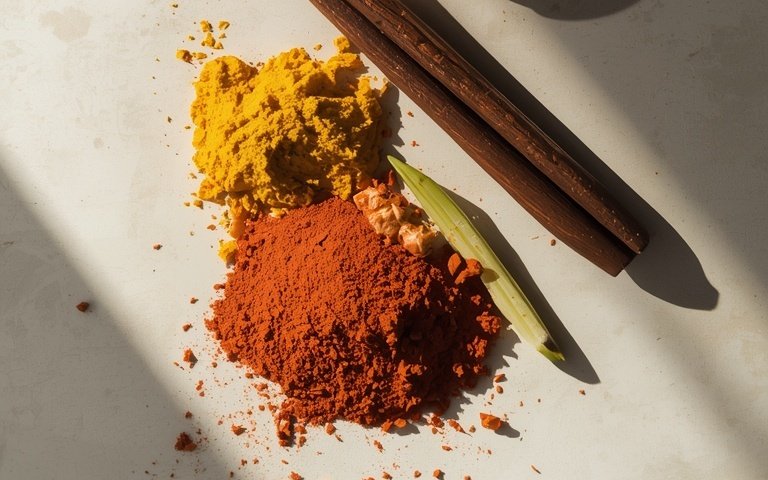
Table of Contents 4
Medical & Editorial Disclaimer (§3 Terms): This article is for informational and educational purposes only, does not constitute medical advice, diagnosis, or treatment, and is used at your own risk. Consult a qualified physician for medical conditions.
At the heart of curry's biological activity is turmeric and its primary active compound, curcumin. Curcumin serves as a potent botanical agent capable of modulating inflammatory pathways and scavenging free radicals within the body. Because standalone curcumin exhibits poor natural absorption, the brilliant synergy of curry powder comes into play: piperine, an alkaloid found in black pepper, dramatically enhances the bioavailability of curcumin. Furthermore, accompanying botanicals such as ginger and cumin stimulate digestive secretions, supporting gastrointestinal comfort and efficient nutrient breakdown.
To maximize both sensory richness and lipid-soluble nutrient absorption, the blend is best prepared by gently blooming the spices in a healthy warm cooking fat before introducing liquids or vegetables. This traditional technique releases volatile essential oils and ensures optimal intestinal uptake of curcumin. Incorporating curry powder into plant-based stews, lentil dishes, and savory sauces offers a delicious, evidence-based method to elevate daily nutrition and support long-term cellular health.
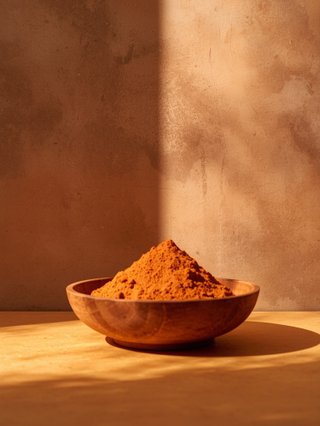
Curry powder is among the most recognized and celebrated seasoning blends globally, deeply rooted in Indian culinary heritage and Ayurvedic medicine traditions. While authentic Indian home cooking favors regional, freshly roasted spice blends termed masalas, curry powder emerged as an international icon of golden, aromatic warmth. Beyond its distinctive culinary sensory profile, curry represents a potent phytochemical matrix: its constituent spices—led by turmeric, coriander, cumin, ginger, fenugreek, and black pepper—exert synergistic anti-inflammatory, antioxidant, cardioprotective, and digestive benefits.
Origins, Heritage, and Anatomical Breakdown of Curry Blends
The etymology of curry traces back to the Tamil word kari, signifying a spiced sauce served with rice. The standardized powder blend was popularized in the 18th century by British colonial merchants seeking to replicate Indian flavor profiles for Western tables. The foundational core of any authentic curry powder is turmeric (providing golden hue and earthy undertones), coriander seeds (contributing bright citrus notes), cumin (delivering warm, smoky depth), ginger, fenugreek, mustard seed, cinnamon, cloves, cardamom, nutmeg, and black pepper or chili. Traditionally, whole raw spices are gently dry-toasted before grinding to liberate volatile essential oils and deepen aromatic compounds.
Turmeric and Curcumin: Molecular Anti-Inflammatory and Antioxidant Mechanisms
The primary bioactive compound anchoring curry is turmeric (Curcuma longa) and its signature polyphenolic curcuminoids, particularly curcumin. Rigorous clinical investigations establish curcumin as a formidable natural anti-inflammatory agent: it blocks the nuclear factor kappa B (NF-kB) transcriptional pathway, downregulating pro-inflammatory cyclooxygenase-2 (COX-2), lipoxygenase, and systemic cytokines (TNF-alpha, IL-6). Consequently, it provides evidence-based therapeutic support in osteoarthritis, inflammatory bowel conditions, and cardiovascular dysfunction. Furthermore, it operates as a potent antioxidant, scavenging free radicals and upregulating endogenous antioxidant enzymes such as glutathione peroxidase.
Phytochemical Synergy: Piperine Bioavailability Enhancement and Digestive Botanicals
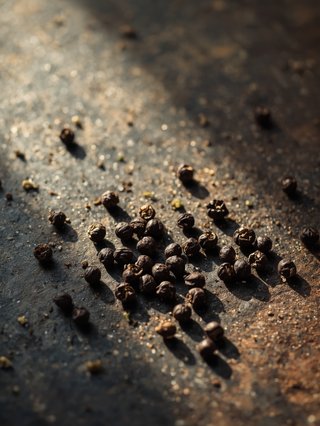
Isolated curcumin suffers from markedly poor oral bioavailability due to rapid hepatic and intestinal glucuronidation and low water solubility. The clinical brilliance of traditional curry powder lies in biological synergy: piperine, the alkaloid from black pepper, inhibits hepatic glucuronidation enzymes, dramatically amplifying curcumin bioavailability by up to 2000%! Concurrently, gingerols from ginger stimulate gastric secretions and exert anti-emetic actions; cumin enhances pancreatic digestive lipase activity, and coriander essential oils exert spasmolytic actions upon smooth intestinal musculature, preventing postprandial meteorism.
Culinary Applications: The Tadka Bloomed-Spice Technique and Healthy Recipes
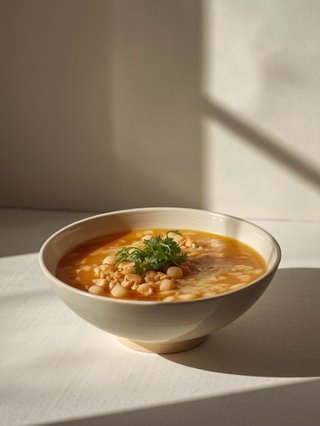
To maximize sensory flavor extraction and nutrient bioavailability, curry powder should be bloomed using the authentic tadka method: gently toasting the ground powder in healthy warm fat (extra virgin olive oil, clarified ghee, or unrefined coconut oil) for 30–60 seconds prior to incorporating aromatics and liquids. Because curcumin is highly lipophilic, cooking it in culinary lipids ensures optimal intestinal absorption. Curry powder enriches plant-based chickpea and lentil stews, velvet butternut squash or carrot veloutés, marinades for free-range poultry and organic tofu, and vibrant stir-fried vegetable medleys over basmati rice.
Want to apply these guidelines in your daily diet?
Our smart diet generator creates a tailored meal plan in 3 minutes based on the recommendations in this article.

Wojciech Wiśniewski
• 23.10.2026Diets Premium Expert
Diets Premium team expert. Specializes in nutrition plans, strength sports, and training plans.