



WELCOME & NUTRITION SUPPORT

Naturopathic Medicine and Herbalism

It's a familiar story: You pledge to honor a daily elliptical routine and count every last calorie. But soon, you're eating cupcakes at the office and grabbing happy hour drinks, thinking, 'Oops, diet over.'

I've helped people exactly like you – smart, ambitious, put together – figure out the one thing that eludes them: Their ideal weight and long-term metabolic health. If you're like lots of people I help, you don't like restrictive rules, feel tired often, have tried working out and cutting calories, but need a truly sustainable clinical approach.

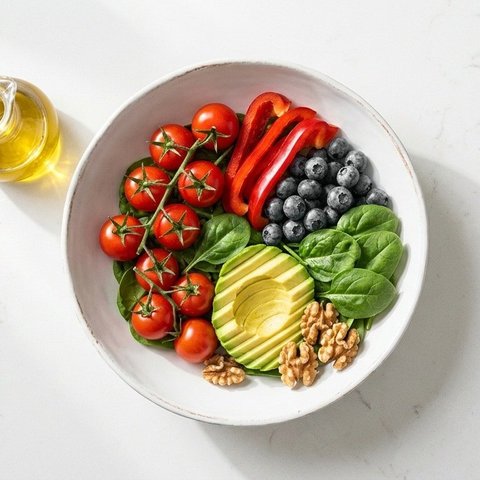
Fresh organic green produce in heart shape
HOW TO START

It's Easy to Start Today!

Eat Healthy

Eating habits should be regulated and controlled – only natural organic food will make our body healthy and strong.

Workout Hard

Diet is not the only ingredient of a long happy life. Physical exercise is also important for your health and vitality.

Enjoy Your Life

See how your life becomes a pleasant adventure, full of bright colors and fun activities with sustainable energy.

SERVICES
Personal Health Program

Personal Health Program

It does not matter if you want to lose weight, build lean muscle, or simply improve overall longevity and vitality.

Personal Fitness Trainer

Personal Fitness Trainer

A professional personal training and activity program created specifically with you and your individual goals.

Wellness Counseling

Wellness Counseling

We will be focused and working with you privately every step of the way to achieve permanent habit changes.

Diet Programs

Diet Programs

Healthy eating is one of the best things you can do to prevent and manage chronic health and metabolic problems.

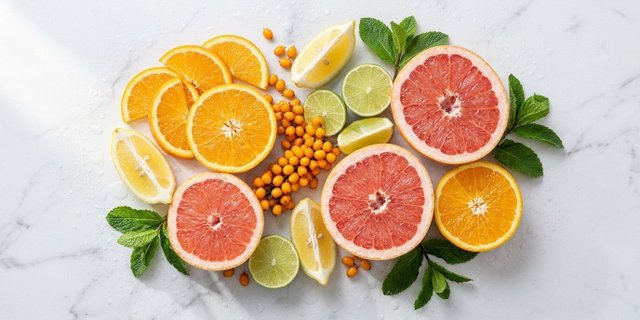
Refreshing Citrus Background
FREE RECOMMENDATIONS

Change Your Health in One Day!

Special Program for Pregnant Women
POPULAR PROGRAMS & CLINICAL PROTOCOLS

Special Program for Pregnant Women

Pregnancy, infancy and early childhood are periods of rapid physiological growth and development. Insufficient nutrition during these critical growth and developmental periods places health and vitality at risk.

As a result, our clinical protocols educate and support pregnant and postpartum women about the importance of balanced micronutrition, gentle exercise, and allergen safety to ensure vibrant health for both mother and child.

8
Programs
161
Happy Customers
7
Awards
117
Success Stories

Subcategories & Topics:

10 areas

Dedicated Articles and Guides

Scientific papers, diet templates, and recommendations in Naturopathic Medicine and Herbalism

30 publications
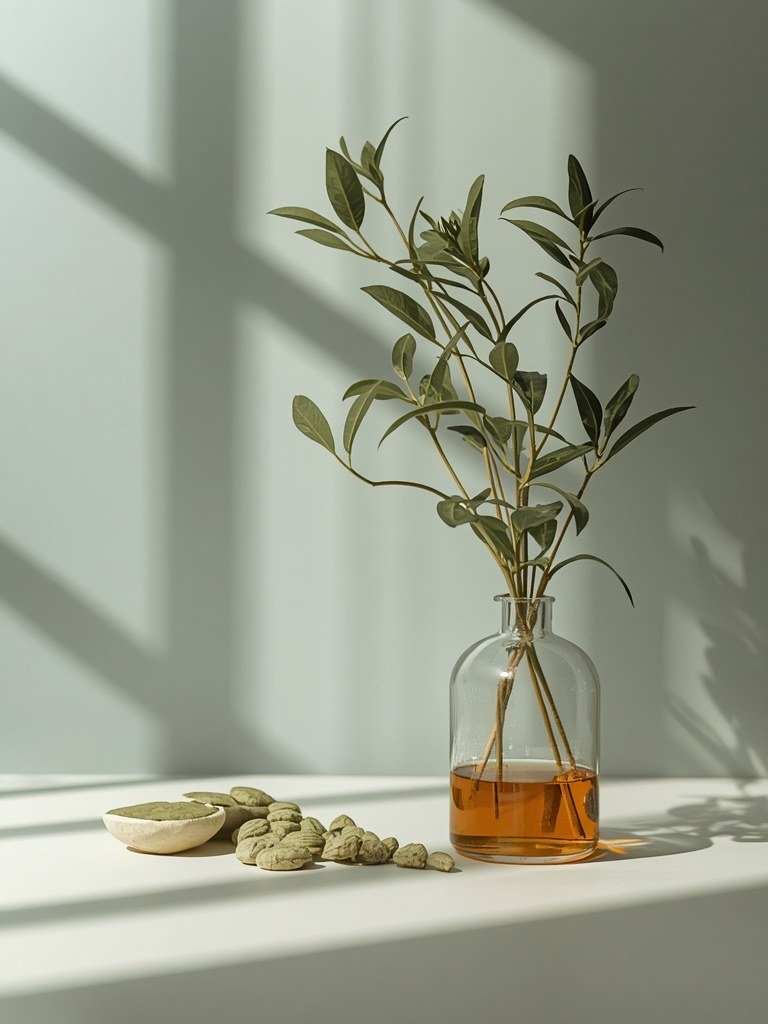
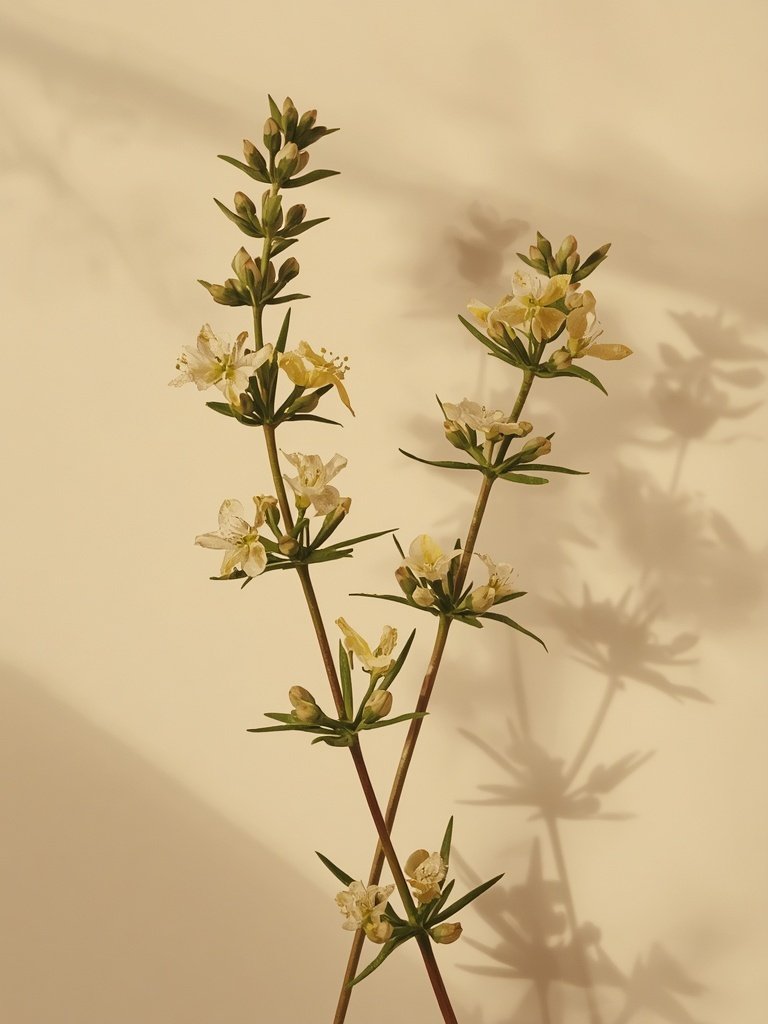
Wild thyme (Thymus serpyllum) – botanical characteristics, medicinal properties and use in phytotherapy

Wild thyme (Thymus serpyllum) – botanical characteristics, medicinal properties and use in phytotherapy

Wild Thyme (Thymus serpyllum), a member of the mint family (Lamiaceae), is a revered medicinal subshrub with deep roots in European phytotherapy. Abundant in an essential oil rich in thymol and carvacrol, as well as flavonoids, tannins, and triterpene acids, it exerts potent antibacterial, secretomotoric, antispasmodic, and anti-inflammatory actions. It is extensively utilized to soothe upper respiratory infections, optimize digestive function, and resolve mucosal inflammations.
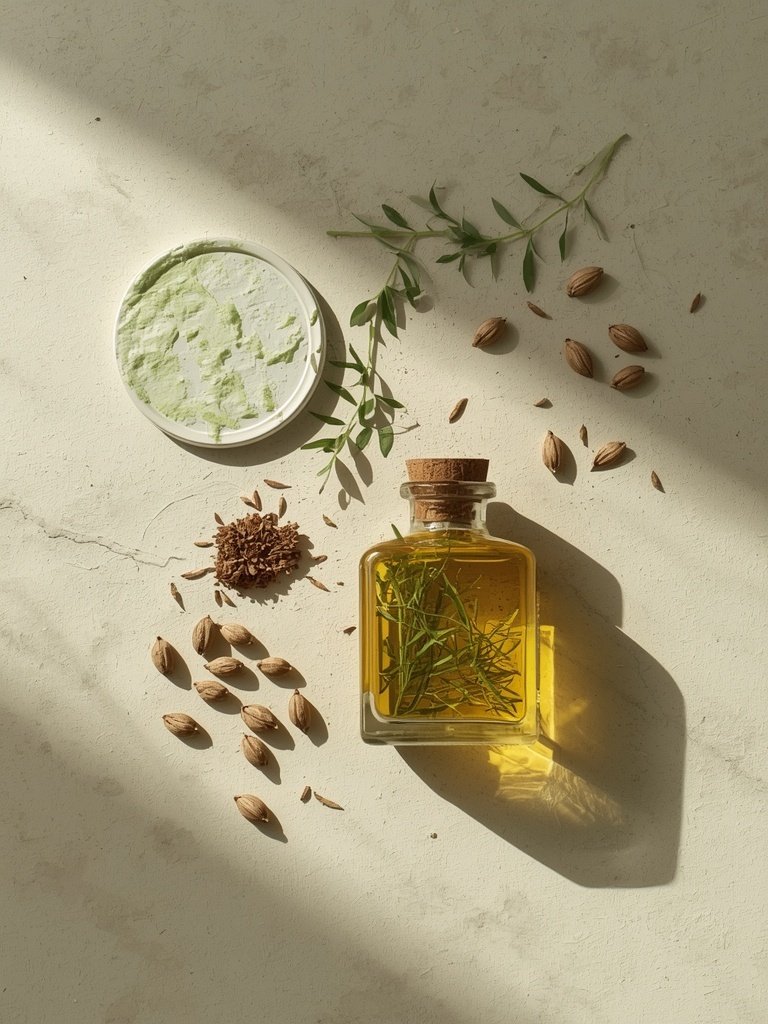

Lungwort (Pulmonaria) – uses, seeds, and root. Homemade lungwort tincture and its health benefits

Lungwort (Pulmonaria) – uses, seeds, and root. Homemade lungwort tincture and its health benefits

Lovage (Levisticum officinale) is a perennial culinary and medicinal herb of the Apiaceae (parsley) family, famous for its savory, celery-like fragrance often dubbed 'natural maggi'. Beyond its gastronomic versatility, lovage roots, foliage, and fruits represent classical pharmacopoeial botanicals exhibiting pronounced diuretic, carminative, spasmolytic, and digestive-stimulatory virtues.

Lychee – botanical characteristics, culinary uses, nutritional profile, and health benefits

Lychee – botanical characteristics, culinary uses, nutritional profile, and health benefits

The lychee (Litchi chinensis), historically celebrated as the Chinese strawberry, is a subtropical fruit belonging to the soapberry family (Sapindaceae). Renowned for its translucent juicy aril, perfumed floral sweetness, and formidable ascorbic acid density, lychee also serves as the premier source of oligonol, an optimized low-molecular-weight polyphenol complex. This comprehensive review examines the botanical background, nutritional attributes, culinary utilization, and vital metabolic safety considerations regarding hypoglycin A in unripened fruit.

Medications, supplements, herbal remedies, or infusions – how to effectively lower cholesterol? A comprehensive comparison of methods

Medications, supplements, herbal remedies, or infusions – how to effectively lower cholesterol? A comprehensive comparison of methods

Elevated circulating cholesterol, particularly atherogenic low-density lipoprotein (LDL-C), constitutes a primary driver of cardiovascular morbidity and ischemic mortality. Clinicians and patients frequently navigate therapeutic choices spanning guideline-directed pharmacotherapy, nutraceutical supplements, and evidence-based herbal infusions. This article provides a comprehensive comparative analysis of their mechanisms, therapeutic efficacy, and clinical safety profiles.

Hypothyroidism – pharmacotherapy, dietary recommendations, and herbal support in clinical practice

Hypothyroidism – pharmacotherapy, dietary recommendations, and herbal support in clinical practice

In accordance with current endocrinological guidelines, hypothyroidism represents a disorder marked by diminished serum levels of free thyroxine (fT4), which consequently results in reduced biological activity of triiodothyronine (T3) at the tissue level. Clinically, this condition manifests as a systemic deceleration of metabolic reactions throughout the organism, reflected in a broad spectrum of generalized symptoms with varying degrees of severity.

Phytotherapy and Nutritional Support in the Therapy of Hypothyroidism and Hashimoto's Disease

Phytotherapy and Nutritional Support in the Therapy of Hypothyroidism and Hashimoto's Disease

Hypothyroidism is a prevalent clinical endocrine syndrome precipitated by an insufficiency of thyroid hormones—thyroxine (T4) and triiodothyronine (T3)—at peripheral cellular targets. In iodine-replete regions, chronic autoimmune thyroiditis (Hashimoto's thyroiditis) represents the leading etiology. This pathology leads to decreased basal metabolic rate, refractory fatigue, dyslipidemia, mood disturbances, and cold intolerance. While levothyroxine replacement therapy serves as the standard pharmacological backbone, targeted adaptogenic phytotherapy, essential micronutrient repletion, and metabolic optimization of peripheral deiodination represent vital pillars of clinical care.

Polycystic Ovary Syndrome (PCOS) – diet therapy, insulin sensitivity, and hormonal balance

Polycystic Ovary Syndrome (PCOS) – diet therapy, insulin sensitivity, and hormonal balance

Polycystic Ovary Syndrome (PCOS) represents the most common endocrine condition among women of reproductive age, affecting an estimated 8% to 15% globally. While historically regarded primarily as a gynecological syndrome manifesting with menstrual irregularities and subfertility, contemporary endocrinology recognizes PCOS as a complex metabolic-endocrine disorder. At its pathogenic core lies an interplay between peripheral insulin resistance, compensatory hyperinsulinemia, and ovarian theca-cell androgen hypersecretion. This comprehensive review outlines evidence-based medical nutrition therapy, recognized internationally as the primary first-line intervention for PCOS.

Candidiasis therapy using natural methods: antifungal phytotherapy and microbiota optimization in the fight against Candida albicans

Candidiasis therapy using natural methods: antifungal phytotherapy and microbiota optimization in the fight against Candida albicans

Candidiasis is among the most prevalent opportunistic infections, arising from an imbalance between host immune surveillance, indigenous gut microbiota, and yeast species of the genus Candida, predominantly Candida albicans. Under homeostatic physiological conditions, these organisms exist as harmless commensals within the gastrointestinal tract and mucosal linings. However, broad-spectrum antibiotics, high-glycemic diets, chronic psychological stress, and compromised immunity can trigger fungal overgrowth, phenotypic hyphal switching, and tissue invasion. This article details an evidence-based integrative protocol employing antifungal phytotherapy, bioactive lipids, and microbiota optimization.

Laghupanchamula in modern phytotherapy: composition of five smaller roots, phytochemicals, anti-inflammatory and nephroprotective action

Laghupanchamula in modern phytotherapy: composition of five smaller roots, phytochemicals, anti-inflammatory and nephroprotective action

Laghupanchamula ('the group of five lesser roots') is a revered classical polyherbal formulation of Ayurvedic pharmacology, establishing one of the two foundational halves of the famed Dashamula compound. It synergizes the subterranean roots of five medicinal herbs: Kantakari (Solanum virginianum), Brihati (Solanum indicum), Gokshura (Tribulus terrestris), Shalaparni (Desmodium gangeticum), and Prishniparni (Uraria picta). Contemporary pharmacognosy reveals that this herbal matrix yields steroidal saponins, flavonoids, and pterocarpans exhibiting potent analgesic, anti-inflammatory, and nephroprotective bioactivity. This clinical monograph examines botanical taxonomy, molecular pathways, and contemporary therapeutic uses.

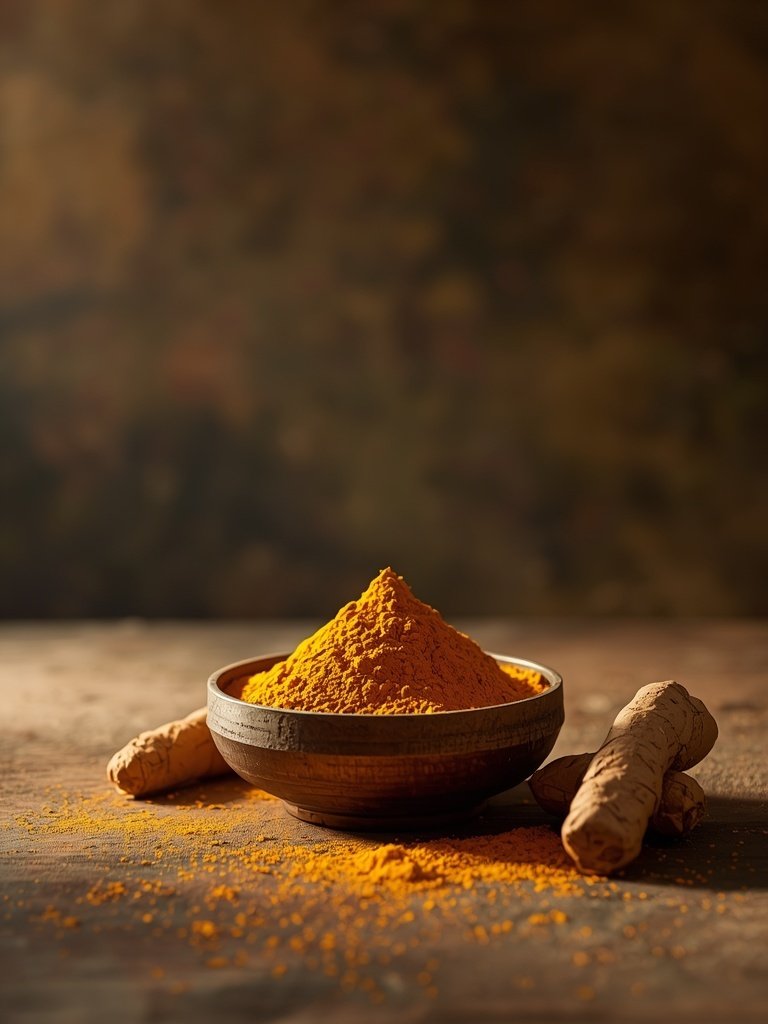
Turmeric – the gold of Indian cuisine, traditional medicine of the Far East, and authentic Golden Milk (Haldi Doodh)

Turmeric – the gold of Indian cuisine, traditional medicine of the Far East, and authentic Golden Milk (Haldi Doodh)

Turmeric (Curcuma longa), venerated in ancient Sanskrit medical treatises as Haridra ('auspicious yellow'), forms an indelible pillar of Indian cultural heritage, Vedic cuisine, and Ayurvedic therapeutic systems. For upwards of four millennia, traditional practitioners celebrated this aromatic rhizome as an unparalleled blood purifier, vitality tonic, and harmonic balancer of biological energies. Today, contemporary molecular science validates what traditional wisdom long practiced. This comprehensive exploration examines the Ayurvedic philosophy of turmeric, dissects its detailed macronutrient and vitamin matrix, provides an authentic formulation for classical Golden Milk (Haldi Doodh), and evaluates current clinical evidence supporting its application in joint comfort, digestive wellness, and immune defense.

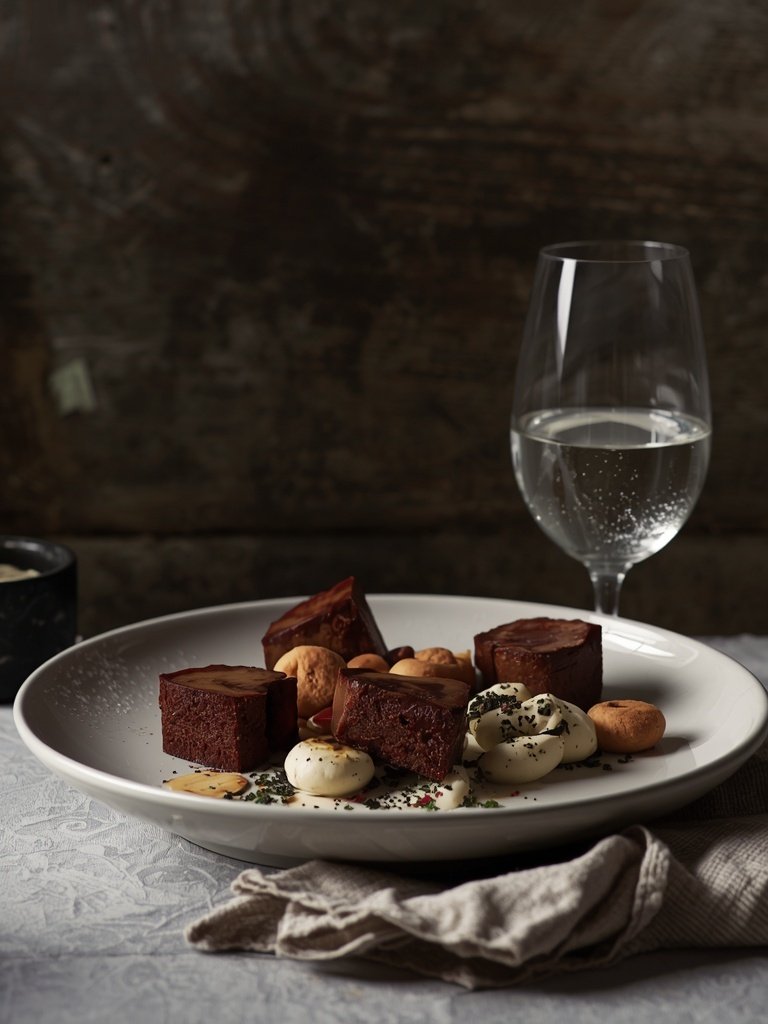
French culinary art: unique characteristics, cultural heritage, and classic recipes

French culinary art: unique characteristics, cultural heritage, and classic recipes

French gastronomy serves as the structural foundation of modern Western culinary arts, inscribed on the UNESCO Intangible Cultural Heritage list as an archetype of gastronomic conviviality. From the rigorous codification of classical Haute Cuisine by Auguste Escoffier, to the foundational 'mother sauces' (sauces mères), down to rustic Provençal farmhouse traditions and Parisian bistro culture. Explore regional terroir, wine pairings, and definitive master recipes for classic French onion soup and Bœuf Bourguignon.

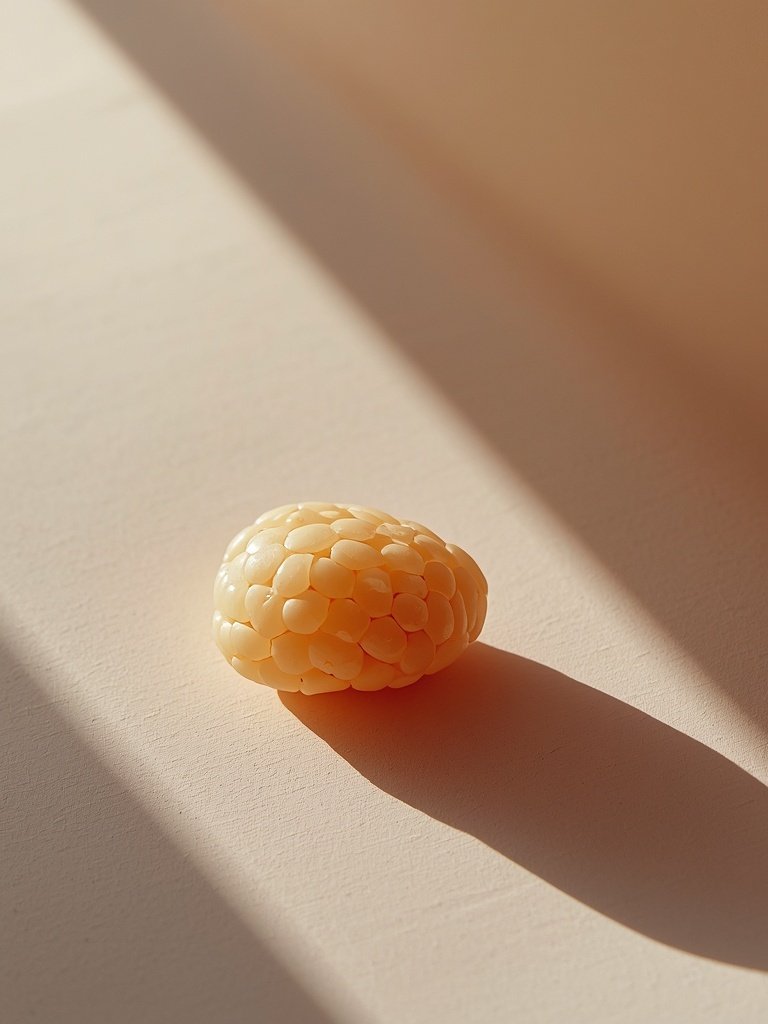
Anatomy and role of taste buds: structure, typology of lingual papillae, and physiology of taste perception

Anatomy and role of taste buds: structure, typology of lingual papillae, and physiology of taste perception

The sense of taste (gustation) operates as an indispensable physiological and evolutionary mechanism, enabling humans to appraise caloric nutritional value while guarding against dangerous toxins and spoiled food. Chemical tastants are detected by specialized taste buds embedded within lingual papillae, the soft palate, and pharyngeal mucosa. A thorough examination of taste bud histology, lingual papillae classification, the five core taste modalities, and neural signaling pathways.

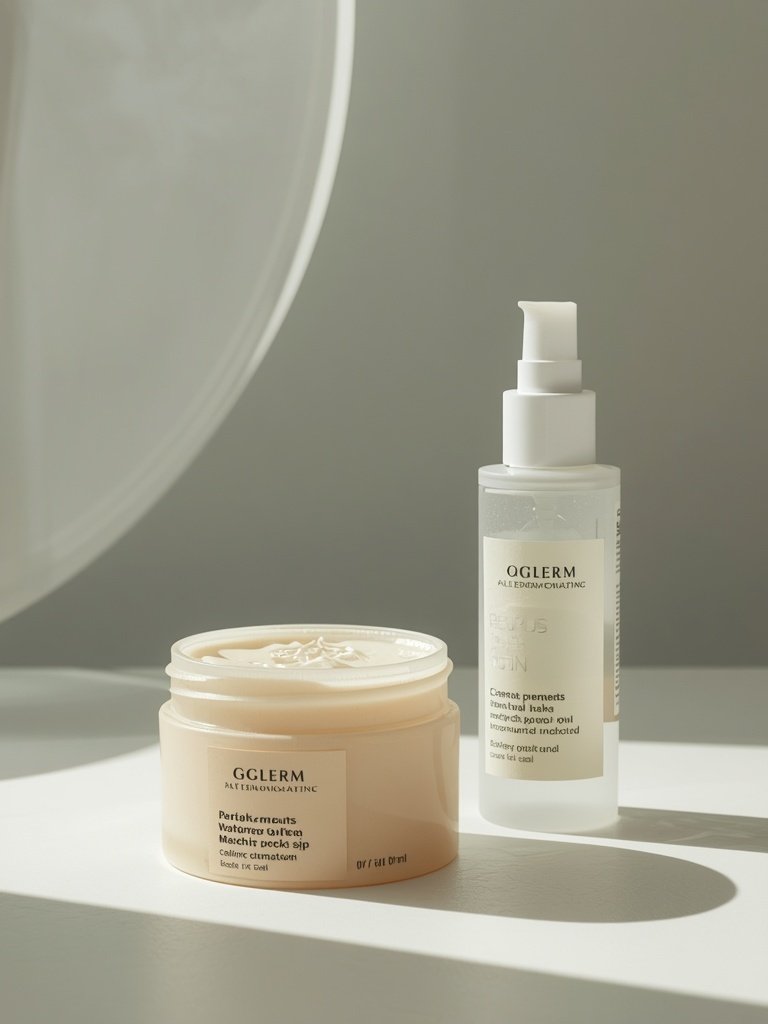
Acne skin care: creams, ointments, gels, and active substances in dermatology

Acne skin care: creams, ointments, gels, and active substances in dermatology

Effectively managing acne vulgaris demands a pathophysiological approach targeting the four core drivers: follicular hyperkeratinization, excess sebum output, Cutibacterium acnes proliferation, and local inflammation. Harsh stripping using astringent alcohols damages the stratum corneum barrier, perpetuating rebound flares. This evidence-based dermatological guide explores clinically proven active ingredients—including azelaic acid, salicylic acid, niacinamide, and non-comedogenic ceramide moisturizers.

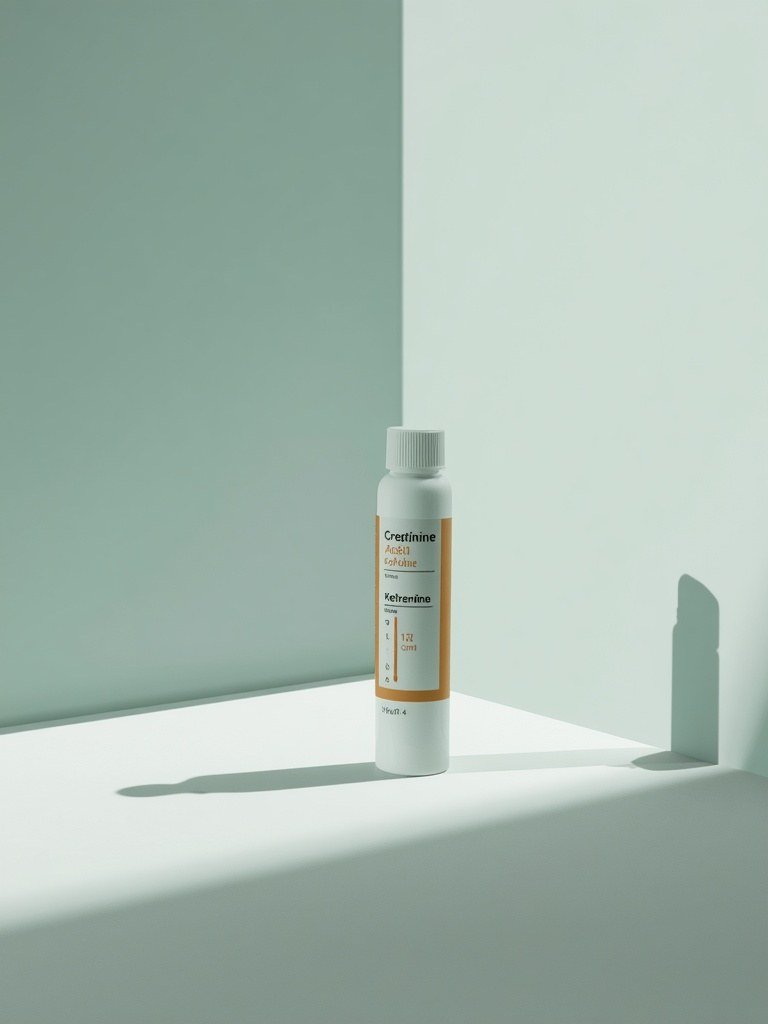
Creatinine and eGFR: laboratory norms, causes of deviations, and the influence of diet on kidney function

Creatinine and eGFR: laboratory norms, causes of deviations, and the influence of diet on kidney function

Serum creatinine concentration and the derived estimated glomerular filtration rate (eGFR) represent foundational clinical biomarkers for assessing renal excretory performance. As a metabolic byproduct of muscle phosphocreatine breakdown, creatinine is cleared primarily via glomerular filtration. This comprehensive review examines reference intervals, pathological elevations and declines, diagnostic confounders, and the impact of hydration, high-protein diets, and sports supplementation.

Gout and uric acid stones: diagnosis, therapy, the influence of alcohol, and low-purine diet principles

Gout and uric acid stones: diagnosis, therapy, the influence of alcohol, and low-purine diet principles

Gout (gouty arthritis) and uric acid urolithiasis stem from persistent hyperuricemia exceeding the physiologic solubility threshold of serum urate. The subsequent precipitation of monosodium urate crystals within synovial joints causes excruciating acute attacks (podagra), while renal tubular deposition fosters stone formation. This comprehensive clinical guide covers etiologies, laboratory diagnostics, medical management, and low-purine dietary protocols.

Key elements shaping our interpersonal preferences – criteria for attractiveness between people

Key elements shaping our interpersonal preferences – criteria for attractiveness between people

What causes human beings to experience deep mutual affinity, friendship, or romantic attraction? Social psychology has long mapped the systematic determinants of interpersonal attraction. This comprehensive guide reviews the 9 foundational pillars shaping how we select partners and friends.

Diet for atherosclerosis. Herbs supporting the treatment of atherosclerosis

Diet for atherosclerosis. Herbs supporting the treatment of atherosclerosis

With societal progress, the consumption of highly processed foods and fast food increases. A fast-paced lifestyle leads to deteriorating dietary habits, reduced physical activity, and a rise in civilizational diseases. Among them is atherosclerosis, a vascular disease that significantly impairs quality of life and poses a serious health risk. Learn about the causes, symptoms, and effective prevention methods for this dangerous condition.

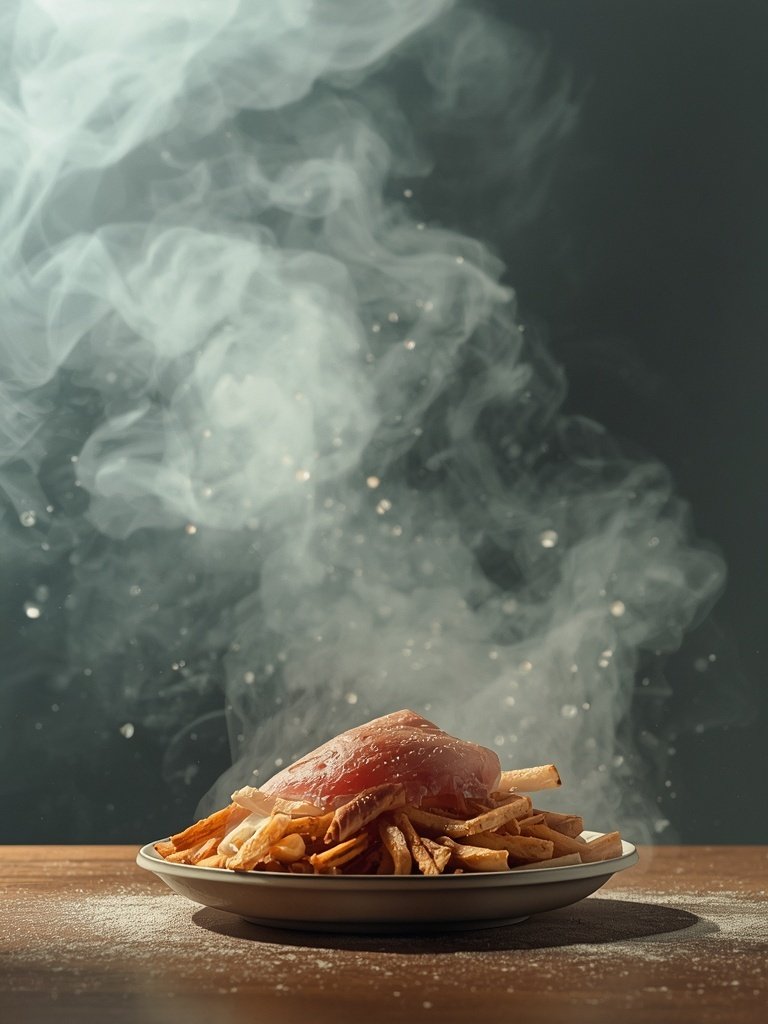
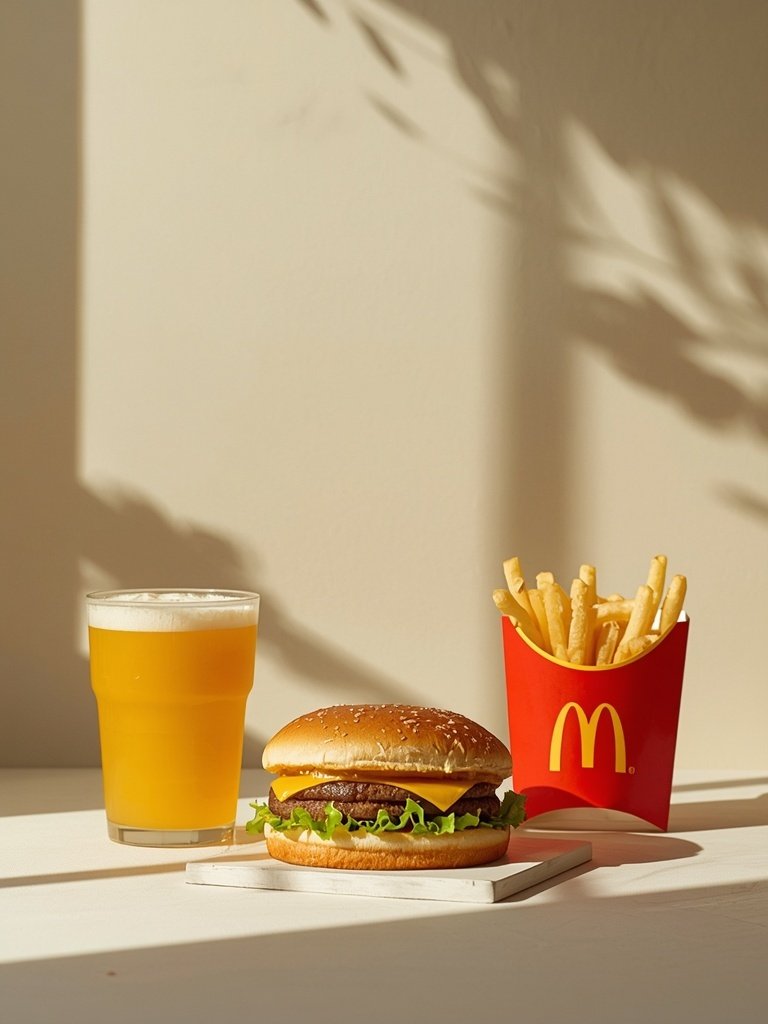
Can you lose weight eating only fast food? Analysis of the McDonald's diet experiment

Can you lose weight eating only fast food? Analysis of the McDonald's diet experiment

Does fat loss depend solely on the energy balance equation, or does food quality dictate long-term health? An analysis of John Cisna's famous experiment—who ate exclusively at McDonald's for 180 days and lost 25 kilograms—illuminates the thermodynamic paradox of energy balance and the physiological limitations of the IIFYM framework.

Share