Laghupanchamula in modern phytotherapy: composition of five smaller roots, phytochemicals, anti-inflammatory and nephroprotective action
Table of Contents 4
Medical & Editorial Disclaimer (§3 Terms): This article is for informational and educational purposes only, does not constitute medical advice, diagnosis, or treatment, and is used at your own risk. Consult a qualified physician for medical conditions.
As explored across the clinical chapters, the pharmacognostic profile of these roots yields furostanol steroidal saponins such as protodioscin, solasodine steroid alkaloids, bioflavonoids, and pterocarpans. These bioactive constituents help modulate inflammatory signaling by downregulating inducible cyclooxygenase and nitric oxide synthase pathways while tempering downstream cytokine transcription and peripheral nociception. Furthermore, the formulation contributes to nephroprotection through a gentle, potassium-sparing aquaretic action, helps retard the nucleation and aggregation of calcium oxalate crystals within renal tubular fluid, and provides an antioxidant shield for tubular epithelial membranes.
In practical application, Laghupanchamula is traditionally prepared as a warm aqueous decoction (Kwatha) simmered from coarsely powdered roots, though modern standardized solid extracts offer a convenient alternative for daily regimens. Incorporating such botanical preparations alongside adequate hydration and a balanced diet may help support lumbar comfort and urinary tract health. Because concentrated herbal extracts interact with physiological pathways, they should be viewed as supportive lifestyle measures rather than medical treatments, and individuals should consult a qualified healthcare professional before integrating them into their routine.
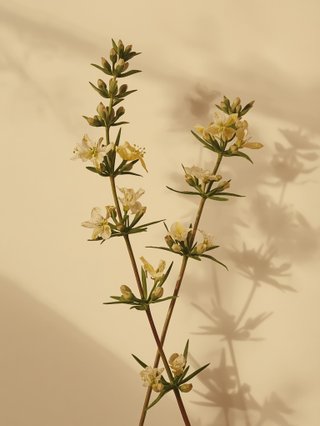
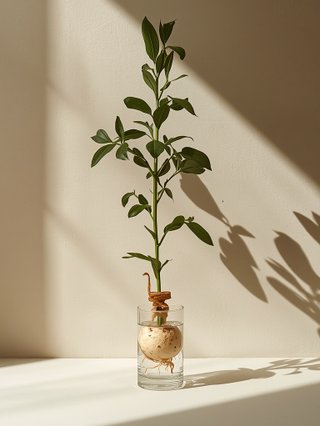
Laghupanchamula ('the group of five lesser roots') is a revered classical polyherbal formulation of Ayurvedic pharmacology, establishing one of the two foundational halves of the famed Dashamula compound. It synergizes the subterranean roots of five medicinal herbs: Kantakari (Solanum virginianum), Brihati (Solanum indicum), Gokshura (Tribulus terrestris), Shalaparni (Desmodium gangeticum), and Prishniparni (Uraria picta). Contemporary pharmacognosy reveals that this herbal matrix yields steroidal saponins, flavonoids, and pterocarpans exhibiting potent analgesic, anti-inflammatory, and nephroprotective bioactivity. This clinical monograph examines botanical taxonomy, molecular pathways, and contemporary therapeutic uses.
Botanical Taxonomy and Pharmacognosy of the Five Component Roots
Taxonomic profile and phytochemical markers of the five component botanical species:
- Gokshura (Tribulus terrestris): Enriched in furostanol steroidal saponins (notably protodioscin), conferring diuretic, anti-urolithiatic, and endothelial vasorelaxant properties.
- Kantakari (Solanum virginianum) & Brihati (Solanum indicum): Yield solasodine steroid alkaloids and bioflavonoids exhibiting robust bronchodilatory and peripheral analgesic actions.
- Shalaparni (Desmodium gangeticum): Supplies pterocarpans, isoflavonoids, and gangetin endowed with cardioprotective and anti-inflammatory attributes.
- Prishniparni (Uraria picta): Rich in triterpenoids and polyphenols celebrated for accelerating osteogenesis, collagen maturation, and tissue repair.
Molecular Cascades: COX-2 Inhibition and Central-Peripheral Analgesia
Pharmacological mechanisms mediating antinociception and anti-inflammatory activity:
- Cyclooxygenase Suppression: Bioactive fractions selectively downregulate cyclooxygenase-2 (COX-2) and inducible nitric oxide synthase (iNOS) enzyme expression.
- NF-κB Pathway Modulation: Blunts phosphorylation of the IκB kinase cascade, halting downstream transcription of pro-inflammatory cytokines TNF-alpha and interleukin-1beta.
- Peripheral Nociception Blunting: Reduces bradykinin- and prostaglandin-mediated nociceptive receptor firing, significantly reducing joint swelling in inflammatory arthritis models.
Nephroprotective Efficacy: Diuresis, Anti-Urolithiasis, and Tubular Defense
Renal and urological therapeutic virtues substantiated by modern assays:
- Potassium-Sparing Aquaretic Effect: Stimulates gentle urinary volume clearance without electrolyte depletion, preserving glomerular filtration dynamics.
- Inhibition of Calcium Oxalate Crystallization: Directly retards the nucleation, growth, and aggregation of calcium oxalate calculi in renal tubular fluid.
- Tubular Antioxidant Shield: Protects tubular epithelial membranes against ischemia-reperfusion injury and toxic insults by bolstering superoxide dismutase (SOD) and catalase stores.
Modern Clinical Integration, Traditional Decocta (Kwatha), and Safety
Phytomedicinal preparations and toxicological safety parameters:
- Traditional Kwatha Decoction Protocol: 10 g to 20 g of dried coarsely powdered root compound is simmered in water down to one-fourth initial volume and consumed warm.
- Standardized Solid Extracts: Modern encapsulated extracts (500 mg to 1000 mg daily) offer targeted compliance for inflammatory musculoskeletal and lumbar conditions.
- Toxicological Profile: Demonstrates broad therapeutic safety with zero acute hepatorenal toxicity in animal toxicology assays; usage during pregnancy should remain strictly medically supervised.
Want to apply these guidelines in your daily diet?
Our smart diet generator creates a tailored meal plan in 3 minutes based on the recommendations in this article.
Tags

Oliwia Kaczmarek
• 25.11.2026Diets Premium Expert
Diets Premium team expert. Specializes in nutrition plans, strength sports, and training plans.