Celebrating pasta: the role of pasta products in the nutrition of active athletes

Emilia Szymańska
2026-05-28
3 min. read
1 / 1
76
views
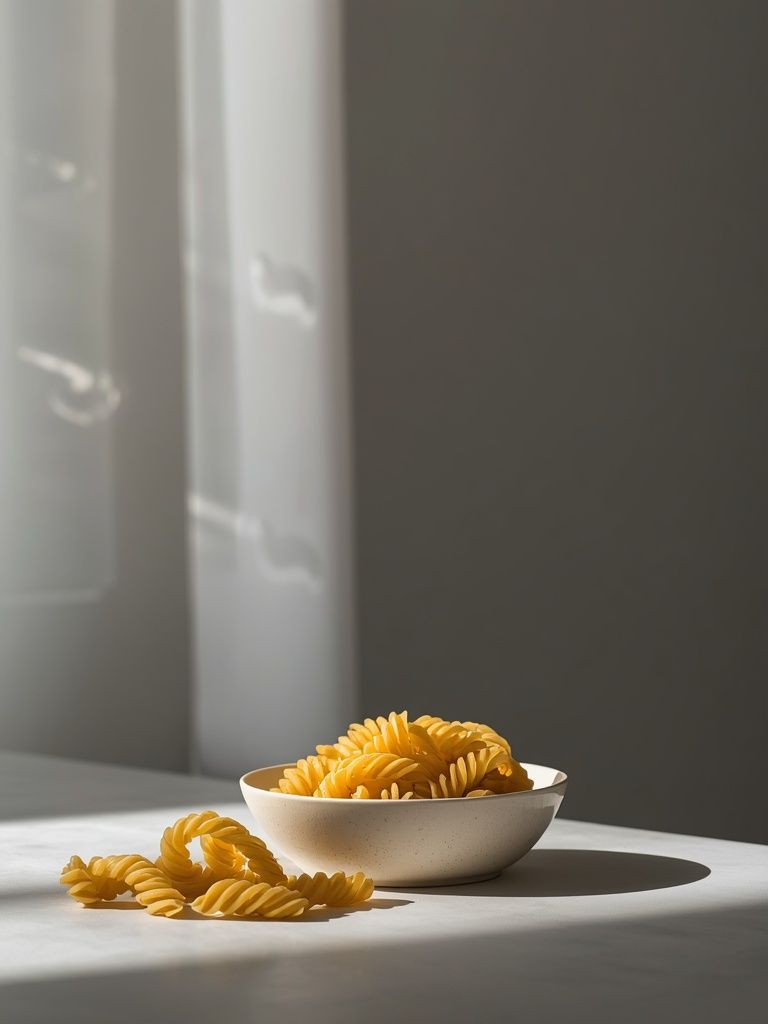
Individuals engaged in regular physical activity, particularly athletes, should prioritize the intake of both rapidly digestible and complex carbohydrates, for which a wide array of pasta products serves as an excellent and widely accessible source. The extensive range of flours employed in their production—spanning conventional wheat-based options to alternative varieties such as buckwheat, corn, or rice—facilitates precise tailoring of pasta types to the specific demands of training intensity, recovery phases, or personal taste preferences. Furthermore, pasta represents a valuable substitute for traditional bakery items, offering not only a diversity of shapes and textures but also the capacity to assemble well-balanced meals that enhance both performance and the body’s regenerative processes.
The pasta and the athlete's diet
The classic Italian pasta is made up of flour, water and salt. If there is little variation among pasta, it is because of the type of pasta used, which distinguishes between cereal, wheat and whole grain pasta, or those made from e.g. rice flour or corn flour. On the market we also get egg pasta, the basic ingredient of which is enriched with eggs (they are not often made from sugar). The pasta is a mandatory item on the menu of pasta owners, since in addition to the various carbohydrate content of the fish, the pasta protein and the pasta pasta are a valuable source of energy for the organism, for example: 1) after the production of the B-group, the magnolia and the iron meal are made from the seeds of the plant.
What's the best way to cook pasta?
In order to feel full longer after eating a meal containing pasta, we should cook it al dente, which means reducing the manufacturer's time on the packaging by about 2 minutes. This way prepared pasta should not be completely soft and bend slightly when biting. This procedure will require the body to make more effort to be able to use the energy supplied with the meal, which for us means a longer feeling of satiety.