Evening Primrose Seed Oil – characteristics, GLA, health benefits, and dosage
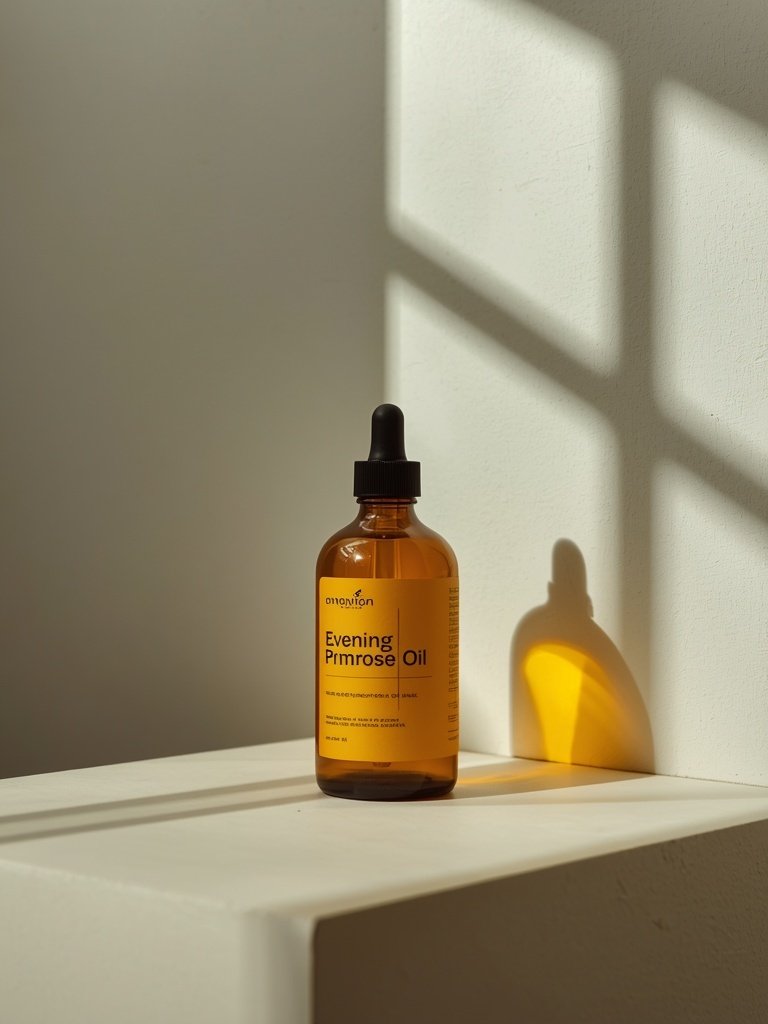
Table of Contents 4
Medical & Editorial Disclaimer (§3 Terms): This article is for informational and educational purposes only, does not constitute medical advice, diagnosis, or treatment, and is used at your own risk. Consult a qualified physician for medical conditions.
The physiological benefits of this oil are primarily driven by its high concentration of gamma-linolenic acid, which the body utilizes to produce anti-inflammatory prostaglandins. These compounds help to soothe skin irritation, improve hydration, and support joint comfort by modulating the body's natural inflammatory pathways. This process is especially beneficial for maintaining skin health and hormonal harmony, as it bypasses certain metabolic bottlenecks that can hinder the body's ability to process standard dietary fats into their most active forms.
For practical daily use, it is recommended to incorporate the oil into your routine alongside meals to ensure steady absorption and tissue saturation. Always prioritize products that have been extracted via cold mechanical pressing to protect the delicate fatty acids from heat degradation. If you are currently undergoing anticoagulant therapy or have a history of seizure disorders, it is essential to consult with a healthcare professional before beginning supplementation to ensure it is appropriate for your specific health profile.
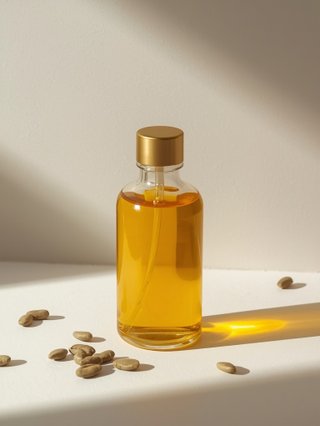
The seeds of evening primrose (Oenothera biennis) represent one of the richest botanical sources of gamma-linolenic acid (GLA)—an essential omega-6 fatty acid possessing potent anti-inflammatory properties. Cold-pressed evening primrose oil is widely utilized in dermatology, gynecology, and integrative health to reinforce epidermal barrier integrity, regulate female hormonal balance, and alleviate chronic inflammation.
Evening primrose – botanical origin and oil pressing
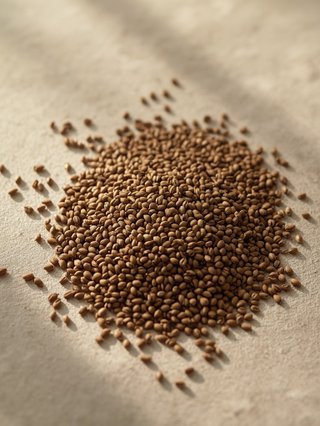
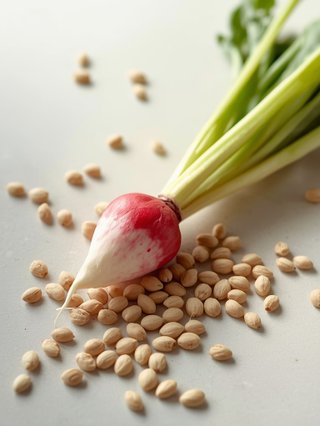
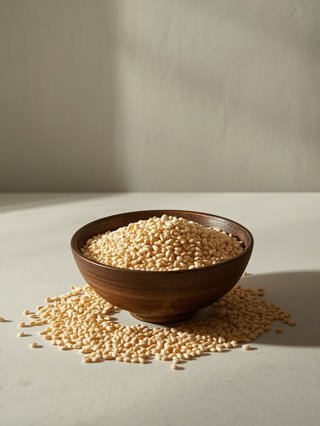
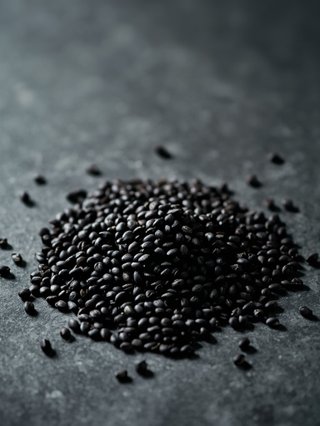
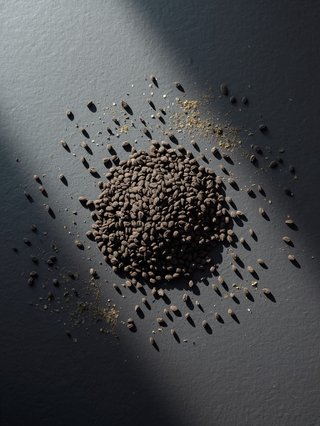
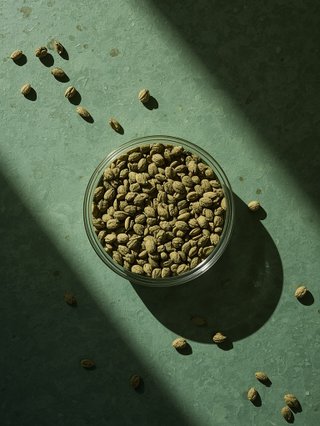
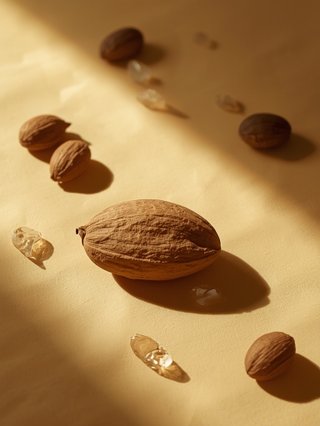
Evening primrose is distinguished by luminous yellow blossoms that unfurl at twilight. Its tiny seeds accumulate lipids of rare biological value. To protect these heat-sensitive unsaturated fatty acids, extraction must proceed strictly via cold mechanical pressing below 40°C.
Gamma-linolenic acid (GLA) and lipid profile
Evening primrose oil comprises over 70% linoleic acid (LA) and approximately 8–10% gamma-linolenic acid (GLA). In the human body, GLA is metabolized into dihomo-gamma-linolenic acid (DGLA), the direct precursor to series-1 anti-inflammatory prostaglandins (PGE1).
These prostaglandins promote vasodilation, inhibit platelet aggregation, and dampen pro-inflammatory cascades, distinguishing GLA from typical dietary omega-6 fats.
Therapeutic applications: dermatology, gynecology, and joint health
Evening primrose oil is a well-established adjuvant in managing atopic dermatitis (eczema), psoriasis, and excessive cutaneous dryness, bypassing defective delta-6-desaturase enzyme pathways to replenish the skin barrier.
In gynecology, it is widely utilized to relieve premenstrual syndrome (PMS) symptoms, cyclical mastalgia (breast tenderness), and menopausal discomfort. It also supports joint flexibility in rheumatoid conditions.
Dosage, safety profile, and consumer experience
Standard supplemental dosage of evening primrose oil ranges from 1.5 to 3 grams daily with meals, typically in encapsulated form, maintained for 8–12 weeks to achieve steady tissue GLA saturation.
The oil is safe and well tolerated. Individuals receiving anticoagulant therapy or with a history of seizure disorders should consult their physician prior to initiation.
Want to apply these guidelines in your daily diet?
Our smart diet generator creates a tailored meal plan in 3 minutes based on the recommendations in this article.
Tags

Oliwia Kaczmarek
• 23.10.2026Diets Premium Expert
Diets Premium team expert. Specializes in nutrition plans, strength sports, and training plans.