Natural oils for hair care: common marigold, black mustard, coconut, macadamia, argan – a comprehensive guide to application and nutritional properties

Table of Contents 7
Medical & Editorial Disclaimer (§3 Terms): This article is for informational and educational purposes only, does not constitute medical advice, diagnosis, or treatment, and is used at your own risk. Consult a qualified physician for medical conditions.
Different oils provide targeted physiological benefits suited to specific hair needs, such as castor oil which stimulates microcapillary circulation around hair follicles to promote growth. Black seed oil delivers powerful antioxidants that soothe the scalp and reduce diffuse shedding, while sweet almond oil improves elasticity and prevents split ends with lightweight plant lipids. Macadamia nut oil mimics natural sebum to restore deep hydration in dry or chemically treated hair, and argan oil reconstructs damaged protein bonds to eliminate frizz and impart a radiant shine.
Achieving optimal results relies on matching the chosen oil to individual hair porosity and performing regular treatments as part of a balanced routine. Emulsifying the treatment with a conditioner before washing ensures effortless removal of excess lipids without stripping natural moisture. Through mindful application and adherence to best practices, individuals can successfully nurture their hair and maintain lasting structural integrity.
This article is professional premium content (PRO) provided in its entirety.
Identifying the most suitable oil for one’s specific hair requirements may initially seem daunting, yet consistent implementation yields tangible benefits—enhanced vitality, profound hydration, and structural repair extending from the root to the tip. The outcomes of such treatment transcend mere superficial enhancement; the nourishing compounds penetrate deeply into the hair shaft, fortifying it internally and serving as a proactive shield against future damage.
Hair oiling ritual – principles and hair porosity matching
Oiling hair is a beauty treatment that involves regularly and long-term massaging natural vegetable oils into the scalp and hair. The goal is to treat and prevent problems related to hair and scalp. Oils intended for hair care should primarily be of plant origin, unrefined, and free from any synthetic additives, colorants, or fragrances. It turns out that choosing the right oil for our hair is not a simple matter. Not everyone is suitable for a particular type of hair. To choose the right oil, you need to look closely at the structure of your hair. There are three basic types of hair:
low porosity – means that the hair cuticles are tightly closed. Owners of healthy, strong, shiny, and smooth hair have this porosity. They are rarely curly; they may wave slightly. The only problem may be a tendency to frizz, and sometimes slight volume. This hair type also requires oiling to prevent its condition from worsening under the influence of various harmful factors. Recommended oils:
- coconut, palm, babassu, flaxseed, castor, sunflower, shea, cocoa, mango, cupuaçu
- medium porous – hair has increased porosity, which means that the cuticles do not adhere as tightly to the hair. They can be dry, have split ends, be dull, weakened, brittle with a tendency to fall out. Oiling medium porous hair aims mainly to regenerate and restore proper porosity, but also to protect it. Recommended oils: castor, sunflower, wheat germ, flaxseed, jojoba, pumpkin seed
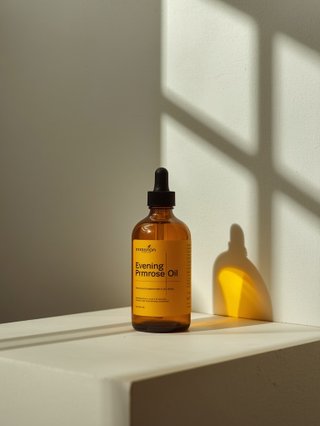
- high porosity – people with this type of hair often have overused hair treatments, such as coloring, bleaching, thermal styling, permanent waving, etc. High porosity hair feels like straw, is very dry, stiff, and coarse, absorbs water like a sponge, but still lacks shine. High porosity hair is not only hair that is severely damaged. Curly hair can also have increased porosity, as it tends to dry out. The purpose of oiling this type of hair is to rebuild hair deficiencies, nourish from within, and seal the cuticles to reduce porosity. Recommended oils: hazelnut or walnut, hemp, grape seed, almond, avocado, flaxseed, sunflower, safflower, chamomile, borage, evening primrose, pumpkin seed, black cumin, raspberry, wheat germ, corn, soy, castor. Choosing an oiling technique is a personal matter, usually done through trial and error, often with modifications to suit one's own requirements and needs. The most well-known hair oiling methods are:
Dry oiling – involves applying the appropriate amount of oil to dry hair for several to several dozen minutes before (for comprehensive nourishment) or after washing (to protect/set the effect). Oiling dry hair is considered the least effective, as moisture helps absorb oil into the hair structure. Wet oiling – involves applying the appropriate amount of oil to damp, but not wet, hair for several to a dozen minutes before or after washing. This is the most popular and favored method. Oil treatment in a bowl – involves soaking hair for several or a dozen minutes in a bowl filled with warm water and one or more vegetable oils. It is considered the most effective method, although it also requires the most time and preparation.
Castor oil for hair growth and scalp stimulation
Castor oil (Ricinus communis) is celebrated as a potent natural stimulant for sluggish hair follicles. Ricinoleic acid stimulates microcapillary circulation around the dermal papillae, enhancing the delivery of oxygen and micronutrients directly to dividing trichocytes. Due to its thick viscosity, castor oil should be diluted 1:1 or 1:2 with lighter carrier oils like sweet almond or jojoba oil. Massaged into the scalp once or twice weekly, it inhibits scalp microorganisms, clears dandruff, reduces shedding, and visibly accelerates new baby hair growth.
Black seed oil for strengthening and hair loss prevention
Cold-pressed black seed oil (Nigella sativa) contains thymoquinone, a powerful antioxidant and anti-inflammatory agent. Clinical dermatological trials demonstrate that topical black seed formulations significantly reduce telogen effluvium (diffuse shedding) and calm inflammatory scalp dermatoses. Rich in linoleic acid, thymoquinone, and zinc, it strengthens the hair bulb anchorage, calms itchy scalps, and leaves hair strands silky, glossy, and remarkably resilient against environmental breakage.
Sweet almond oil for elasticity and split end prevention
Sweet almond oil (Prunus amygdalus dulcis) is exceptionally gentle, lightweight, and versatile. Dominated by oleic and linoleic acids along with vitamins A, B, and E, it absorbs effortlessly without weighing fine hair down. It creates a smooth lipid protective shield across cuticle scales, preventing split ends, reducing friction during brushing, and protecting strands from UV exposure and blow-drying heat.
Macadamia oil for deep hydration and thermal protection
Macadamia nut oil is uniquely rich in palmitoleic acid (omega-7, up to 20%), a monounsaturated fatty acid that closely mimics human scalp sebum. This remarkable biochemical affinity allows macadamia oil to penetrate rapidly into the inner cortex of dry, chemically treated hair. It restores deep hydration, revives elasticity in color-treated hair, and acts as a superb pre-styling heat protectant.
Argan oil – liquid gold for repairing brittle hair
Moroccan argan oil (Argania spinosa), often termed 'liquid gold', is rich in squalene, tocopherols, and polyphenols. It reconstructs damaged protein bonds in brittle hair shafts, locks in vital moisture, and eliminates frizz under humid conditions. Distributing 2 to 3 drops through damp lengths imparts radiant, glass-like shine and velvety softness without greasiness.
Observable results and best practices for oil treatments
With regular hair oiling performed 1 to 2 times weekly over 4 to 8 weeks, significant improvements manifest in hair tensile strength, elasticity, and scalp comfort. Shedding diminishes, split ends decrease, and hair achieves lush density and shine. To wash out heavy oils effortlessly, apply a silicone-free hair conditioner to dry, oiled hair to emulsify the lipids before rinsing thoroughly with mild shampoo and lukewarm water.
Want to apply these guidelines in your daily diet?
Our smart diet generator creates a tailored meal plan in 3 minutes based on the recommendations in this article.
Tags

Kacper Nowak
• 25.11.2026Diets Premium Expert
Diets Premium team expert. Specializes in nutrition plans, strength sports, and training plans.