Pumpkin seed oil – properties, uses, recommended doses, and its role in combating body parasites
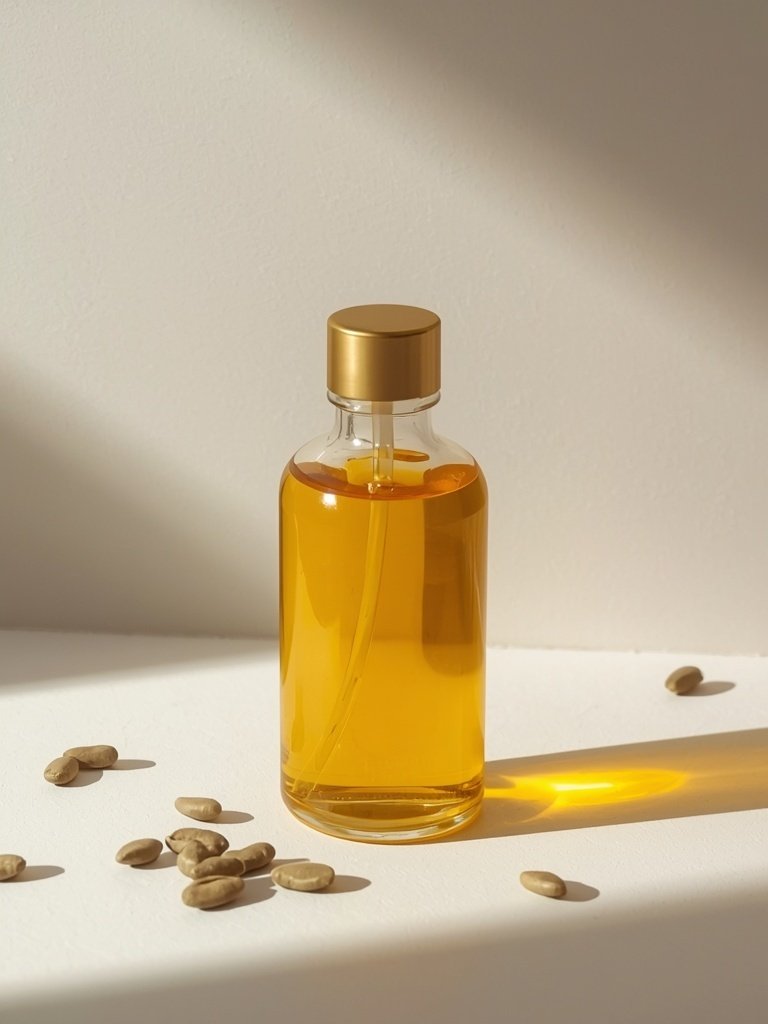
Table of Contents 5
Medical & Editorial Disclaimer (§3 Terms): This article is for informational and educational purposes only, does not constitute medical advice, diagnosis, or treatment, and is used at your own risk. Consult a qualified physician for medical conditions.
The therapeutic efficacy of the oil is driven by its rich profile of phytosterols and the unique compound cucurbitacin. These bioactive elements work by modulating hormonal pathways related to prostate tissue health and bladder function, helping to alleviate discomfort and improve urinary flow. Furthermore, its anthelmintic properties allow for a natural approach to digestive hygiene, as specific triterpenoids disrupt the neuromotor signaling of intestinal parasites, facilitating their removal without systemic toxicity to the human body.
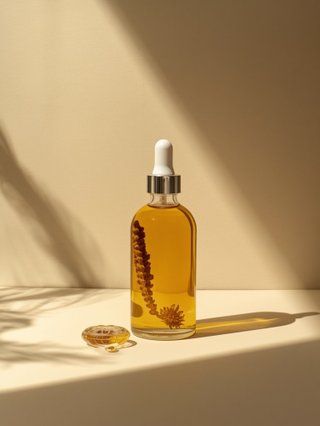
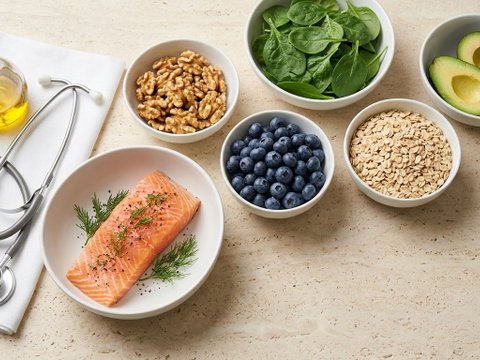
Practical application involves incorporating cold-pressed pumpkin seed oil into daily meals as a raw finishing oil to preserve its heat-sensitive antioxidants and essential fatty acids. Drizzling it over vegetables, soups, or salads enhances both the flavor and the nutritional value of the diet. For targeted support, consistent intake before meals is often suggested, emphasizing its role as a supportive dietary supplement within a holistic approach to health and preventative care.
This article is professional premium content (PRO) provided in its entirety.
The pumpkin, with a cultivation history spanning 7000 years in what is now South America, served as a dietary cornerstone for pre-Columbian civilizations, most notably the Inca. Owing to its symbolic association with fertility and the prolongation of life, it was historically revered as "green gold" or an "elixir of immortality." In contemporary times, it remains an integral component of traditional medicinal systems across the globe, including Europe, Asia (particularly China), and the Indian subcontinent. Both pumpkin seeds and the oil extracted from them are distinguished by an exceptionally high concentration of bioactive nutrients, rendering them a valuable dietary supplement with a broad spectrum of health-promoting effects.
Pumpkin seed oil – historical background and production
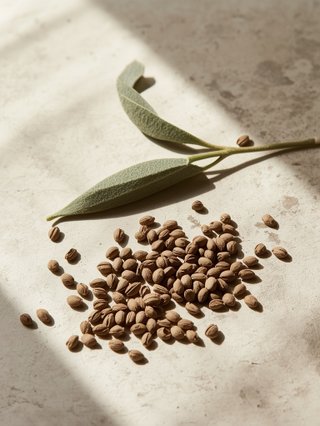
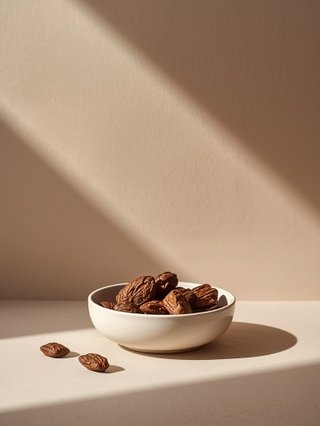
Pumpkin seeds (Cucurbitae semen), originating from native cultivation in the Americas over 7,000 years ago, have long served as essential culinary staples and traditional remedies. Indigenous peoples utilized the seeds for urinary complaints and parasitic infections. Today, cold-pressed pumpkin seed oil, particularly from the Styrian oil pumpkin (Cucurbita pepo var. styriaca), is renowned worldwide for its deep dichromatic dark-green and reddish hue, distinctive nutty aroma, and superior oxidative stability when processed without excessive thermal degradation.
Nutritional profile and bioactive properties of pumpkin seed oil
It has been shown that pumpkin seed oil contains a wealth of active compounds that have a beneficial effect on the digestive and urinary systems, among others. Triterpenoid compounds called cucurbitacins exhibit antiparasitic, anticancer, anti-inflammatory, and anti-ulcer effects [4]. Pumpkin seeds consist of about 30 – 40% oil, which is rich in phytosterols and unsaturated fatty acids. Among the fatty acids contained in pumpkin seed oil, oleic acid and linoleic acid are the most abundant. Additionally, it contains smaller amounts of palmitic and stearic acid. Due to its high zinc content, pumpkin seed oil can be used in the prevention of inflammation and prostate enlargement. Furthermore, it contains vitamins: B1, B2, B3, A, C, D, E, beta-carotene. Moreover, it is a source of selenium, potassium, phytosterols, squalene, phytosterols, and citrulline. Thanks to its high antioxidant content, it exhibits anti-aging effects. The unsaturated fatty acids in pumpkin seeds have a beneficial effect on lowering blood cholesterol, which reduces the risk of atherosclerosis [1, 2]. Additionally, the antioxidants in pumpkin seed oil play a significant role in reducing DNA damage and lipid peroxidation and maintaining immune function. A study by Kim et al. confirmed that each portion of pumpkin contained a significant amount of antioxidants, tocopherols, and carotenoids [5]. It was also noted that diets rich in pumpkin seeds were associated with a reduced risk of developing stomach, lung, and colon cancer [6, 7]. In a study on rat models, the neuroprotective effect of pumpkin seeds was also shown. Extract from common pumpkin influenced the reduction of lipid peroxidation [8]. In another study, it was found that extract from pumpkin seeds had an antihyperglycemic effect in the treatment of type 2 diabetes (also in a rat model) [9]. Consuming pumpkin seeds affects reproductive processes. Zinc in pumpkin seed oil influences sperm protection against free radicals, additionally stabilizing the DNA of sperm nuclei, which increases their activity, affecting fertilization [10]. Beta-sitosterol in pumpkin seed oil also exhibits a wide range of biological effects. It influences the lowering of total cholesterol in blood serum and may prevent certain cancers. It is believed to be responsible for treating benign prostatic hyperplasia [5]. Additionally, the L-Tryptophan contained in pumpkin seeds affects proper mental condition and concentration [2].
Therapeutic applications: prostate, bladder, and cardiovascular support
In phytotherapy, pumpkin seed oil holds an established evidence-based role in managing benign prostatic hyperplasia (BPH stages I and II) and hyperactive bladder disorders. The delta-7-phytosterols and fatty acids inhibit 5-alpha-reductase, attenuating the conversion of testosterone into dihydrotestosterone (DHT) within prostate tissue. This action reduces urinary frequency, improves maximum urinary flow rates, and eases voiding discomfort. Concurrently, its healthy lipid composition improves vascular endothelial elasticity, optimizes serum lipid profiles, and supports dermatological healing in inflammatory acne.
Antiparasitic efficacy: the role of cucurbitacin
A well-documented traditional and scientific property of pumpkin seed extracts is their anthelmintic (antiparasitic) activity. The primary active component responsible is cucurbitacin, a biochemical triterpenoid. Cucurbitacin selectively paralyzes intestinal helminths—including tapeworms (Taenia), pinworms (Enterobius vermicularis), and roundworms (Ascaris lumbricoides)—by disrupting their neuromotor signaling without exerting systemic neurotoxicity upon the human host. Paralyzed parasites detach from the intestinal mucosa and are subsequently eliminated via natural peristalsis.
Dosage recommendations and practical administration
Cucurbitacin and the beneficial phytosterols are well-tolerated and do not irritate the gastrointestinal lining. For general preventative health and prostate maintenance, standard intake is 1 to 2 tablespoons (15–30 ml) of cold-pressed pumpkin seed oil daily, consumed with meals or drizzled raw over salads, soups, and vegetables. In targeted antiparasitic protocols, specialists frequently recommend consuming 1 teaspoon to 1 tablespoon approximately 30 minutes before breakfast on an empty stomach for several consecutive days, followed by a light fiber-rich meal to encourage complete intestinal clearance.
Want to apply these guidelines in your daily diet?
Our smart diet generator creates a tailored meal plan in 3 minutes based on the recommendations in this article.
Tags

Laura Schneider
• 25.11.2026Diets Premium Expert
Diets Premium team expert. Specializes in nutrition plans, strength sports, and training plans.