Wheat germ oil – characteristics and use in skin care and natural cosmetics
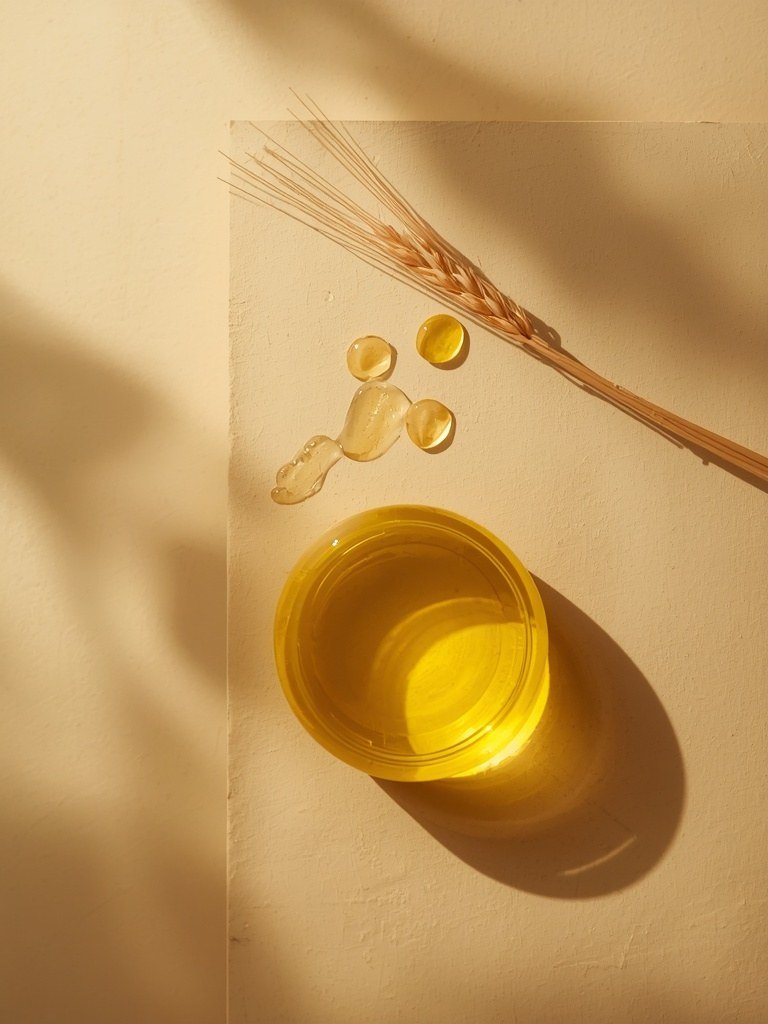
Table of Contents 4
Medical & Editorial Disclaimer (§3 Terms): This article is for informational and educational purposes only, does not constitute medical advice, diagnosis, or treatment, and is used at your own risk. Consult a qualified physician for medical conditions.
The clinical and biological efficacy of wheat germ oil is driven by its unsurpassed density of natural alpha-tocopherol, the most active form of vitamin E. This powerful antioxidant network neutralizes free radicals, safeguards cellular membranes from lipid peroxidation, and reinforces the skin barrier. Combined with octacosanol and essential polyunsaturated fatty acids such as linoleic acid, the oil stimulates collagen and elastin pathways, helping to soften scars and restore elasticity to mature or dehydrated skin. For hair and scalp health, its lipid matrix acts as a natural ceramide precursor, sealing cuticles and promoting follicular microcirculation.
To maximize its nutritional benefits, unrefined wheat germ oil should strictly be used cold, drizzled over prepared dishes, salads, or grains to protect its heat-sensitive vitamins. Incorporated into daily personal care routines, it serves as an exceptional topical treatment for dry cuticles, compromised skin barriers, and heat-damaged hair, offering deep hydration and structural resilience without relying on synthetic additives.
Amid the growing interest in natural skincare ingredients, the market is flooded with new plant-based oils touted for their exceptional properties, often accompanied by premium pricing and promises of transformative results. However, not all live up to consumer expectations. A notable exception is wheat germ oil—a product with well-documented health benefits and a rich nutritional profile. Continue reading to explore the details of this unique raw material and its potential applications in cosmetology and dermatological care.
Wheat germ oil – extraction methods and nutrient density
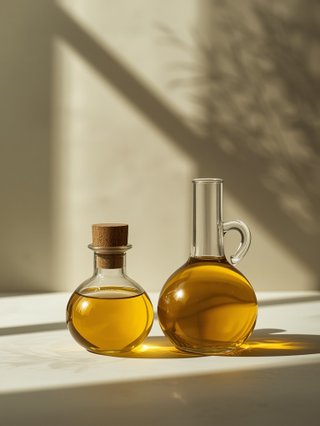
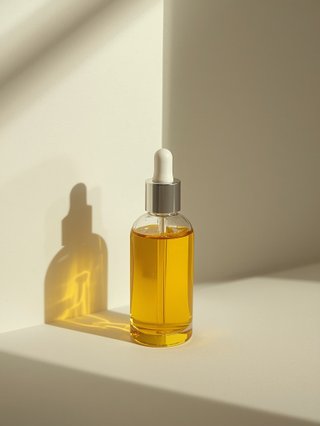
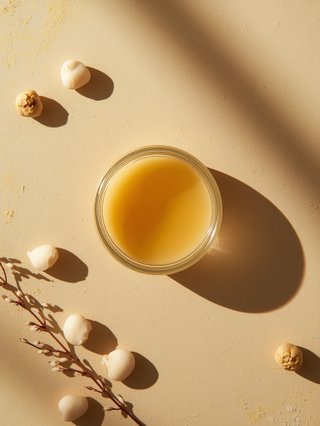
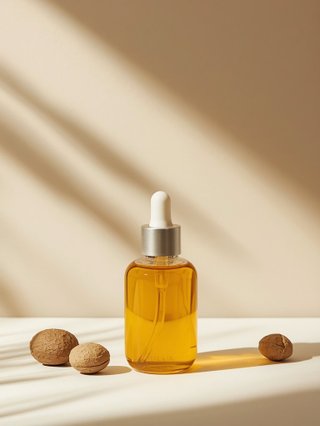
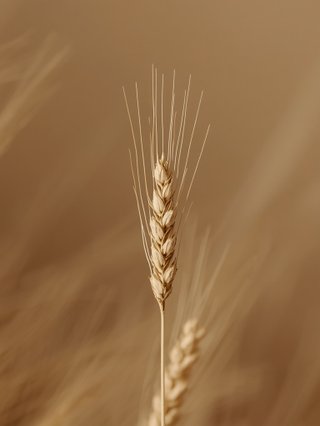
Wheat germ oil is cold-pressed or supercritical CO2-extracted from the embryonal heart of the wheat grain (Triticum aestivum). Although the germ constitutes only about 2.5% to 3% of the total kernel weight, it houses the highest concentration of vital nutrients and biological lipids in the plant. The oil is rich, viscous, and exhibits a deep golden-amber color with a warm cereal fragrance. It serves as an extraordinary natural source of polyunsaturated fatty acids—particularly linoleic acid (55–60%) and alpha-linolenic acid (7–10%)—along with phytosterols and vital trace minerals.
Bioactive mechanisms: natural vitamin E and octacosanol
Wheat germ oil is globally recognized as the richest botanical source of natural alpha-tocopherol (vitamin E), containing upwards of 2,000 to 2,500 mg/kg. This exceptional antioxidant concentration protects biological cell membranes from reactive oxidative species, prevents lipid peroxidation, and aids in vascular endothelial protection. Furthermore, it contains octacosanol, a long-chain aliphatic alcohol shown to enhance cellular oxygen utilization, optimize physical endurance, and modulate endogenous cholesterol metabolism, rendering it valuable in both sports physiology and anti-aging medicine.
Dermatological, anti-aging, and culinary applications
In dermatological skincare, wheat germ oil provides intensive nourishment for mature, dry, and scarred skin. Its potent lipid and vitamin matrix accelerates collagen and elastin synthesis, softens hypertrophic scars, and restores suppleness to dehydrated hands and cuticles. In culinary gastronomy, unrefined wheat germ oil should strictly be enjoyed cold—drizzled over morning porridge, fresh salads, or roasted vegetables—to preserve its heat-sensitive tocopherols and essential fatty acids.
Wheat germ oil for hair repair and scalp vitality
Due to its high ceramide-precursor lipids and moisturizing properties, wheat germ oil is an outstanding treatment for chemically damaged, bleached, or heat-stressed hair. It seals the hair cuticle, repairs brittle split ends, and locks essential hydration deep within the hair cortex. Massaged gently into the scalp, it stimulates microcirculation to the hair follicles, relieving dry flaking and supporting robust hair growth.
Want to apply these guidelines in your daily diet?
Our smart diet generator creates a tailored meal plan in 3 minutes based on the recommendations in this article.
Tags

mgr Max Müller
• 25.11.2026Diets Premium Expert
Diets Premium team expert. Specializes in nutrition plans, strength sports, and training plans.