Nettle in trichology and phytotherapy: effect on hair growth, iron metabolism, and anemia prevention
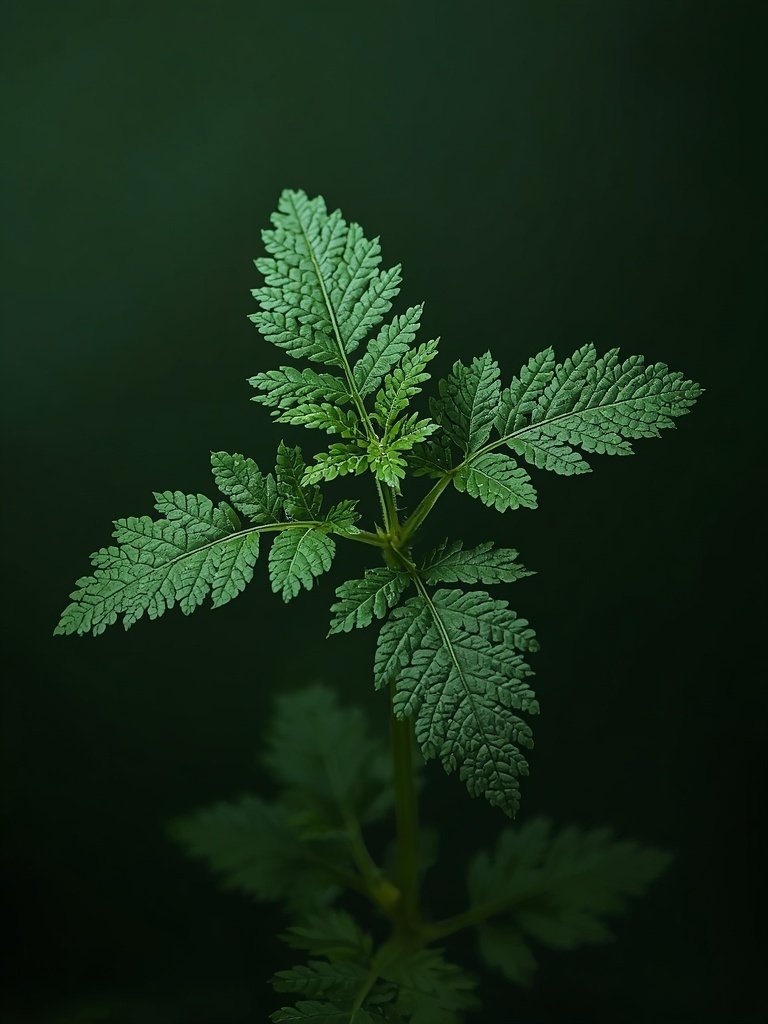
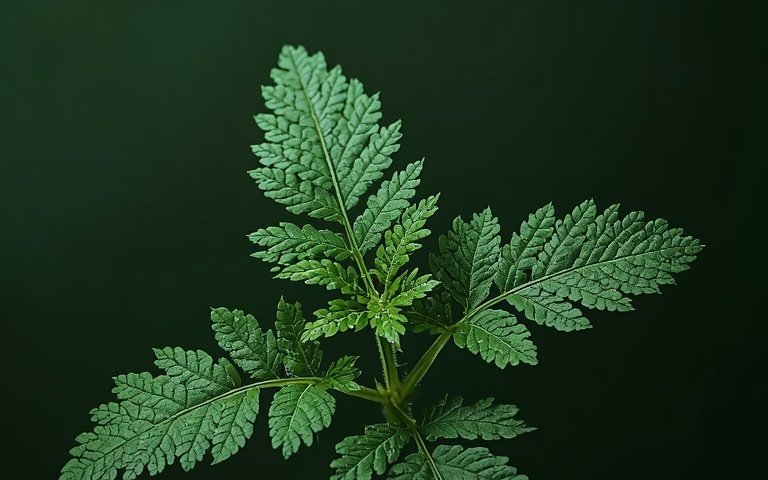
Table of Contents 9
Medical & Editorial Disclaimer (§3 Terms): This article is for informational and educational purposes only, does not constitute medical advice, diagnosis, or treatment, and is used at your own risk. Consult a qualified physician for medical conditions.
From a physiological perspective, the plant is rich in bioavailable silica, sulfur, and essential minerals that contribute to the structural integrity of hair follicles. By influencing specific enzymatic pathways, nettle extracts may help mitigate the miniaturization of hair, while its iron content and associated vitamins provide nutritional support for blood health and ferritin levels. These mechanisms highlight the plant's dual utility in both cosmetic scalp conditioning and internal metabolic support.
Practical application of nettle includes the use of herbal infusions for scalp rinses, which can help regulate sebum production and improve hair texture, as well as incorporating the herb into the diet to support overall metabolic function. While nettle is a versatile tool for wellness, it is important to approach its use with care, particularly regarding individual health conditions or specific life stages. Consulting with a healthcare provider ensures that nettle preparations are integrated safely and effectively into one's daily regimen.
This article is professional premium content (PRO) provided in its entirety.
Stinging nettle (Urtica dioica) represents a cornerstone botanical in contemporary trichology and herbal medicine. Highly concentrated in bioavailable silica, elemental sulfur, zinc, B-complex vitamins, ascorbic acid, chlorophyll, and non-heme iron, nettle exerts systemic and localized benefits. How do nettle extracts inhibit 5-alpha-reductase to counter DHT-induced hair follicle miniaturization, how do they facilitate ferritin replenishment in iron-deficiency anemia, and how should topical rinses and internal infusions be safely deployed?
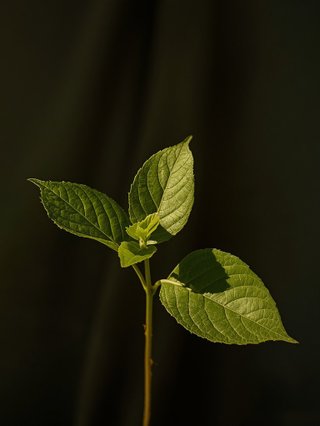
Stinging nettle (Urtica dioica): Botanical profile
Common weeds are considered weeds. Grows in the soil around houses, pastures, gardens, fields, weeds. It usually occurs in large concentrations. When in contact with the skin it gives an unpleasant feeling of cooking, all because of the irritating fluid contained in the hairs of the growing plant. It includes, among other things, anthracite, which irritates the skin and causes white, cracking spots on its surface.
Health-promoting properties of nettle
Nettle is a valuable source of biologically active substances – organic acids, carotenoids, flavonoids, tannins, sterols, mineral components, and vitamins. The particularly high content of vitamin C makes nettle-based preparations support immunity. A hot infusion is a good choice during winter and can successfully replace regular tea. Tyrosine derivatives contained in nettle exhibit antihistamine activity. It is these compounds that give the plant its anti-allergic properties. Studies have shown that nettle extract has the ability to inhibit the activity of enzymes involved in several major inflammatory reactions. Its anti-inflammatory properties may also be helpful for patients suffering from joint diseases caused by mechanical trauma. It has also been found that nettle extract alleviates rheumatic pain. In folk medicine, nettle was known for its antibacterial properties. It was used for poorly healing wounds. Modern medicine confirms the effectiveness of nettle in eradicating methicillin-resistant Staphylococcus aureus and Mycobacterium tuberculosis strains. Recent studies indicate the anti-cancer properties of nettle. An alcohol-based extract is successfully used in the treatment of prostate cancer. It is assumed that the anti-cancer effect is due to the phytoestrogens present in the root, which increase the level of active hormones in the patient's body, which in turn limits the process of prostate enlargement.
Therapeutic applications of nettle in phytotherapy
Glucose, cholesterol and lipid-lowering properties of the herb are used in the treatment of diabetes mellitus. Studies have shown that the gland increases insulin secretion may therefore be helpful in the fight against insulin resistance, i. e. pre-existing conditions. The herb is also known for its diuretic properties, which is used to treat urinary disorders associated with hyperthyroidism.
Nettle for hair growth and scalp conditioning
Hair drying can be used in cosmetology to make hair brushes. These treatments will make the hair follicles shiny, shiny and well nourished. The hair dryer also helps to combat dandruff and sebum overproduction. All you need to do is pour 23 teaspoons of leaf from the hairdryer a liter of cold water and boil it. After cooling, we pour it out and rinse it freshly to wash the hair. This cosmetic treatment is best for dark hair when the hair can change its color slightly.
Nettle in metabolic support and weight management
The basis of a slim figure is the proper metabolism of matter, which can be regulated by proper diet and physical activity. The basis is the consumption of a large amount of vegetables and fruits, which are a valuable source of fiber. The regulation of intestinal passage is also favorably influenced by herbs.
Nettle in the prevention and dietary support of anemia
Anemia is also known as anemia and can be caused by a lack of iron, vitamin B12, or folic acid. Since the leaves, roots, and seeds contain much of the essential ingredient in the blood cell formation process, it is also used to alleviate the symptoms of anemia.
Safety of nettle during pregnancy and lactation
Pregnancy is a period of increased demand for energy, vitamins and minerals by a woman's body, which is not lacking in herbal products. Herbal extract may be used during pregnancy because of its iron content (used in blood production), magnesium (responsible for nerve-muscle conduction) and calcium (necessary for bone-building). However, some manufacturers discourage the use of herbal teas by pregnant women. In such a situation, it is advisable to consult your doctor beforehand.
Safety profile and tolerability of nettle preparations
Clinical trials demonstrate an exceptional safety profile for standardized stinging nettle preparations, with good tolerability confirmed across study periods extending up to two years. Mild side effects are infrequent, primarily limited to transient gastrointestinal discomfort or rare mild allergic skin reactions. To ensure therapeutic safety, consumers should preferentially select certified herbal products free from heavy metal contamination and adhere strictly to professional dosing parameters.
Contraindications and clinical precautions
Before using any medicinal product, you should read carefully the leaflet on which the manufacturers list the contraindications. The most common are severe kidney or heart disease, allergies to the leaves of the scrotum, hypersensitivity to any of the ingredients of the product, pregnancy and lactation, age (children up to 12 years).
Want to apply these guidelines in your daily diet?
Our smart diet generator creates a tailored meal plan in 3 minutes based on the recommendations in this article.

mgr Mateusz Pawlak
• 25.11.2026Diets Premium Expert
Diets Premium team expert. Specializes in nutrition plans, strength sports, and training plans.