Hibiscus and its role in disease prevention


Table of Contents 3
Medical & Editorial Disclaimer (§3 Terms): This article is for informational and educational purposes only, does not constitute medical advice, diagnosis, or treatment, and is used at your own risk. Consult a qualified physician for medical conditions.
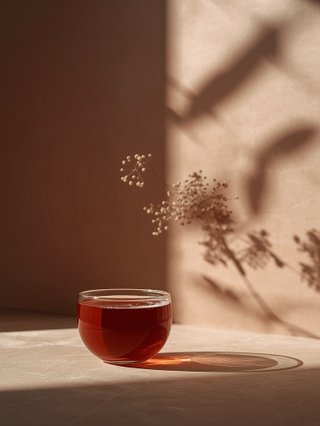
The nutritional and therapeutic value of dried hibiscus calyces lies in their dense concentration of bioactive phytocompounds. The characteristic red hue stems from anthocyanins and polyphenols, which exert robust antioxidant effects to protect tissues from oxidative damage. Furthermore, the plant is naturally abundant in ascorbic acid, organic acids like malic and citric acid, as well as essential trace minerals such as iron and manganese. While these constituents support cardiovascular and immune health, individuals who are pregnant are advised to consult healthcare professionals, as certain compounds may theoretically exert emmenagogue properties.
Incorporating hibiscus tea into a balanced lifestyle provides a simple, refreshing method to elevate daily antioxidant intake. The dried calyces can be brewed hot during cooler days or chilled for a hydrating beverage in warmer weather, serving as a versatile option either on its own or within multi-herb blends. Enjoying this tart herbal infusion encourages consistent hydration while supporting the body's natural defense systems through wholesome, plant-based nutrition.
Sudanese roselle (*Hibiscus sabdariffa*) – cultivation and chromatic variations
Health-promoting properties and physiological mechanisms of hibiscus: A therapeutic and functional perspective
Evaluating the safety of hibiscus consumption during pregnancy: Current evidence and potential fetal development risks
Want to apply these guidelines in your daily diet?
Our smart diet generator creates a tailored meal plan in 3 minutes based on the recommendations in this article.
Tags

Literatura: Karaś M., Kowalczyk D., Jakubczyk A., Zielińska E., 2015. Porównanie właściwości przeciwrodnikowych wybranych herbat owocowych [w:] Trendy w żywieniu człowieka , red. Karwowska M., Gustaw W. Wydawnictwo Naukowe PTTŻ, Kraków Sperkowska B., Bazylak G., 2012. Oznaczanie zawartości mikroelementów w wieloskładnikowych herbatkach ziołowych . Bromat. Chem. Toksykol., XLV, 3, s. 241 – 247 Szlachta M., Małecka M., 2008. Właściwości przeciwutleniające herbatek owocowych. Żywność. Nauka. Technologia. Jakość, 1, 56, s. 92 – 102
Diets Premium Expert
Diets Premium team expert. Specializes in nutrition plans, strength sports, and training plans.