Coltsfoot (Tussilago farfara) – traditional properties and uses of leaves and syrup


Table of Contents 4
Medical & Editorial Disclaimer (§3 Terms): This article is for informational and educational purposes only, does not constitute medical advice, diagnosis, or treatment, and is used at your own risk. Consult a qualified physician for medical conditions.
From a physiological perspective, the plant owes its soothing capacity to a dense matrix of bioactive compounds, including botanical mucilages, condensed tannins, flavonoids such as quercetin and kaempferol, triterpenes, zinc, and phenolic acids. When consumed, the hydrophilic mucilage coats the mucosal epithelium of the pharynx, larynx, and bronchial passages with a gentle hydrocolloid barrier that helps calm dry coughing reflexes and shields sensitive tissue from environmental irritants. Concurrently, bioactive flavonoids and organic acids help support natural ciliary motion along the respiratory tract, assisting the body in clearing accumulated secretions.
To translate this botanical knowledge into safe daily practice, the guide outlines traditional preparation methods for dried-leaf infusions, soothing oral gargles, topical compresses for minor skin irritations, and homemade syrups crafted with raw honey or cane sugar. Crucially, the text emphasizes strict safety protocols regarding pyrrolizidine alkaloids naturally present in wild coltsfoot, which can pose hepatotoxic risks under prolonged exposure. Readers are advised to keep usage strictly short-term within annual cumulative limits recommended by European regulatory authorities and to observe all clinical contraindications.
Coltsfoot (Tussilago farfara) is one of the most venerated botanical remedies in respiratory phytotherapy. The mucilage compounds, tannins, and flavonoids concentrated within its leaves and blossoms exert powerful demulcent, antitussive, and anti-inflammatory properties. In this comprehensive monograph, we explore the physiological effects of coltsfoot, preparation methods for medicinal syrups and infusions, and essential safety guidelines regarding pyrrolizidine alkaloids.
Coltsfoot: Botanical profile and herbal raw material
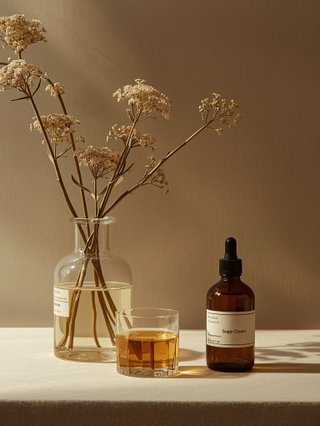
Coltsfoot is a perennial herbaceous plant belonging to the Asteraceae family, uniquely recognizable by its golden blossoms appearing in early spring before the foliage emerges. The primary medicinal raw materials are the mature leaves (Folium Farfarae) harvested in late spring, alongside the floral heads (Flos Farfarae). The plant is exceptionally rich in natural mucilages (up to 8-10%), condensed tannins, flavonoids (quercetin, kaempferol), triterpenes, zinc, and phenolic acids. This distinctive synergistic phytochemical profile has established coltsfoot as a venerable classical remedy for respiratory ailments since antiquity.
Therapeutic mechanisms of coltsfoot in respiratory conditions
The cornerstone therapeutic effect of coltsfoot preparations is mucosal demulcent protection across the pharynx, larynx, and tracheobronchial tree. Its botanical mucilage coats inflamed mucosal epithelial cells with an imperceptible hydrocolloid shield, curbing uncoordinated dry coughing reflexes and sheltering tissues against irritants. Simultaneously, bioactive flavonoids and organic acids stimulate ciliary beat frequency within the respiratory tract, facilitating secretion clearance and expectoration. Furthermore, mild astringent and antibacterial properties alleviate vocal strain, hoarseness, and bronchitis in public speakers and vocalists.
Coltsfoot leaves: Preparation of herbal infusions and poultices
Dried coltsfoot leaves represent the most widely used preparation format. A medicinal herbal infusion is crafted by infusing 1-2 tablespoons of dried cut leaf with a cup of boiling water, steeping covered for 10-15 minutes; sipping slowly 2 to 3 times daily provides rapid soothing relief. Coltsfoot tea also performs admirably as an external therapeutic wash or gargle for oral and pharyngeal inflammations, while topical compresses soothe minor cutaneous burns, abrasions, and chronic ulcers via tannin-mediated astringency.
Coltsfoot syrup, dosage protocols, and safety considerations
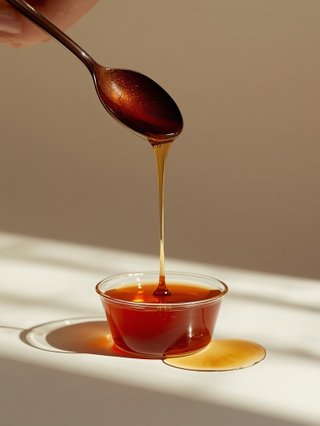
Home-prepared coltsfoot syrup, formulated with raw honey or cane syrup, represents a classical home remedy for autumnal and winter chills. However, clinical safety protocols must be observed: wild coltsfoot contains trace levels of pyrrolizidine alkaloids, which may exert hepatotoxic effects under prolonged or unrestrained exposure. The European Medicines Agency (EMA) advises that coltsfoot therapy should not exceed 4 to 6 weeks cumulatively per year. Coltsfoot preparations are strictly contraindicated during pregnancy, lactation, and in young children; consumers are encouraged to rely on certified pharmaceutical products tested for alkaloid safety.
Want to apply these guidelines in your daily diet?
Our smart diet generator creates a tailored meal plan in 3 minutes based on the recommendations in this article.
Tags

mgr Max Müller
• 25.11.2026Diets Premium Expert
Diets Premium team expert. Specializes in nutrition plans, strength sports, and training plans.