Hibiscus for weight loss


Table of Contents 3
Medical & Editorial Disclaimer (§3 Terms): This article is for informational and educational purposes only, does not constitute medical advice, diagnosis, or treatment, and is used at your own risk. Consult a qualified physician for medical conditions.
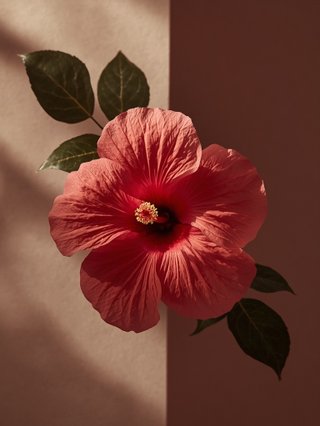
The discussion highlights prominent varieties such as the Chinese rose and Roselle, also known as red sorrel or karkadeh, which originates from tropical Africa and enjoys widespread popularity across the Arab world and India. Its crimson calyces contain a rich matrix of vitamin C, organic acids, enzymes, minerals, and protective phytochemicals including anthocyanins, polyphenols, and flavonoids. These compounds impart a distinctively tart flavor while contributing to diuretic activity that helps reduce excess water retention, alongside moderating intestinal carbohydrate and nutrient absorption. Additionally, the chapters review traditional perspectives on how Roselle supports vascular relaxation and healthy blood pressure maintenance through nitric oxide bioavailability.
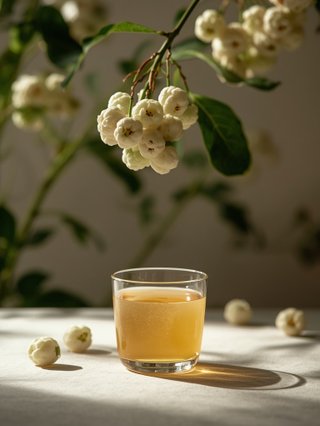
Incorporating unsweetened hibiscus infusions or herbal tonics into a daily routine offers a flavorful, invigorating way to support hydration without adding dietary energy. By serving as a natural replacement for sugary beverages and gently assisting fluid balance and digestive efficiency, hibiscus tea complements a nutrient-dense diet and regular physical activity. Mindful integration of these traditional herbal preparations allows readers to enjoy both the sensory richness and supportive wellness properties of this remarkable plant.
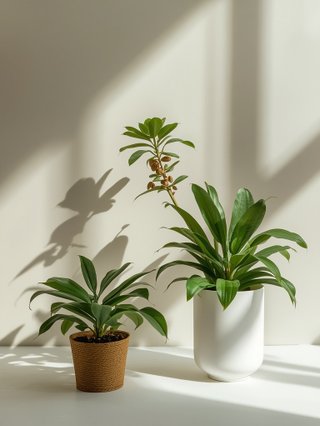
Hibiscus, what type of plant is it?
The Chinese rose variety directly from China
Roselle (Hibiscus sabdariffa)
Want to apply these guidelines in your daily diet?
Our smart diet generator creates a tailored meal plan in 3 minutes based on the recommendations in this article.

mgr David Janitzek
• 25.11.2026Diets Premium Expert
Diets Premium team expert. Specializes in nutrition plans, strength sports, and training plans.