5 min read
Is eating meat beneficial for health? What alternatives can be used?

1 photo
703
Smart Voice
AI
0:00
0:00
Listen to the article content live
Table of Contents 2
Medical & Editorial Disclaimer (§3 Terms): This article is for informational and educational purposes only, does not constitute medical advice, diagnosis, or treatment, and is used at your own risk. Consult a qualified physician for medical conditions.
Clinical E-Books & Diet Plans:
Explore E-Books & Plans →
Key Takeaways
The discourse surrounding meat consumption plays a central role in modern clinical nutrition and overall wellness. Meat derived from livestock, poultry, game, and offal such as liver or heart provides concentrated nutrients essential for foundational physiological processes. However, distinguishing between unprocessed muscle meats and highly processed items like sausages or canned products is critical when evaluating their overall impact on health. Understanding these nutritional distinctions empowers individuals to make informed choices that align with their personal health goals.
From a physiological standpoint, meat serves as a dense source of high-biological-value protein containing all essential amino acids. It also supplies highly bioavailable heme iron, zinc, selenium, and essential vitamin B-twelve, which is virtually absent in unfortified plant foods. Conversely, extensive health evaluations highlight potential risks associated with the frequent intake of heavily processed meats. To maintain optimal nutrient intake while reducing meat consumption, plant-based alternatives offer significant benefits. Legumes such as lentils, chickpeas, black beans, and green peas supply protein alongside prebiotic gut-healthy fiber and complex carbohydrates, while fermented soy products like tempeh and tofu deliver complete proteins with high bioavailability.
To apply these insights effectively, daily nutrition can be enhanced by prioritizing minimally processed foods and diversifying protein sources. Reducing processed meat products in favor of lean poultry, nutrient-rich offal, or plant-based combinations helps build a resilient dietary pattern. Combining different plant foods, such as whole grains with legumes, ensures a complete amino acid profile while supporting digestive microflora through increased fiber intake. This balanced approach promotes long-term metabolic health and sustainable dietary habits.
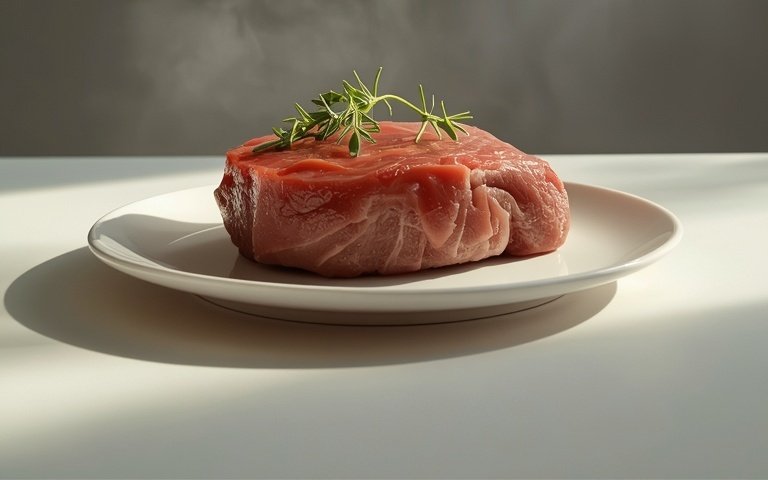
Meat is a food derived from the edible portions of animals, including offal such as the heart, liver, and stomach. Processed meat products like sausages and canned goods also fall under this category. Meat comprises muscle tissue along with associated fats and connective tissues. Common sources include livestock such as cattle, pigs, calves, sheep, poultry (turkeys, chickens, ducks), and game animals (boar, deer).
01 / 02
Is the meat healthy?
Meat represents a concentrated dietary source of complete high-biological-value protein, containing all essential amino acids in optimal physiological proportions. Furthermore, it delivers highly bioavailable heme iron, zinc, selenium, and essential vitamin B12, which is practically absent in unfortified plant foods. However, the health impact of meat depends heavily on its type and level of processing. Large-scale epidemiological evaluations, including findings from the World Health Organization (IARC), demonstrate a clear link between high consumption of ultra-processed meats (cured, smoked, containing nitrates) and an increased risk of colorectal cancer and cardiovascular pathology. Lean, unprocessed poultry and moderate portions of fresh meat can fit into a healthy diet, whereas processed deli meats should be minimized.
02 / 02
What's to replace the meat?
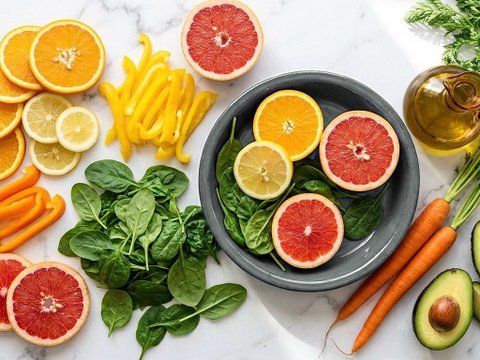
To reduce meat consumption or transition toward a plant-forward lifestyle, numerous nutrient-dense alternatives can easily cover protein and micronutrient requirements. Legumes—such as lentils, chickpeas, black beans, and green peas—deliver generous protein alongside gut-healthy prebiotic fiber and complex carbohydrates. Fermented soy products like tempeh, traditional tofu, and edamame provide complete proteins with excellent bioavailability. Combining different plant sources (such as grains with legumes) guarantees an optimal amino acid score. Eggs and fermented dairy products (kefir, Greek yogurt, quark) also provide high-quality protein, calcium, and B-vitamins without the saturated fat profile of processed red meats.
Meal Plan
Want to apply these guidelines in your daily diet?
Our smart diet generator creates a tailored meal plan in 3 minutes based on the recommendations in this article.

mgr Felix Weber
• 25.11.2026Diets Premium Expert
Diets Premium team expert. Specializes in nutrition plans, strength sports, and training plans.