Liver – daily help in the functioning of this organ


Table of Contents 15
Medical & Editorial Disclaimer (§3 Terms): This article is for informational and educational purposes only, does not constitute medical advice, diagnosis, or treatment, and is used at your own risk. Consult a qualified physician for medical conditions.
At the cellular level, hepatic tissue neutralizes exogenous and endogenous compounds through multi-phase biotransformation pathways while regulating glucose and lipid metabolism. Specific bioactive food constituents help protect hepatocytes against oxidative stress and support natural enzymatic activity. Deep-green leafy vegetables such as spinach, kale, and arugula provide chlorophyll and flavonoids, whereas cruciferous vegetables including broccoli, cauliflower, and Brussels sprouts stimulate detoxifying enzymes and assist in hormonal balance. Additionally, sulfur-rich peanuts help sustain endogenous glutathione levels, beetroot betalains support bile acid synthesis, and polyphenol-rich berries, citrus fruits, and measured intake of brewed coffee offer antioxidant protection that helps modulate cellular inflammation.
In daily practice, optimal liver maintenance relies on an unprocessed, nutrient-dense diet emphasizing whole-grain soluble fiber, unsaturated plant fats, and diverse botanical sources. Consistent physical exercise acts as an equally important pillar by improving hepatic blood perfusion, enhancing nutrient delivery to liver cells, and helping to mitigate excess intrahepatic fat accumulation. While targeted supplements such as milk thistle supplying silymarin, bioavailable turmeric extracts, and N-acetylcysteine may offer complementary antioxidant support, they should strictly serve as adjuncts to a balanced diet and active lifestyle under appropriate professional guidance.
This article is professional premium content (PRO) provided in its entirety.
The physiological and biochemical role of the liver in maintaining bodily homeostasis
Dietary Optimization for Liver Health and Regenerative Support: Evidence-Based Practical Guidelines
Foods with an exceptionally beneficial impact on liver health – which ones should be consumed regularly?
Deep-green leafy vegetable varieties, including common spinach (*Spinacia oleracea*), curly kale, cultivated arugula (*Eruca sativa*), and multiple cabbage cultivars
Cruciferous vegetables: broccoli, cauliflower, and Brussels sprouts – their role in bodily detoxification processes
Peanuts (*Arachis hypogaea*) – A sulfur-rich botanical source with hepatoprotective and antioxidant properties
Common beetroot: hepatoprotective and bile-stimulating nutritional profile
Citrus varieties—lemons, grapefruits, and oranges—as dietary sources of bioactive compounds with hepatoprotective properties
Brewed roasted coffee beans – hepatoprotective health properties
Hepatic support supplements – comprehensive reinforcement for liver maintenance and regenerative care
Milk thistle (*Silybum marianum*) – a comprehensive liver-supporting botanical with clinically documented hepatoprotective effects
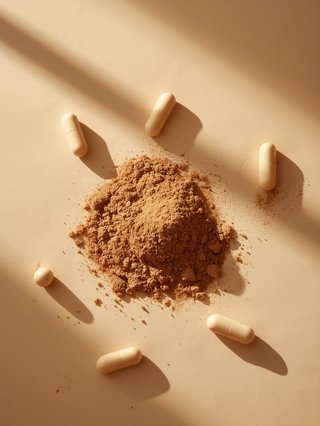
Milk thistle (*Silybum marianum*) stands as one of the most widely utilized botanical supplements for maintaining hepatic health. Its primary bioactive constituent, silymarin—a complex of flavonolignans—exhibits well-documented antioxidant and anti-inflammatory properties, thereby facilitating hepatocyte regeneration and shielding liver cells from oxidative and toxin-induced damage. Clinical guidelines typically recommend a daily intake of 140–420 milligrams of silymarin, equivalent to approximately 2–4 grams of powdered milk thistle seeds. A critical distinction must be made, however, between the preventive use of the whole plant and the targeted administration of isolated silymarin; the latter is specifically indicated for diagnosed liver dysfunctions or pathologies, as corroborated by research, including the 2023 study by Calderón Martínez et al.
Production process wherein the cumulative material cost of all inputs constitutes no more than half of the product’s ex-factory selling price
High-bioavailability bioactive turmeric extract with a maximum thickness of 10 millimeters
N-acetylcysteine (NAC) – a sulfur-containing amino acid derivative with detoxifying and antioxidant properties
The significance of consistent physical exercise for optimal hepatic function: an examination of protective mechanisms and empirical evidence
Want to apply these guidelines in your daily diet?
Our smart diet generator creates a tailored meal plan in 3 minutes based on the recommendations in this article.

mgr Felix Weber
• 25.11.2026Diets Premium Expert
Diets Premium team expert. Specializes in nutrition plans, strength sports, and training plans.