Vitamin K as a blood clotting activator


Table of Contents 4
Medical & Editorial Disclaimer (§3 Terms): This article is for informational and educational purposes only, does not constitute medical advice, diagnosis, or treatment, and is used at your own risk. Consult a qualified physician for medical conditions.
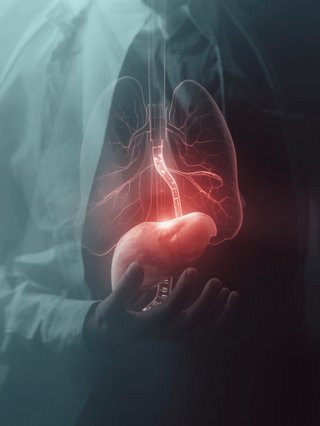
The core physiological mechanism involves the synthesis of prothrombin within the liver, a vital factor that dictates how effectively the blood can clot during injury. Beyond its role in coagulation, vitamin K is instrumental in managing calcium-binding proteins throughout the body, including the kidneys and lungs, which contributes to skeletal strength and cardiovascular health. While the body can produce some of this vitamin through beneficial intestinal bacteria, dietary intake remains a crucial pillar for maintaining adequate levels across all life stages.
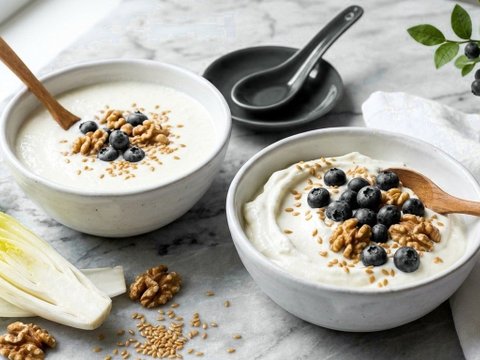
To maximize the benefits of vitamin K, it is important to consume it alongside healthy fats, which facilitate its absorption into the system. Incorporating a variety of plant-based foods such as spinach, lettuce, cucumbers, and potatoes, along with nutrient-dense options like eggs and avocado, can help maintain a balanced profile. Staying mindful of signs such as slow wound healing or persistent fatigue is key to recognizing potential deficiencies, while a diverse diet ensures the body has the necessary tools for effective blood clotting and bone mineralization.
A few words about vitamin K
Which individuals should employ vitamin K?
The qualifications
How to correctly utilize Vitamin K?
Want to apply these guidelines in your daily diet?
Our smart diet generator creates a tailored meal plan in 3 minutes based on the recommendations in this article.
Tags

Mia Hoffmann
• 25.11.2026Diets Premium Expert
Diets Premium team expert. Specializes in nutrition plans, strength sports, and training plans.