Healthy alternatives to traditional Easter dishes – lighter żurek, fit pâtés, and tradition without heaviness


Table of Contents 4
Medical & Editorial Disclaimer (§3 Terms): This article is for informational and educational purposes only, does not constitute medical advice, diagnosis, or treatment, and is used at your own risk. Consult a qualified physician for medical conditions.
The core nutritional strategy centers on replacing oxidized oils, animal lard, and refined sucrose with nutrient-dense, gut-friendly ingredients. Eggs provide high-biological-value protein, bioavailable choline, and fat-soluble vitamins, and their nutritional profile is protected when heavy commercial mayonnaise is swapped for mashed avocado, garden cress, chives, smoked river trout, or strained Greek yogurt dressings. Artisanal sour rye soup retains its beneficial probiotic lactic acid bacteria while shedding excess saturated fat by utilizing a deeply aromatic broth crafted from roasted root vegetables, wild porcini mushrooms, garlic, marjoram, and lean poultry cuts. Furthermore, plant-forward pâtés formulated from brown lentils, roasted celeriac, and walnuts supply cardioprotective dietary fiber, plant iron, and essential fatty acids, while festive spelt bundt cakes sweetened with xylitol or erythritol and oat-almond mazurkas topped with date and coconut caramel help support steadier blood sugar levels.
Applying these insights in the kitchen involves simple, practical ingredient substitutions and a reliance on traditional aromatic herbs that naturally aid digestion. Incorporating nutmeg, allspice, wild lovage, and marjoram replicates the deep, savory profile of classic holiday fare without requiring fatty pork jowl or offal. By choosing Greek yogurt emulsions for salads, embracing legume and nut-based terrines, and baking with whole ancient grains and natural sweeteners, readers can curate a vibrant Easter table that nourishes the body and leaves guests feeling energized rather than overwhelmed.
Traditional Easter festive banquets across Central and Eastern Europe are celebrated for culinary heritage, yet frequently burdened with excessive saturated animal fats, refined sodium nitrates, and heavy sugars. Creamy sour rye soups loaded with fatty sausages, mayonnaise-drenched vegetable salads, and lard-laden pâtés regularly precipitate dyspepsia, gastroesophageal reflux, and metabolic sluggishness. Preserving holiday joy does not require dietary compromise. This clinical culinary feature presents innovative, evidence-based recipe adaptations that honor festive traditions while protecting cardiovascular and digestive vitality.
Artisanal Sour Rye Soup (Żurek): Probiotic Fermentation without Saturated Animal Fat
Traditional sour rye soup (żurek) features an artisanal fermented whole rye starter teeming with beneficial lactic acid bacteria (Lactobacillus) supporting gut ecology. However, conventional preparations compromise cardiovascular health by simmering this probiotic base with fatty pork belly, ribs, and lard. An elevated culinary approach utilizes a deep aromatic broth made from roasted root vegetables, wild porcini mushrooms, garlic, and wild marjoram. Lean artisanal poultry cuts or smoked organic tofu replace fatty pork, while thick Greek yogurt replaces heavy cow's cream.
Stuffed Eggs and Festive Salads: Light Greek Yogurt Emulsions Replacing Heavy Mayonnaise
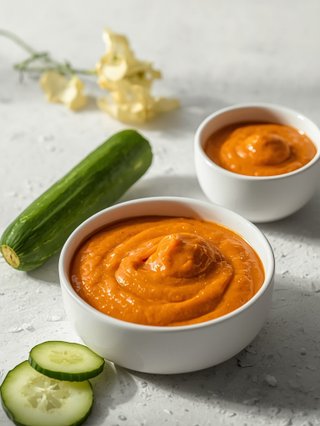
Eggs represent nutritional goldmines, supplying high-biological-value protein, bioavailable choline, and fat-soluble vitamins (A, D, E). The primary health liability during Easter lies in generous dollops of commercial mayonnaise (one tablespoon packing ~150 kcal of oxidized vegetable oils). Transform stuffed eggs by whipping yolks with ripe Hass avocado, pungent garden cress, and chives, or flaked smoked river trout. For classic vegetable diced salads, a zesty dressing of strained Greek yogurt, Dijon mustard, virgin olive oil, and lemon juice eliminates hundreds of empty calories.
Botanical Festive Pâtés: Lentil, Celeriac, and Walnut Formulations
Conventional holiday meat terrines rely heavily on pork jowl, lard, and offal, creating dense concentrations of saturated lipids and purines. A magnificent plant-forward centerpiece is an artisanal lentil, roasted celeriac, and walnut pâté. Spiced with grated nutmeg, dried marjoram, allspice, and wild lovage, cooked brown lentils and ground walnuts mimic the rich texture of traditional terrines while flooding the vasculature with cardioprotective dietary fiber, plant iron, and omega-3 alpha-linolenic acid.
Cardioprotective Festive Baking: Ancient Spelt Cakes and Oat-Crust Mazurkas
Festive confectionery can be redesigned to delight the palate without initiating severe hyperglycemic spikes. The traditional Easter bundt cake (babka) achieves light crumb structure using ancient stoneground spelt flour, organic citrus zest, and natural xylitol or erythritol in lieu of refined sucrose. Similarly, traditional decorative Polish mazurka cakes can be engineered atop a toasted whole rolled oat and almond flour crust, filled with a caramel made of Medjool dates and coconut cream, topped with raw nuts.
Want to apply these guidelines in your daily diet?
Our smart diet generator creates a tailored meal plan in 3 minutes based on the recommendations in this article.

Lena Bauer
• 25.11.2026Diets Premium Expert
Diets Premium team expert. Specializes in nutrition plans, strength sports, and training plans.