Rice drinks in the diet of future mothers, breastfeeding mothers, infants, and young children – nutritional value and safety of use analysis


Table of Contents 3
Medical & Editorial Disclaimer (§3 Terms): This article is for informational and educational purposes only, does not constitute medical advice, diagnosis, or treatment, and is used at your own risk. Consult a qualified physician for medical conditions.
Nutritional evaluations reveal that rice-based drinks offer minimal protein content while causing rapid blood sugar spikes due to starch conversion processes. Furthermore, the unique wetland cultivation of the crop leads to the accumulation of inorganic arsenic, a heavy metal of significant toxicological concern. Major health authorities caution that because these compounds can cross the placental barrier and affect developing nervous systems, young children and mothers should exercise strict caution regarding their consumption.
To ensure safe and nourishing dietary habits, families and maternal cohorts are encouraged to select well-tolerated and thoroughly tested botanical alternatives. Fortified soy, oat, or almond beverages provide robust nutrient profiles—including essential vitamins and complete proteins—without the associated heavy metal risks. Adopting evidence-based dietary choices empowers individuals to support optimal growth and maternal health safely and effectively.
Dairy products have long been recognized as a primary source of readily absorbable calcium and high-quality animal protein, both of which are indispensable for optimal bodily development. Nevertheless, the rising prevalence of lactose intolerance, cow’s milk protein allergies, and dietary preferences has prompted consumers to seek plant-based alternatives. Among the most frequently chosen substitutes is rice milk. A critical question arises, however: Does this beverage meet the nutritional demands of highly vulnerable populations—such as pregnant women, breastfeeding mothers, infants, and young children—whose requirements for essential nutrients are exceptionally stringent?
Nutritional profile of rice beverages and inorganic arsenic bioaccumulation
Rice beverages are manufactured through enzymatic hydrolysis and wet milling of rice grains. Nutritionally, they provide negligible protein (0.1–0.3 g/100 mL) alongside a high glycemic index (GI 80–85) resulting from rapid starch conversion to maltose.
The paramount toxicological vulnerability of rice (Oryza sativa) stems from its semi-aquatic wetland cultivation physiology: aquatic roots avidly absorb soil metalloids via silicon transporters, accumulating inorganic arsenic (iAs)—a Group 1 human carcinogen—at levels up to tenfold higher than other cereals.
Official guidance from EFSA, ESPGHAN, and precautions during gestation and lactation
Driven by pediatric vulnerability to neurotoxicity and oncogenesis, premier international authorities (European Food Safety Authority – EFSA, UK Food Standards Agency, and ESPGHAN) issue definitive clinical mandates:
- Rice drinks must not be administered to infants and young children under 5 years of age as milk substitutes.
- Pregnant and lactating women should strictly moderate consumption of rice beverages and puffed rice cakes, as inorganic arsenic readily translocates across the placenta, impairing fetal neurocognitive development and fetal growth.
Safe, nutrient-dense plant-based milk alternatives for maternal and pediatric cohorts
For cohorts requiring plant-derived alternatives, superior and toxicologically benign choices include:
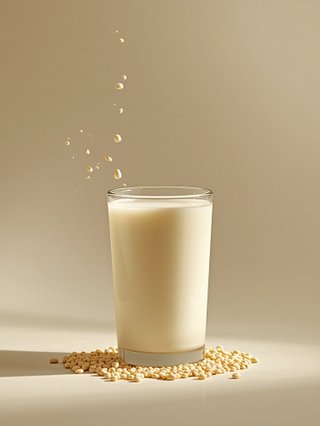
- Fortified Soy Beverage: The only botanical milk matching mammalian dairy in protein concentration (3.2–3.5 g/100 mL) and complete amino acid scoring.
- Fortified Oat Milk: Naturally rich in prebiotic beta-glucans, free from toxic heavy metal bioaccumulation.
- Fortified Almond Milk: Low in carbohydrates and naturally rich in alpha-tocopherol (vitamin E).
Crucially, all commercial selections must be explicitly fortified with calcium (120 mg/100 mL), vitamin D3, and cyanocobalamin (B12), without added refined sugars.
Want to apply these guidelines in your daily diet?
Our smart diet generator creates a tailored meal plan in 3 minutes based on the recommendations in this article.
Tags

Anna Schmidt
• 25.11.2026Diets Premium Expert
Diets Premium team expert. Specializes in nutrition plans, strength sports, and training plans.