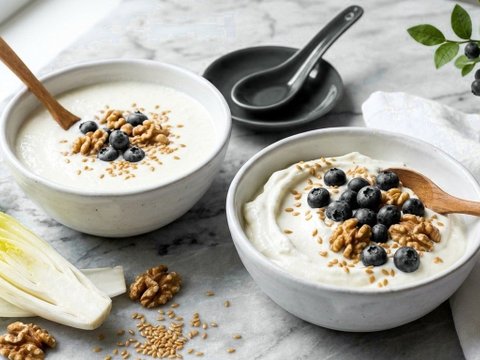
Buttermilk – nutritional properties, culinary recipes, and health effects: an analysis of benefits and potential contraindications
1 photo
751
Smart Voice
AI
0:00
0:00
Listen to the article content live
Table of Contents 4
Medical & Editorial Disclaimer (§3 Terms): This article is for informational and educational purposes only, does not constitute medical advice, diagnosis, or treatment, and is used at your own risk. Consult a qualified physician for medical conditions.
Clinical E-Books & Diet Plans:
Explore E-Books & Plans →
Key Takeaways
Dairy products, particularly fermented items like buttermilk, represent a vital yet frequently overlooked category in daily nutrition, offering an abundance of high-quality proteins, essential minerals, and vital vitamins. Incorporating these wholesome beverages into your routine supports foundational well-being and enhances your nutritional intake naturally.
The natural fermentation process enriches buttermilk with live probiotic bacterial cultures that positively interact with the gut microbiome, fostering healthy digestion, regular peristalsis, and robust immune defenses. Because active lactic acid bacteria partially break down lactose, buttermilk is typically much better tolerated by individuals with mild lactose sensitivities. Furthermore, the presence of bioavailable calcium, phosphorus, magnesium, and B vitamins actively supports bone density, dental health, and neuromuscular vitality.
Culinarily, buttermilk offers remarkable versatility as a refreshing standalone beverage, a tenderizing marinade for poultry, a base for chilled summer soups, or a rising agent in wholesome baked goods. Rotating buttermilk with other fermented dairy options like kefir ensures a richly diverse intestinal microflora, contributing to long-term vitality and digestive balance.
Dairy products, including milk and its derivatives, often represent an overlooked category in the daily diet of many individuals in Poland, despite their pivotal role in supplying the body with essential nutrients. They serve as a valuable source of high-quality protein with a complete amino acid profile, as well as the macroelement calcium, which is fundamental for maintaining bone and dental health. Additionally, they provide a range of fat-soluble vitamins—such as retinol (vitamin A), cholecalciferol (vitamin D), tocopherol (vitamin E), and phylloquinone (vitamin K)—which perform critical metabolic and regulatory functions. Particular attention, however, should be given to fermented dairy products, including buttermilk, which, through the fermentation process, is enriched with live probiotic bacterial cultures. These microorganisms exert a beneficial effect on the gut microbiome, thereby supporting proper peristalsis, digestion, and the body’s overall immune defense.
01 / 04
It's a butterfly
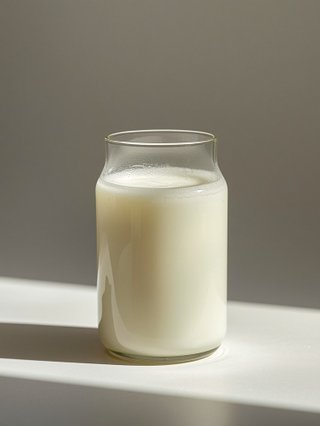
Buttermilk is a natural, highly nutritious fermented dairy beverage resulting from the churning of cream into butter. It is prized for its low fat content (typically 0.5% to 1.5%), easily digestible proteins, bioavailable calcium, and beneficial lactic acid bacteria cultures that nurture the gut microbiome.
02 / 04
The properties of butter
Buttermilk is an easily digestible dairy product and also has a low energy value. It provides little fat, as only 1.5g per 100ml, about 4.5g of carbohydrates in the form of lactose, and 3.5g of high-quality protein. The lactose in buttermilk is better tolerated by people with lactase deficiency than milk, because as a result of fermentation carried out by lactic acid bacteria, the disaccharide was broken down into glucose and galactose, which does not cause unpleasant symptoms. It is worth mentioning that scientific studies have shown that consuming whole-fat buttermilk lowers the risk of developing type 2 diabetes. Furthermore, the fat in buttermilk has high nutritional value because it is rich in phospholipids and sphingolipids, which build the cell membrane of every human cell. The results of the Asano et al. study indicate that buttermilk is a regulator of brown adipose tissue, which is responsible, among other things, for thermoregulation and energy expenditure in the form of heat, which increases the basal metabolic rate. The results of these tests suggest that consuming buttermilk may be helpful in combating overweight and obesity. Yogurt, kefir, buttermilk, and acidophilic milk are natural sources of probiotic bacteria. Consuming the mentioned products is particularly important when undergoing antibiotic therapy, in cases of genital yeast infections, and for the preventive purpose of preventing changes in the composition of the gut microflora. The appropriate composition of the gut microbiota positively affects our well-being and the process of nutrient absorption from meals consumed and digested in the digestive tract. Symptoms such as bloating, gas, and abdominal distension are also alleviated. Fermented dairy products, including buttermilk, are recommended as they help prevent constipation because they positively affect peristalsis, stool formation, and hydration. Buttermilk is a rich source of calcium easily absorbed by the body, with a relatively low calorie content. Calcium is an essential dietary component because its absence in daily meals leads to its release from bones, which weakens their structure and increases the susceptibility of bones to fractures. It participates in the mineralization of bones and teeth, is involved in protein synthesis, and regulates the proper function of muscles and the nervous system. Adequate calcium intake and vitamin D are the basis of preventive care for osteoporosis. The maślanka also contains B vitamins: thiamine, riboflavin and vitamin B12, as well as potassium and magnesium.
03 / 04
Butter dishes
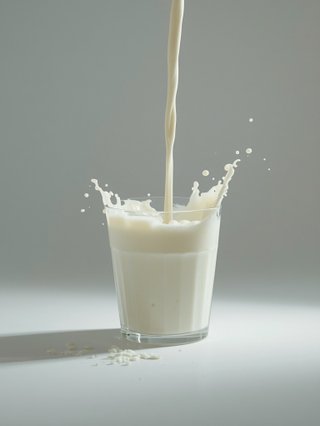
Buttermilk offers vast culinary versatility in both savory cooking and chilled refreshments. It serves as a tenderizing marinade for poultry, a refreshing liquid base for summer cold soups (chłodnik), and a leavening agent for fluffy whole-grain pancakes and baked goods.
04 / 04
Butter or kefir?
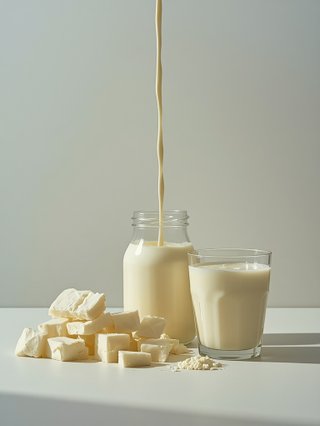
Both buttermilk and kefir represent exceptional functional fermented dairy beverages. While buttermilk features a delicate, mildly acidic profile with abundant lecithin and lactic acid, kefir delivers a more complex symbiosis of lactic bacteria and yeast strains with a tangy effervescence. Rotating both beverages ensures a richly diverse intestinal microflora.
Meal Plan
Want to apply these guidelines in your daily diet?
Our smart diet generator creates a tailored meal plan in 3 minutes based on the recommendations in this article.
Tags

Kacper Nowak
• 25.11.2026Diets Premium Expert
Diets Premium team expert. Specializes in nutrition plans, strength sports, and training plans.