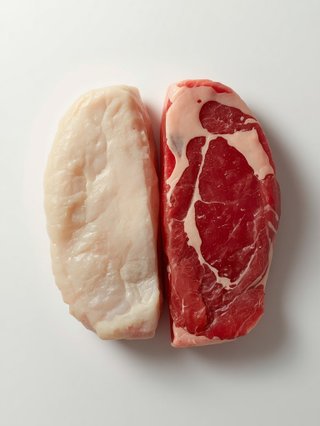
Animal fats and increased risk of heart disease - the latest discoveries


Table of Contents 7
Medical & Editorial Disclaimer (§3 Terms): This article is for informational and educational purposes only, does not constitute medical advice, diagnosis, or treatment, and is used at your own risk. Consult a qualified physician for medical conditions.
Physiologically, consuming high-quality animal proteins and fats appears to help stabilize postprandial blood glucose levels, preventing sharp glycemic spikes that can strain the vascular system. Emerging evidence indicates that elevations in blood lipid markers driven by natural dietary fats do not automatically translate to a higher incidence of cardiac events. Conversely, diets heavily reliant on refined carbohydrates or certain plant oils susceptible to oxidation, such as sunflower oil, may negatively impact cardiovascular balance. Furthermore, non-dietary lifestyle factors, including tobacco smoking and alcohol intake, remain critical variables affecting vascular integrity.
From a practical nutrition perspective, these findings encourage a shift away from the complete avoidance of animal fats toward a focus on whole, nutrient-dense foods. Incorporating minimally processed dairy and quality meat sources as part of a balanced diet can assist in maintaining steady energy levels and satiety. To best support cardiovascular wellness, individuals should concentrate on overall dietary pattern quality, reducing the intake of highly processed carbohydrates and avoiding harmful habits like smoking, while utilizing diverse protein and fat sources to sustain daily vitality.
This article is professional premium content (PRO) provided in its entirety.
A pan-European epidemiological analysis across 42 nations: dietary patterns and cardiovascular disease correlations
Peer-reviewed scientific literature serves as the cornerstone of evidence-based knowledge in medicine and nutritional sciences, enabling the systematic evaluation of both deleterious and beneficial health effects associated with specific dietary components. These publications also facilitate the identification of causal relationships between environmental exposures, lifestyle factors, and the incidence of particular diseases—thereby informing the development of preventive health strategies. Among these, large-scale, methodologically rigorous studies with broad geographic representation are accorded the highest evidentiary weight, as they yield the most robust and generalizable findings.
One such exemplary investigation is the ecological cross-sectional study conducted in 2016 by researchers at Masaryk University in the Czech Republic [1], which sought to elucidate the associations between the consumption of distinct food groups and the prevalence of cardiovascular diseases across 42 European nations. The analytical framework relied on epidemiological datasets sourced from the Food and Agriculture Organization of the United Nations (FAO)—a specialized UN agency tasked with compiling global data on food production, distribution, and consumption. The study examined intake patterns for 62 food categories spanning the years 1993–2008, cross-referencing these with national cardiovascular disease incidence rates. To mitigate confounding, the researchers incorporated covariates such as tobacco smoking prevalence, obesity metrics, and healthcare expenditure levels in each country.
The culmination of this exhaustive analysis is a 27-page scholarly publication, replete with comparative tables, explanatory figures, and citations to over 60 academic references. Its conclusions—some of which challenge long-standing dietary paradigms—have the potential to reshape conventional wisdom regarding the role of animal fats in the pathogenesis of heart disease. A critical strength of the study lies in its independence from industry influence: the research received no funding from food manufacturers, and the authors disclosed no conflicts of interest, thereby enhancing the integrity and reliability of the reported outcomes.
Elevated cholesterol linked to reduced cardiovascular risk: Reassessing causal relationships in lipid metabolism
Association between animal-derived food consumption and lowered cardiovascular disease risk: an examination of recent scientific evidence
Excessive dietary carbohydrate consumption may contribute to cardiovascular pathology development: insights from recent scientific analyses
Alcoholic beverage consumption and elevated cardiovascular disease risk: a dose-response relationship analysis with distinctions by beverage type
Researchers raise concerns: Regular consumption of sunflower oil may contribute to the development of cardiovascular diseases
Recent epidemiological findings shed new light on the potentially harmful effects of sunflower oil—a plant-based fat widely regarded as a healthier substitute for animal fats. Data analysis has revealed a statistically significant association between frequent consumption of this oil and an increased mortality rate from acute myocardial infarction. Notably, this phenomenon was most pronounced in European regions where diets are simultaneously characterized by high intake of simple carbohydrates and alcohol—factors that may independently modify the impact of fats on the body. The study authors emphasize that the precise mechanisms underlying this interaction remain unclear, though they propose several hypotheses to explain the observed correlations.
One plausible explanation centers on the high concentration of polyunsaturated omega-6 fatty acids in sunflower oil, excessive consumption of which—particularly in the absence of sufficient omega-3 intake—may contribute to chronic systemic inflammation. Such inflammatory states are well-established risk factors for the development of atherosclerosis and other cardiovascular diseases. Another theory suggests potential contaminants formed during industrial processing, such as refining or hydrogenation, though researchers note that in regions with the highest consumption, the oil is primarily consumed in its unrefined form, such as in salad dressings or cold applications. To definitively determine the causes of these findings, further in-depth investigations are warranted.
The correlation between cigarette smoking and elevated cardiovascular disease risk: an examination of risk factors and gender disparities
Want to apply these guidelines in your daily diet?
Our smart diet generator creates a tailored meal plan in 3 minutes based on the recommendations in this article.
Tags

mgr Max Müller
• 25.11.2026Diets Premium Expert
Diets Premium team expert. Specializes in nutrition plans, strength sports, and training plans.