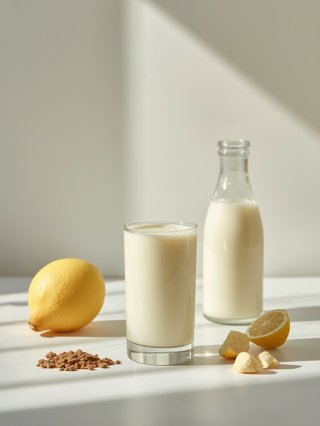
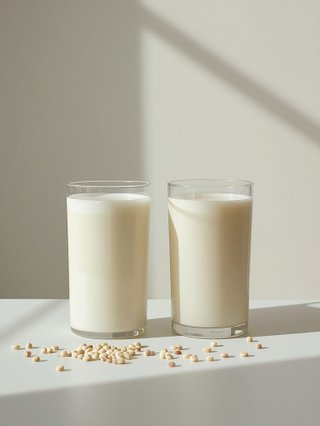
Soy milk: benefits and limitations of the classic drink from your store
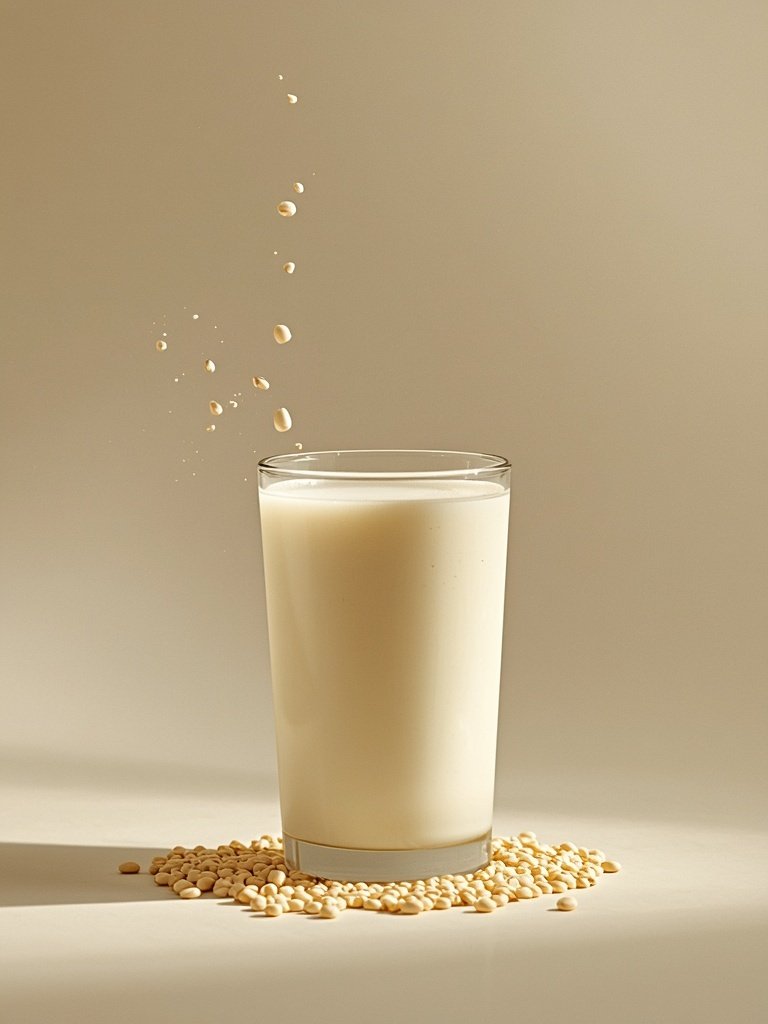
Table of Contents 3
Medical & Editorial Disclaimer (§3 Terms): This article is for informational and educational purposes only, does not constitute medical advice, diagnosis, or treatment, and is used at your own risk. Consult a qualified physician for medical conditions.
Physiologically, soy milk delivers a cardioprotective lipid matrix naturally free from dietary cholesterol, enriched with polyunsaturated fatty acids and soy lecithin that together support healthy blood lipid levels. The presence of soy isoflavones offers valuable phytoestrogenic and antioxidant properties that interact beneficially with cellular pathways. Traditional thermal processing during production is essential, as thorough boiling inactivates natural anti-nutritional factors, thereby maximizing protein digestibility and nutrient bioavailability.
Incorporating soy milk into a daily wellness routine requires mindful awareness of individual health considerations. Clinically, soy protein is recognized as a primary allergen for sensitive individuals, and its compounds can interfere with the intestinal absorption of thyroid medications, necessitating a clear time window between consumption and drug administration. When used thoughtfully, this nutrient-dense beverage offers an exceptional, heart-healthy option to diversify daily protein intake and promote overall vitality.
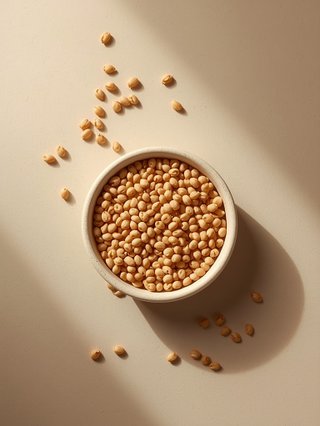
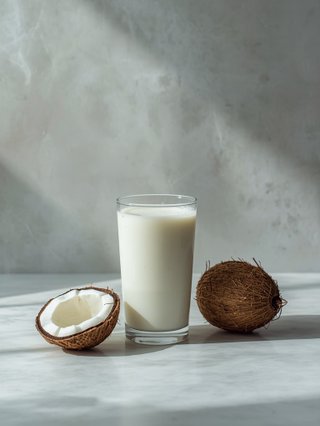
Soy milk is a traditional aqueous extract of whole soybeans with centuries-old roots in East Asian gastronomy. Unique among mainstream plant-based milk alternatives, it delivers high-biological-value protein featuring an amino acid score comparable to bovine milk. This guide explores its historical origins, cardiovascular advantages, and the clinical reality surrounding soy isoflavones, endocrine interactions, and allergen management.
Historical Roots and Traditional Manufacturing
The heritage of soy milk production traces back to ancient China. Historical chronicles attribute the systematic refinement of soy extraction to Prince Liu An of the Han Dynasty in the 2nd century BCE, who is also celebrated as the originator of soy coagulation into tofu curds.
Authentic preparation involves soaking selected non-GMO soybeans, finely wet-milling them with purified water, and subjecting the slurry to sustained boiling for 20 to 30 minutes. This thermal processing is clinically essential: it deactivates thermolabile trypsin inhibitors (antinutritive factors impairing protein digestion) and lipoxygenase enzymes responsible for beany off-flavors. Subsequent micro-filtration separates the fibrous residue (okara), leaving a creamy, nutrient-rich emulsion.
Health Benefits: Complete Protein and Isoflavones
Soy milk offers substantial, clinically validated nutritional advantages:
- High-Biological-Value Protein: Delivers 3.2–3.5 g of protein per 100 ml, providing a balanced essential amino acid profile with high digestible indispensable amino acid scores (DIAAS);
- Cardioprotective Lipid Matrix: Naturally free from dietary cholesterol, it is abundant in polyunsaturated linoleic and alpha-linolenic fatty acids alongside soy lecithin, effectively lowering circulating LDL-cholesterol;
- Soy Isoflavones (Genistein, Daidzein): Polyphenolic compounds with selective estrogen receptor modulator (SERM) properties, assisting in alleviating menopausal vasomotor symptoms and preserving bone mineral density;
- Zero Lactose and Dairy Antigens: Optimal alternative for lactose malabsorption and milk whey allergies.
Clinical Considerations: Thyroid Function and Allergens
Appropriate clinical integration requires understanding specific contraindications and interactions:
- Thyroid Health and Levothyroxine Bioavailability: Soy isoflavones can act as mild goitrogens in iodine-deficient settings. Crucially, soy compounds significantly impair intestinal absorption of levothyroxine; a minimum 4-hour interval between thyroid medication and soy consumption is clinically mandated;
- Soy Protein Allergies: Soy represents a major food allergen (principally Gly m proteins), necessitating total avoidance in diagnosed allergic individuals;
- Micronutrient Fortification: Unfortified soy milk contains minimal native calcium; purchasing options enriched with calcium carbonate or organic marine algae (Lithothamnium calcareum) ensuring 120 mg Ca per 100 ml is recommended for bone health.
For the general healthy population, daily consumption of 250–500 ml of fortified soy milk is fully safe and beneficial.
Want to apply these guidelines in your daily diet?
Our smart diet generator creates a tailored meal plan in 3 minutes based on the recommendations in this article.
Tags

mgr Felix Weber
• 25.11.2026Diets Premium Expert
Diets Premium team expert. Specializes in nutrition plans, strength sports, and training plans.