Confrontation of the most popular mayonnaises – analysis of composition, lipid profile, and food additives
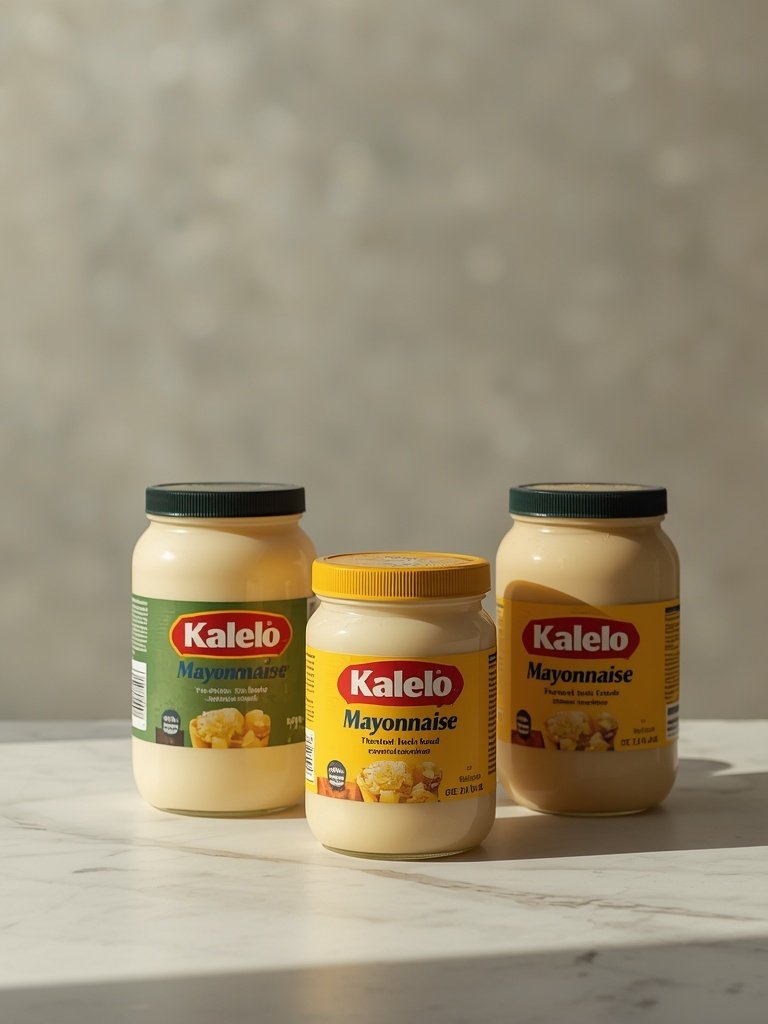
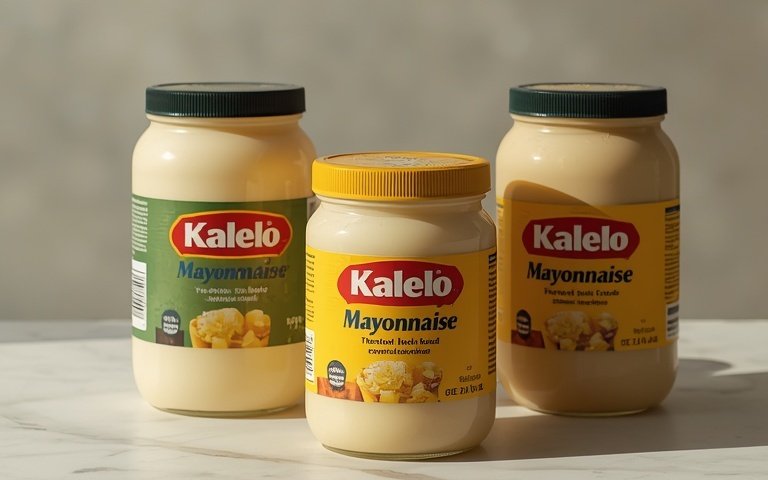
Table of Contents 3
Medical & Editorial Disclaimer (§3 Terms): This article is for informational and educational purposes only, does not constitute medical advice, diagnosis, or treatment, and is used at your own risk. Consult a qualified physician for medical conditions.
A central focus of the analysis is the fatty acid architecture dictated by the primary vegetable oil used during manufacturing. From a clinical lipidology perspective, formulations built on rapeseed oil offer a superior nutritional profile by providing abundant monounsaturated oleic acid alongside a balanced proportion of essential polyunsaturated fatty acids, including alpha-linolenic acid. In contrast, products relying on sunflower oil or unspecified vegetable oil blends skew heavily toward linoleic acid, which can disrupt dietary fatty acid equilibrium. Furthermore, a comparative examination of market brands highlights a sharp divide between clean-label recipes—crafted simply from oil, egg yolks, vinegar, mustard, and seasonings—and heavily engineered alternatives containing synthetic stabilizers, artificial thickeners, preservatives, and chemical antioxidants.
From a practical standpoint, mayonnaise does not need to be entirely excluded from a balanced dietary pattern when consumers apply informed brand selection and mindful portion control. Shoppers are encouraged to prioritize transparent labels that explicitly specify pure rapeseed oil as the lipid base while rejecting products laden with artificial additives and vague oil mixtures. By choosing minimally processed varieties and using modest amounts in everyday meals, individuals can enjoy the culinary versatility of mayonnaise while supporting a heart-conscious nutritional strategy.
This article is professional premium content (PRO) provided in its entirety.
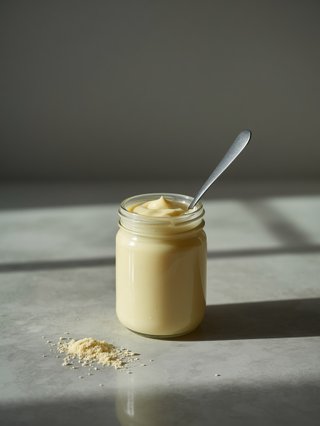
Mayonnaise is one of the most widely consumed cold oil-in-water emulsions in European culinary tradition, serving as a staple base for salads, condiments, and egg dishes. From a clinical nutrition standpoint, it represents an energy-dense matrix typically comprising 70% to 80% total lipids. Consumer debates frequently surround its metabolic impact and cardiovascular risk profile. Evaluating the nutritional quality of commercial mayonnaise depends on several critical biochemical benchmarks: the botanical origin of the vegetable oil, the resulting omega-6 to omega-3 polyunsaturated fatty acid ratio, egg yolk integrity, and the inclusion of synthetic stabilizers and antioxidants.
Lipid Profile and Core Ingredients: Rapeseed vs. Sunflower Oil and the Omega-3/Omega-6 Ratio
Vegetable oil constitutes the predominant component of commercial mayonnaise, dictating its overall fatty acid architecture. Formulations typically utilize refined rapeseed (canola) oil, sunflower oil, or soybean oil. From a lipidological perspective, rapeseed oil is markedly superior: it delivers high proportions of monounsaturated oleic acid (omega-9) alongside an optimal dietary omega-6 (linoleic acid) to omega-3 (alpha-linolenic acid, ALA) ratio of approximately 2:1 to 3:1. Conversely, sunflower oil exhibits an overwhelmingly unbalanced omega-6 to omega-3 ratio exceeding 120:1, which can exacerbate systemic low-grade inflammation when consumed in excess within typical Western diets.
The secondary functional foundation consists of egg yolks, which supply native phosphatidylcholine (lecithin) as a natural emulsifier, together with bioactive lutein, choline, and fat-soluble micronutrients (vitamins A, D, and E). Premium commercial brands declare 5% to 8% liquid egg yolk content. Lower-tier manufacturers frequently substitute reconstituted spray-dried egg powder, while low-fat 'light' formulations replace lipid mass with modified starches, maltodextrin, and hydrocolloid gums (guar and xanthan), which paradoxically increases the glycemic load and dilutes nutritional value.
Market Brand Comparison: Fat Density, Raw Materials, and Industrial Formulation
A thorough comparative evaluation of major commercial mayonnaise brands reveals stark divergences in recipe purity, caloric density, and manufacturing integrity. Conventional full-fat mayonnaises range between 680 and 750 kcal per 100 grams, with lipid fractions routinely exceeding 75% to 80%. Select heritage brands distinguish themselves by adhering to authentic 'clean-label' principles—utilizing strictly rapeseed oil, egg yolks, vinegar, mustard, and seasonings without artificial preservatives or textural stabilizers.
Conversely, a significant segment of mass-market products introduces synthetic antioxidants, most notably calcium disodium EDTA (E 385). While EDTA efficiently chelates transition metal ions to inhibit lipid rancidity and prolong commercial shelf life, excessive dietary exposure can sequester trace minerals like iron and zinc, interfering with intestinal absorption. Lower-grade formulations also rely on added artificial flavor enhancers, colorants (such as beta-carotene or paprika extracts), and water binders to mask reduced real yolk concentrations.
Dietary Evaluation and Purchasing Criteria: Evidence-Based Consumer Selection
From a clinical dietary perspective, mayonnaise need not be entirely excluded from a balanced nutrition plan, provided consumers exercise disciplined portion control and brand selectivity. The primary purchasing benchmark is the lipid origin: prioritize products explicitly stating 100% rapeseed (canola) oil to ensure cardioprotective oleic and alpha-linolenic acids, while rejecting options based on high-omega-6 sunflower oil or unspecific 'vegetable oil' blends. The second rule is avoiding products formulated with calcium disodium EDTA (E 385), modified starches, and artificial flavoring agents.
Given that a single level tablespoon (approx. 15 g) provides roughly 100 to 110 kcal, caloric management remains essential. A proven dietetic strategy to lower energy density without sacrificing palatability is blending high-grade artisanal mayonnaise with plain Greek yogurt or skyr in a 1:1 or 1:2 ratio. This technique cuts total fat and caloric load by over 50%, while introducing high-quality dairy protein and beneficial probiotic lactic cultures to cold preparations.
Want to apply these guidelines in your daily diet?
Our smart diet generator creates a tailored meal plan in 3 minutes based on the recommendations in this article.
Tags

Wojciech Wiśniewski
• 23.10.2026Diets Premium Expert
Diets Premium team expert. Specializes in nutrition plans, strength sports, and training plans.