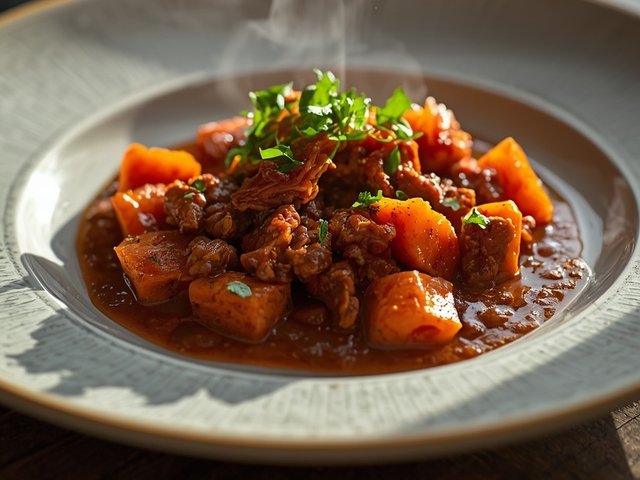
Low Carb Chili Con Carne with Carrot

| Parameter | Value | Parameter | Value |
|---|---|---|---|
|
Preparation time
|
40 min |
Number of portions
|
4 |
|
Cena (Walmart)
|
$4.29 |
Cost of one portion
|
$1.07 |
|
Number of ingredients needed for preparation
|
12 |
Total calories
|
699 kcal |
|
Glycemic Index (GI)
|
IG 14 |
Glycemic Load (GL)
|
GL 0.2 |
Ingredients
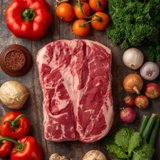
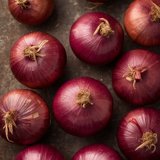
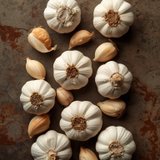
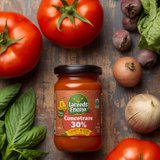
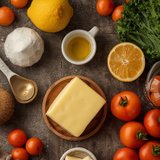
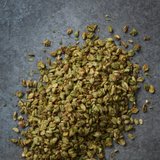
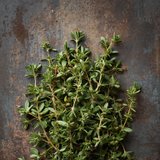
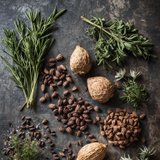
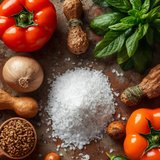
Show Supermarket Price Comparison & Trend
Compare grocery chains & historical meal cost
Supermarket Chain Price Comparator — Low Carb Chili Con Carne with Carrot
Compare estimated shopping costs across major supermarket chains, scale portions or weight, and calculate the route to your nearest store.
| Select supermarket chain | 1 portion | 1 portion | 2 portions | 4 portions | Find store on map & calculate route |
|---|---|---|---|---|---|
Aldi
Cheapest
|
0,97 € | 0,97 € | 1,94 € | 3,88 € | |
Lidl
+1%
|
0,98 € | 0,98 € | 1,96 € | 3,92 € | |
Tesco
+10%
|
1,07 € | 1,07 € | 2,14 € | 4,28 € | |
Carrefour
+13%
|
1,10 € | 1,10 € | 2,20 € | 4,40 € | |
SPAR
+16%
|
1,13 € | 1,13 € | 2,26 € | 4,52 € |
Recipe Summary & Culinary Insights
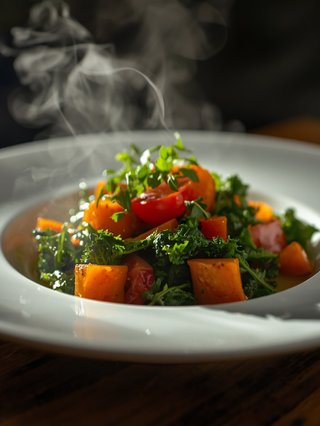
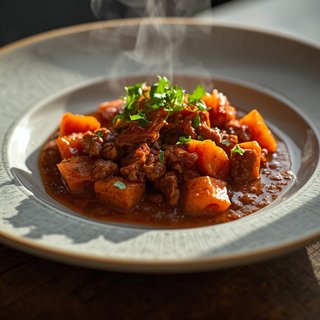
This Low Carb Chili Con Carne with Carrots presents a profound flavor harmony, where the tender ground pork is perfectly complemented by the spicy depth of tomato paste and aromatic herbs like oregano and marjoram. The subtle layers of caramelized onion flavor and the slightly sweet hint of carrots create a wonderful contrast to the hearty spice of the chili. The texture is rich and velvety, with the soft beans adding a pleasant substance that blends harmoniously with the meat.
From a nutritional perspective, this dish offers an excellent foundation for a satisfying meal that maintains stable blood sugar levels. The high content of quality protein from the pork supports muscle preservation and overall vitality, while the combination with vegetable components ensures gentle digestive support. It promotes a balanced metabolic equilibrium by providing sustained energy.
The preparation is a meditative process, allowing for a slow simmer that allows the flavors to fully develop. This chili fits perfectly into a lifestyle focused on high protein intake and a low carbohydrate diet, whether for muscle building or body recomposition. It is a perfect, comforting component of a balanced, energy-filled daily menu.
Recipe preparation steps
Then we add between 150ml - 300ml of water (depending on taste and personal preference) with the tomato paste.
Drain the beans through a sieve and add to the chili. Let the dish simmer gently for 5 - 15 minutes, stirring occasionally.
Finally, taste again and season to taste.
Show Full Micronutrient Profile, Allergens & Glucose Curve
Vitamins, minerals, amino acids & glycemic load simulation
Nutrients
Precise micro- and macronutrient analysis with daily reference intake (RDA) coverage (1 portion)
Low Carb Chili Con Carne with Carrot
ARE vitamin
Added sugar
Alanine
Alcohol
Animal protein
Argentina
Ash
Aspartic acid
Beta-Carotene
Beta-cryptoxanthin
Beta-sitosterol
Bor
Calcium
Campesterol
Carbohydrates
Carbohydrates, total
Carotene Beta
Cheese
Chlor
Chlor
Cholesterol
Chromium
Citric acid
Cobalt
Copper
Cranberry juice
Cysteine
Energy
Fat
Fiber
Fitosterol
Fluor
Folic acid
Folic acid
Fructose
Glucose
Glutamine
Glutamine
Glycine
Histidine
Insoluble fiber
Inulin
Iodine
Iron
Isoleucine
Lactose
Leucine
Lignin
Lutein
Lutein + zeaxanthin
Lymphopenia
Lysine
Magnesium
Maltose
Manganese
Methionine
Molybdenum
Monounsaturated fatty acids
Nickel
Nitrate
Nitrogen
Omega 3
Omega 6
Oxalic acid
Phenylalanine
Phosphorus
Phytoen
Phytofluen
Plant protein
Polyunsaturated fatty acids
Potassium
Proline
Protein
Salt
Saturated fatty acids
Selenium
Sodium
Soluble fiber
Sponge cake
Starch
Stigmasterol
Sucrose
Sugar
Sulfur
Taurine
Threonine
Total sugar alcohol
Trans fatty acids
Tryptophan
Tyrosine
Valina
Vitamin A
Vitamin B1 (Thiamine)
Vitamin B12 (Cobalamin)
Vitamin B2 (Riboflavin)
Vitamin B3 (Niacin)
Vitamin B4 (Choline)
Vitamin B5 (Pantothenic acid)
Vitamin B6 (Pyridoxine)
Vitamin B8 (Inositol)
Vitamin B9 (Folic acid)
Vitamin C (Ascorbic acid)
Vitamin D
Vitamin D3
Vitamin E
Vitamin K
Water
Zeaxanthin
Zinc
| Name | Category | Amount | % RDA |
|---|---|---|---|
| ARE vitamin | - | 1.01 µg | - |
| Added sugar | - | 0.01 g | - |
| Alanine | - | 0.11 g | - |
| Alcohol | - | 0 g | - |
| Animal protein | - | 0 g | - |
| Argentina | - | 0.11 g | - |
| Ash | - | 0.78 g | - |
| Aspartic acid | - | 0.16 g | - |
| Beta-Carotene | - | 62.5 µg | - |
| Beta-cryptoxanthin | - | 0.73 µg | - |
| Beta-sitosterol | - | 0.04 mg | - |
| Bor | - | 0.29 mg | - |
| Calcium | - | 10.56 mg | 1% |
| Campesterol | - | 0.01 g | - |
| Carbohydrates | - | 1.55 g | 1% |
| Carbohydrates, total | - | 0.16 g | - |
| Carotene Beta | - | 27.84 mg | - |
| Cheese | - | 0.08 g | - |
| Chlor | - | 343.13 mg | - |
| Chlor | - | 0.13 mg | - |
| Cholesterol | - | 61.11 mg | - |
| Chromium | - | 0.01 µg | - |
| Citric acid | - | 0.76 mg | - |
| Cobalt | - | 0.01 µg | - |
| Copper | - | 0.07 mg | - |
| Cranberry juice | - | 0.18 g | - |
| Cysteine | - | 0.03 g | - |
| Energy | - | 0.77 kJ | - |
| Fat | - | 12.6 g | 18% |
| Fiber | - | 0.42 g | 2% |
| Fitosterol | - | 0.25 mg | - |
| Fluor | - | 0.02 mg | - |
| Folic acid | - | 0.04 µg | - |
| Folic acid | - | 0.69 µg | - |
| Fructose | - | 0.04 g | - |
| Glucose | - | 0.04 g | - |
| Glutamine | - | 0.25 g | - |
| Glutamine | - | 0.27 g | - |
| Glycine | - | 0.08 g | - |
| Histidine | - | 0.05 g | - |
| Insoluble fiber | - | 0.22 g | - |
| Inulin | - | 0.06 g | - |
| Iodine | - | 0.01 µg | - |
| Iron | - | 1.3 mg | 9% |
| Isoleucine | - | 0.1 g | - |
| Lactose | - | 0 g | - |
| Leucine | - | 0.11 g | - |
| Lignin | - | 0.03 g | - |
| Lutein | - | 0.05 µg | - |
| Lutein + zeaxanthin | - | 10.03 mg | - |
| Lymphopenia | - | 0.15 µg | - |
| Lysine | - | 0.16 g | - |
| Magnesium | - | 18.75 mg | 5% |
| Maltose | - | 0 g | - |
| Manganese | - | 0.08 mg | - |
| Methionine | - | 0.03 g | - |
| Molybdenum | - | 0.03 µg | - |
| Monounsaturated fatty acids | - | 5.4 g | - |
| Nickel | - | 0.01 mg | - |
| Nitrate | - | 0.03 mg | - |
| Nitrogen | - | 0.1 g | - |
| Omega 3 | - | 0 g | - |
| Omega 6 | - | 0.03 g | - |
| Oxalic acid | - | 0.51 mg | - |
| Phenylalanine | - | 0.1 g | - |
| Phosphorus | - | 124.31 mg | 18% |
| Phytoen | - | 0.03 µg | - |
| Phytofluen | - | 0.02 µg | - |
| Plant protein | - | 0.03 g | - |
| Polyunsaturated fatty acids | - | 1.26 g | - |
| Potassium | - | 238.08 mg | 12% |
| Proline | - | 0.08 g | - |
| Protein | - | 13.8 g | 28% |
| Salt | - | 500 g | - |
| Saturated fatty acids | - | 4.71 g | - |
| Selenium | - | 18.15 µg | 33% |
| Sodium | - | 240.63 mg | 12% |
| Soluble fiber | - | 0.08 g | - |
| Sponge cake | - | 0.01 mg | - |
| Starch | - | 0.42 g | - |
| Stigmasterol | - | 0.01 g | - |
| Sucrose | - | 0.02 g | - |
| Sugar | - | 0.12 g | - |
| Sulfur | - | 0.88 mg | - |
| Taurine | - | 0 mg | - |
| Threonine | - | 0.08 g | - |
| Total sugar alcohol | - | 0.01 g | - |
| Trans fatty acids | - | 0.05 g | - |
| Tryptophan | - | 0.03 g | - |
| Tyrosine | - | 0.05 g | - |
| Valina | - | 0.13 g | - |
| Vitamin A | - | 33.26 µg | 4% |
| Vitamin B1 (Thiamine) | - | 0.6 mg | - |
| Vitamin B12 (Cobalamin) | - | 0.54 µg | - |
| Vitamin B2 (Riboflavin) | - | 0.14 mg | - |
| Vitamin B3 (Niacin) | - | 3.46 mg | - |
| Vitamin B4 (Choline) | - | 0.33 mg | - |
| Vitamin B5 (Pantothenic acid) | - | 0.02 mg | - |
| Vitamin B6 (Pyridoxine) | - | 0.25 mg | - |
| Vitamin B8 (Inositol) | - | 0.13 mg | - |
| Vitamin B9 (Folic acid) | - | 2.47 µg | - |
| Vitamin C (Ascorbic acid) | - | 0.79 mg | - |
| Vitamin D | - | 0.69 µg | 5% |
| Vitamin D3 | - | 0.01 µg | - |
| Vitamin E | - | 0.1 mg | 1% |
| Vitamin K | - | 4.31 µg | 6% |
| Water | - | 49.88 g | - |
| Zeaxanthin | - | 0.15 µg | - |
| Zinc | - | 1.7 mg | 17% |
No nutrients matching your search criteria
Nutritional Profile Comparison
📈 Interactive ChartNutrient content comparison per serving
Blood Glucose Curve & Glycemic Index
Biochemical model of blood glucose dynamics (0-180 min) accounting for fat, protein, and fiber buffering.
Blood Glucose Curve (0-180 min)
Biochemical model of blood glucose dynamics (0-180 min) accounting for fat, protein, and fiber buffering.
Glycemic Load (GL) combines both the Glycemic Index (GI) and the actual amount of digestible carbohydrates in a serving.
Clinical thresholds: Low ≤ 10 pts • Moderate 11–19 pts • High ≥ 20 pts