Znaczenie białka w redukcji tkanki tłuszczowej i modelowaniu sylwetki

| MAGAZYN WIEDZY KLINICZNEJ MAGAZYN WIEDZY KLINICZNEJ | min czytania 10 min |
| Ekspert Medyczny Diets Premium David Janitzek | Zweryfikowane merytorycznie przez dietetyka klinicznego 23.03.2026 |
Odtwarzacz głosowy
•Odsłuchaj treść artykułu na żywo
Białko pełni kluczową rolę w procesie redukcji tkanki tłuszczowej i kształtowaniu sylwetki, niezależnie od tego, czy mamy do czynienia z kulturystyką, czy po prostu pragniemy utrzymać zdrową sylwetkę. Odpowiednie spożycie białka wspiera odbudowę mięśni, zwiększa uczucie sytości i przyspiesza metabolizm. W niniejszym artykule przedstawimy najlepsze źródła białka, jego substytuty, dzienne zapotrzebowanie, jak również biodostępność oraz najwłaściwszy czas spożywania białka w dni treningowe i te, w których nie jest prowadzona żadna aktywność fizyczna.
Chcesz wdrożyć te zasady w codziennej diecie?
Nasz inteligentny generator ułoży dla Ciebie zbilansowany jadłospis w 3 minuty, uwzględniając zalecenia z tego artykułu.
Ten artykuł jest profesjonalnym materiałem merytorycznym (PRO) udostępnionym w całości.
Why Is Protein Essential for the Fat Reduction Process and Shaping the Figure?
1. Supporting Fat Reduction
Protein requires more energy to digest than fats or carbohydrates, leading to an increase in metabolism and aiding the body in burning more fat.
2. Enhancing Satiety
Increased protein intake helps regulate appetite and reduces cravings for snacks between meals.
3. Building and Regenerating Muscles
Protein provides the necessary amino acids for muscle regeneration and growth, which is particularly important for physically active individuals or those looking to improve their figure.
The Finest Protein Sources
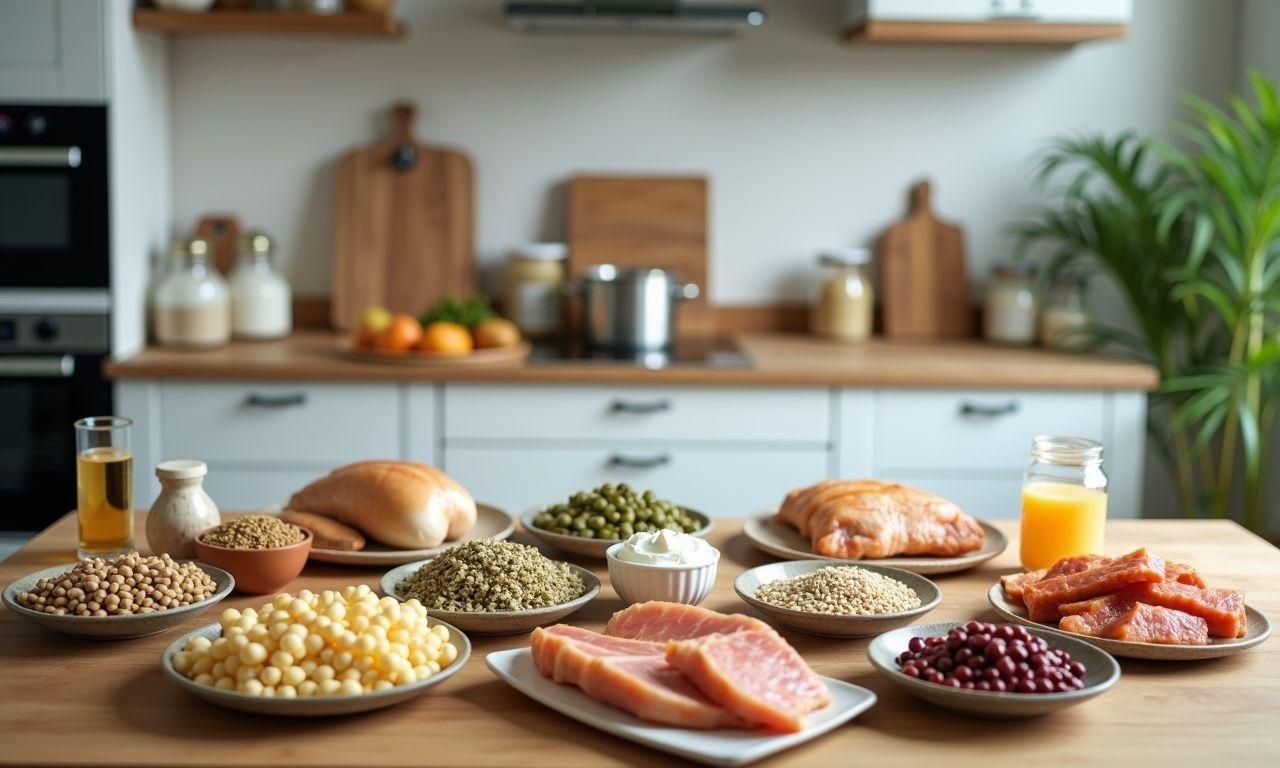
1. Animal Protein Sources:
- Leafy meats: chicken, turkey, lean beef, veal
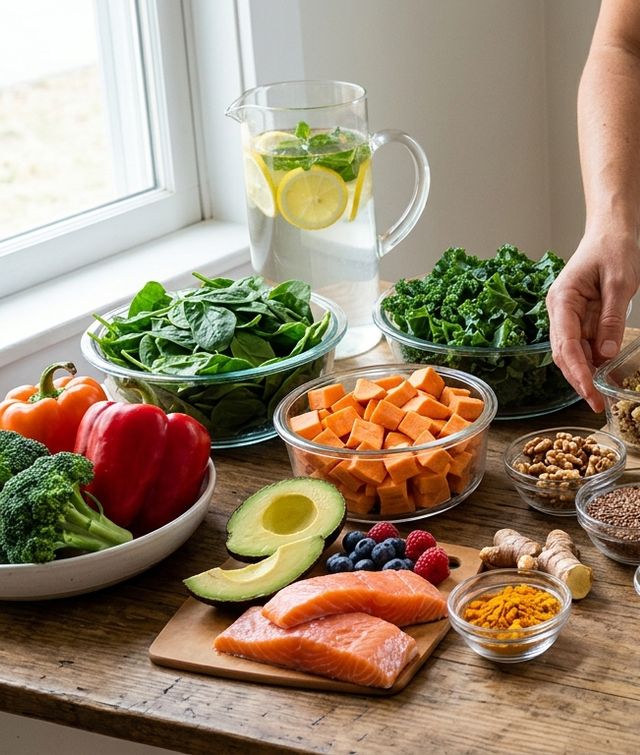
- Fish: salmon, cod, tuna, mackerel
- Eggs and egg products
- Dairy products: Greek yogurt, cottage cheese, mozzarella
- Seafood: shrimp, salmon, mussels
2. Plant Protein Sources:
- Legumes: lentils, beans, chickpeas
- Tofu and tempeh
- Nuts and seeds: almonds, cashews, sunflower seeds
- Quinoa and buckwheat.
Protein substitutes and supplementation
If you are facing challenges in securing sufficient protein from your diet, consider the following:
- Protein sources (whey, plant-based, casein)
- Protein bars
- Collagen powder.
What Is the Recommended Daily Protein Intake?
Daily protein requirements depend on age, body weight, gender, and activity level:
- Sedentary individuals: 0.8–1 g of protein per kg of body weight
- Physically active individuals: 1.2–2 g of protein per kg of body weight
- People aiming for fat loss: 1.6–2.2 g of protein per kg of body weight
- Strength athletes: up to 2.5 g of protein per kg of body weight daily
Distributing protein intake evenly throughout the day allows for optimal absorption and muscle building.
How Much Protein Should Be Consumed at Each Meal?
Research suggests that the body can efficiently utilize around 20-40 g of protein per meal. Consuming more protein in a single sitting does not result in further increases in muscle protein synthesis, as surplus protein is employed in other metabolic processes. An optimal daily distribution of protein may appear as follows:
- Breakfast: 25-30 g
- Second breakfast: 15-25 g
- Lunch: 30-40 g
- Snack: 15-20 g
- Dinner: 25-30 g.
Protein Bioavailability Index
Not all protein sources are equally assimilated. Key factors that influence absorption comprise:
- Amino acid composition
- Food processing
- Co-occurrence of other nutrients in the meal
The highest biological value (BV) is observed in:
- Eggs – 100
- Whey protein – 104-159
- Milk – 91
- Soy – 74.
At what time is it best to ingest protein to support weight reduction and body sculpting?
On training days:
- Prior to workouts (1-2 hours in advance) – supplies energy and amino acids
- Post-workout (within 60 minutes) – aids muscle restoration
- Just before retiring for the night – casein ensures a gradual release of amino acids during rest
On rest days:
- Evenly distributed throughout the day – sustains metabolism and aids recovery
- During breakfast – prevents muscle deterioration and regulates hunger
Protein is a vital nutritional component that assists in weight reduction and body sculpting. The correct quantity and quality of protein consumption help maintain muscle mass, burn fat, and improve general well-being. It is recommended to consume protein regularly and select diverse sources to meet the body's unique requirements optimally.
David Janitzek
Ekspert Medyczny Diets Premium
Ekspert zespołu medyczno-dietetycznego Diets Premium. Specjalizuje się w dietoterapii, optymalizacji metabolizmu oraz klinicznych planach żywieniowych.
Zobacz profil →