Zdrowe jelita: Klucz do silnego układu odpornościowego | Diets Premium Skip to main content
PRO MAGAZYN WIEDZY KLINICZNEJ 7 min czytania

Jak dbać o zdrowie jelit?

Alicja Kowalska
Alicja Kowalska ✓
Ekspert Medyczny Diets Premium • 25.09.2026
✓
Zweryfikowane merytorycznie przez dietetyka klinicznego: Treść artykułu została zweryfikowana pod kątem zgodności z normami żywieniowymi IŻŻ, WHO oraz standardami klinicznymi PTGiP.
MAGAZYN WIEDZY KLINICZNEJ MAGAZYN WIEDZY KLINICZNEJ min czytania 7 min
Ekspert Medyczny Diets Premium Alicja Kowalska Zweryfikowane merytorycznie przez dietetyka klinicznego 25.09.2026
Jak dbać o zdrowie jelit?

Odtwarzacz głosowy

•

Odsłuchaj treść artykułu na żywo

0:00 / 0:00
Najważniejsze fakty w pigułce
Hipokrates twierdził, że wszystkie choroby rozpoczynają się w jelitach, co - mając na uwadze najnowsze badania - nie jest jedynie anegdotą, ale również faktem medycznym. Jelita stanowią bowiem jeden z największych skupisk komórek układu immunologicznego i nerwowego w ciele. Ponadto, nasze jelita zamieszkują biliony mikroorganizmów, które mają znaczący wpływ na nasz stan zdrowia. Dlatego opieka nad jelitami jest kluczowa w kontekście profilaktyki przewlekłych chorób.
Plan Żywieniowy

Chcesz wdrożyć te zasady w codziennej diecie?

Nasz inteligentny generator ułoży dla Ciebie zbilansowany jadłospis w 3 minuty, uwzględniając zalecenia z tego artykułu.

Materiał PRO PRO

Ten artykuł jest profesjonalnym materiałem merytorycznym (PRO) udostępnionym w całości.

The intestine: A versatile, multifaceted organ bridging internal physiology and external environment

The mucosal lining of the gastrointestinal tract spans an impressive surface area of approximately 400 square meters—roughly equivalent to that of a full-sized tennis court—making it the most extensive interface between the organism and its external surroundings. Consequently, the digestive system, and the intestines in particular, serve as the critical juncture linking the external environment with the body’s internal milieu. Their primary physiological roles encompass the digestion and absorption of essential nutrients, including lipids, proteins, vitamins, and minerals. Beyond these functions, the intestines are frequently referred to as the "second brain," housing between 200 and 600 million neurons that constitute the enteric nervous system—a sophisticated neural network in constant bidirectional communication with the central nervous system. Notably, this relationship is reciprocal: while the brain regulates intestinal activity, the intestines likewise exert significant influence over brain function. Furthermore, the intestinal tract contains endocrine cells responsible for synthesizing key signaling molecules, such as serotonin—the so-called "happiness hormone"—and dopamine. Research indicates that over 90% of the body’s total serotonin and approximately 50% of its dopamine are stored within the intestines, endowing them with an additional endocrine-like capacity. Scientific studies have established correlations between intestinal dysfunctions (including celiac disease, irritable bowel syndrome, and inflammatory bowel diseases) and neurological disorders such as migraines, chronic fatigue syndrome, and depression. The intestines also represent the body’s largest concentration of immune cells, localized within gut-associated lymphoid tissue (GALT). This specialized tissue comprises B lymphocytes (antibody producers), macrophages (phagocytic cells that engulf foreign particles), and dendritic cells (antigen-presenting cells). Impaired intestinal function compromises immune defense, heightens susceptibility to infections, and elevates the risk of developing lifestyle-related diseases. Contemporary medicine increasingly emphasizes the holistic significance of the intestines in maintaining systemic homeostasis, thereby validating the ancient Hippocratic assertion that "all disease begins in the gut."

What exactly constitutes the intestinal barrier and "leaky gut syndrome" – physiological roles, dysfunctions, and links to chronic disease development?

The optimal functionality of the intestinal barrier represents a cornerstone in preserving gastrointestinal homeostasis. This intricate physiological structure comprises multiple interdependent components, including: • specialized intestinal epithelial cells (termed enterocytes), • a sophisticated protein complex responsible for establishing tight intercellular seals (known as *tight junctions*, TJ), • immune system cells associated with gut-associated lymphoid tissue (GALT), • secretory immunoglobulin A (sIgA) antibodies, • smooth muscle tissue and neural structures of the enteric nervous system. The primary role of a properly functioning intestinal barrier is the selective regulation of molecular traffic—both beneficial and potentially harmful—across the epithelial lining into the interstitial space. Dysregulation of this barrier leads to pathological hyperpermeability, a condition clinically and colloquially referred to as *leaky gut syndrome*. On a daily basis, the intestinal mucosa encounters a myriad of deleterious agents, including environmental toxins, dietary antigens, viral particles, bacterial pathogens, and fungal organisms. Under conditions of compromised barrier integrity, these substances breach the weakened epithelial defense, penetrate deeper mucosal layers, and trigger immune activation—particularly the production of IgG antibodies and the initiation of localized, then systemic, inflammatory responses. The persistence of this phenomenon may culminate in chronic low-grade inflammation throughout the body, thereby fostering the development of a wide array of inflammatory and autoimmune disorders. Scientific evidence has linked leaky gut syndrome to: • autoimmune diseases (e.g., celiac disease, type 1 diabetes, multiple sclerosis), • food allergies and intolerances, • inflammatory bowel diseases (e.g., Crohn’s disease, ulcerative colitis), • psychiatric conditions (including bipolar disorder, schizophrenia, autism spectrum disorder), • non-alcoholic fatty liver disease (NAFLD), • metabolic syndrome and visceral obesity.

Etiology and risk factors of increased intestinal permeability ("leaky gut syndrome")

Increased intestinal permeability—commonly referred to as "leaky gut syndrome"—arises from a multifactorial interplay of environmental, dietary, and microbiological triggers that compromise the mucosal barrier integrity. The primary contributing factors include:

– Toxic exposures: excessive ethanol consumption and prolonged use of specific pharmaceutical agents, notably non-steroidal anti-inflammatory drugs (NSAIDs), broad-spectrum antibiotics, and corticosteroids, which disrupt epithelial tight junction proteins and promote inflammatory cascades.

– Suboptimal dietary patterns: a diet characterized by ultra-processed foods, high concentrations of saturated fatty acids (particularly from animal sources), refined simple carbohydrates (e.g., fructose, sucrose), and synthetic food additives, all of which exacerbate mucosal inflammation and enterocyte damage.

– Hypersensitivity reactions: food allergies (e.g., to gluten, cow’s milk proteins) and enzymatic intolerances (e.g., lactose, histamine), which trigger localized inflammatory responses and impair the structural integrity of intercellular junctions.

– Immune deficiencies: diminished levels of secretory immunoglobulin A (sIgA) within the intestinal lumen, compromising the first-line defense against luminal pathogens and dietary antigens while facilitating bacterial translocation.

– Microbial infections: colonization of the gastrointestinal tract by pathogenic bacterial strains (e.g., Escherichia coli, Klebsiella pneumoniae), viruses (e.g., rotaviruses), protozoa (e.g., Giardia lamblia), and opportunistic fungi such as Candida albicans in overgrowth states, whose metabolic byproducts directly damage epithelial cells.

– Dysbiosis: an imbalance in gut microbiota composition, marked by a depletion of beneficial probiotic species (e.g., Lactobacillus, Bifidobacterium) alongside an expansion of pro-inflammatory microbes, further exacerbating barrier permeability.

– Micronutrient deficiencies: chronic insufficiency of critical vitamins (A, D, C, B complex) and minerals (zinc, magnesium, selenium), which are essential for enterocyte regeneration and membrane stability.

– Psychoneuroimmunological stressors: chronic oxidative and psychological stress, mediated through the hypothalamic-pituitary-adrenal (HPA) axis, which alters gut immune responses and amplifies permeability.

– Comorbid conditions: autoimmune disorders (e.g., celiac disease, type 1 diabetes), metabolic syndromes (e.g., obesity, insulin resistance), and inflammatory bowel diseases (e.g., Crohn’s disease, ulcerative colitis), all of which synergistically aggravate barrier dysfunction.

The role of intestinal microbiota in maintaining digestive equilibrium and overall health

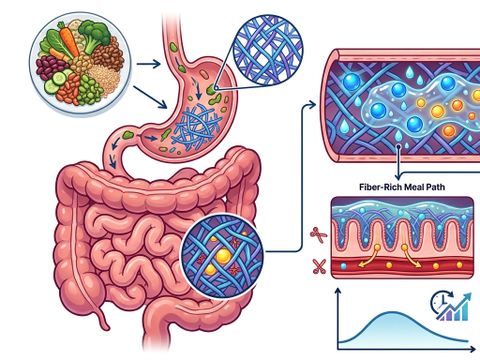
The human gastrointestinal tract constitutes a sophisticated ecosystem inhabited by a vast array of microorganisms—collectively referred to as the gut microbiota—comprising bacteria, yeasts, viruses, and protozoan species. Current estimates suggest that their cumulative population ranges from 10 to 100 trillion, thereby outnumbering human somatic cells by a factor of ten. Given this sheer magnitude and the pivotal roles they fulfill, the microbiota is frequently characterized as an "auxiliary organ" that operates in concert with the host’s physiological systems. Its functional spectrum encompasses the modulation of immune responses, facilitation of digestive processes, and biosynthesis of bioactive compounds, including B-complex vitamins and vitamin K. Experimental evidence derived from germ-free animal models—particularly rodents—has demonstrated that the absence of these microbial communities results in profound immunological deficits and predisposes the organism to the development of autoimmune disorders and allergic conditions. Furthermore, the microbiota serves as a veritable "biochemical factory", generating health-promoting metabolites such as short-chain fatty acids (SCFAs), which are produced via bacterial fermentation of dietary fiber. Key examples of these compounds—butyrate, acetate, and propionate—exert beneficial effects on intestinal barrier integrity and overall gut homeostasis. Of particular significance is the microbiota’s capacity to regulate epithelial permeability, which directly influences inflammatory responses and metabolic equilibrium. The primary nutritional substrate for these microorganisms is dietary fiber—a complex carbohydrate polymer that remains indigestible by human enzymatic activity but provides an optimal medium for bacterial fermentation, thereby yielding metabolically valuable byproducts.

What signs may indicate dysfunction within the digestive system, particularly the intestines?

Among the most common indicators of intestinal dysfunction are: excessive gas accumulation accompanied by bloating, alternating episodes of constipation and diarrhea, persistent sensations of fullness even after consuming small meals, recurrent heartburn and gastroesophageal reflux, chronic fatigue unrelated to sleep duration, recurrent migraine-like headaches, depressed mood and depressive states, painful discomfort affecting muscles and joints, heightened susceptibility to viral and bacterial infections, difficulties maintaining focus and concentration, cutaneous manifestations such as rashes or exacerbation of common acne, dietary intolerances to alcohol and simple carbohydrates, deficiencies in critical vitamins and trace minerals, as well as disturbances in body weight presenting as either underweight or excessive weight gain.

Optimal Strategies for Supporting Gut Health Amid Contemporary Dietary and Lifestyle Challenges

Contemporary dietary habits and lifestyle choices frequently exert detrimental effects on gastrointestinal function, particularly that of the intestines. A diet dominated by highly processed, calorie-dense foods—such as refined carbohydrates, simple sugars, and purified fats—leads to deficiencies in critical nutrients, including vitamins A and D, dietary fiber, and trace minerals, all of which are indispensable for maintaining intestinal barrier integrity. Research demonstrates that deficiencies in these vitamins may exacerbate intestinal permeability, thereby fostering inflammatory conditions and microbial dysbiosis. Furthermore, a fiber-deficient diet suppresses the production of short-chain fatty acids (SCFA), which are vital for gut bacterial health. This article explores how dietary modifications—including the incorporation of resistant starch-rich foods, polyphenols, and natural probiotics—can support mucosal regeneration and microbial balance in the gut. Additionally, it addresses strategies to avoid factors that compromise intestinal barrier function, such as dietary allergens and pro-inflammatory compounds.
Alicja Kowalska

Alicja Kowalska

Ekspert Medyczny Diets Premium

Ekspert zespołu medyczno-dietetycznego Diets Premium. Specjalizuje się w dietoterapii, optymalizacji metabolizmu oraz klinicznych planach żywieniowych.

Zobacz profil →

Polecane artykuły z tej kategorii

Powiązane artykuły

Odkryj podobne publikacje i porady ekspertów.

Te rośliny pomogą ci zmniejszyć masę ciała!
Aktywność Fizyczna
Te rośliny pomogą ci zmniejszyć masę ciała!
⏱ 7 min czytania
#Aktywność Fizyczna #Żywienie
Dieta niskohistaminowa - zasady wdrażania i osoby dotknięte
Dietetyka
Dieta niskohistaminowa - zasady wdrażania i osoby dotknięte
⏱ 8 min czytania 📚 Dietetyka
Menopauza – jak poradzić sobie z tym okresem?
Choroby Genetyczne
Menopauza – jak poradzić sobie z tym okresem?
⏱ 7 min czytania
#Choroby Genetyczne #Przyrost Masy Ciała
Pozostałości po obróbce ziaren pszenicy – frakcje otoczkowe jako produkt uboczny młynarski
Produkty
Pozostałości po obróbce ziaren pszenicy – frakcje otoczkowe jako produkt uboczny młynarski
⏱ 3 min czytania 📚 Produkty
#Nasiona #Post
Sok ziemniaczany - właściwości medyczne... Sok ziemniaczany na wrzody, na włosy
Sok
Sok ziemniaczany - właściwości medyczne... Sok ziemniaczany na wrzody, na włosy
⏱ 3 min czytania
#Sok
Glon Chlorella - skutki, dostępność, koszt, potencjalne działania niepożądane
Witamina C
Glon Chlorella - skutki, dostępność, koszt, potencjalne działania niepożądane
⏱ 4 min czytania
#Witamina C #Witamina K2
Ograniczenie nadwagi u dzieci - jak dostosować ich dietę
Zdrowe
Ograniczenie nadwagi u dzieci - jak dostosować ich dietę
⏱ 6 min czytania
#Zdrowe #Wzorce Żywieniowe
Odkryj, jak połączenie miodu naturalnego z cynamonem może przyspieszyć proces odchudzania w zdrowy i efektywny sposób!
Zarządzanie Wagą
Odkryj, jak połączenie miodu naturalnego z cynamonem może przyspieszyć proces odchudzania w zdrowy i efektywny sposób!
⏱ 1 min czytania 📚 Zarządzanie Wagą
#Miód #Zdrowe
Szczegółowa analiza niekorzystnego wpływu słodzonych soków i napojów na organizm człowieka
Cola
Szczegółowa analiza niekorzystnego wpływu słodzonych soków i napojów na organizm człowieka
⏱ 2 min czytania
#Cola #Syrop
Płatki kukurydziane – analiza składu odżywczego i wartości zdrowotnych. Czy są one faktycznie korzystne dla organizmu?
Śniadanie
Płatki kukurydziane – analiza składu odżywczego i wartości zdrowotnych. Czy są one faktycznie korzystne dla organizmu?
⏱ 2 min czytania
#Śniadanie #Flakesy
Kapusta ogórkowa - składniki odżywcze, właściwości lecznicze, przepisy
Żywienie
Kapusta ogórkowa - składniki odżywcze, właściwości lecznicze, przepisy
⏱ 5 min czytania 📚 Żywienie
Endometrioza – przyczyny, objawy, metody leczenia
Żywienie
Endometrioza – przyczyny, objawy, metody leczenia
⏱ 5 min czytania 📚 Żywienie
#Endometrioza
„Jak w niebie, tak i na ziemi” – osiąganie celu
Umysł-Ciało
„Jak w niebie, tak i na ziemi” – osiąganie celu
⏱ 7 min czytania
#Umysł-ciało #Moc
Zaburzenia stabilności stawu kolanowego
Stabilność
Zaburzenia stabilności stawu kolanowego
⏱ 2 min czytania
#Stabilność
"Dieta dla leniwych" – osiągnięcie optymalnych rezultatów przy minimalnym nakładzie pracy"
Dolegliwości I Zdrowie
"Dieta dla leniwych" – osiągnięcie optymalnych rezultatów przy minimalnym nakładzie pracy"
⏱ 5 min czytania 📚 Dolegliwości I Zdrowie
#Zdrowe #Zdrowe Odżywianie
„Chłodzące przekąski” idealne na gorące dni
Gotowanie
„Chłodzące przekąski” idealne na gorące dni
⏱ 4 min czytania
#Gotowanie #Przekąski
Mezomorfik, endomorfik, ektomorfik, czyli sposób odżywiania zgodny z typem ciała
Plany Żywieniowe
Mezomorfik, endomorfik, ektomorfik, czyli sposób odżywiania zgodny z typem ciała
⏱ 4 min czytania 📚 Plany Żywieniowe
#Zdrowe #Metaboliczne
Przewlekłe zapalenie śluzówki żołądka wywołane mechanicznym uciskiem – charakterystyczne symptomy, czynniki etiologiczne oraz współczesne strategie terapeutyczne
Zapalenie
Przewlekłe zapalenie śluzówki żołądka wywołane mechanicznym uciskiem – charakterystyczne symptomy, czynniki etiologiczne oraz współczesne strategie terapeutyczne
⏱ 3 min czytania
#Zapalenie
Kompleksowy przewodnik po skutecznych strategiach przeciwdziałania kinetozie – dieta, objawy i mechanizmy powstawania
Żywienie
Kompleksowy przewodnik po skutecznych strategiach przeciwdziałania kinetozie – dieta, objawy i mechanizmy powstawania
⏱ 5 min czytania
#Żywienie #Transport
Dieta o wysokiej zawartości tłuszczów w porównaniu do diety o wysokiej zawartości węglowodanów
Morskie
Dieta o wysokiej zawartości tłuszczów w porównaniu do diety o wysokiej zawartości węglowodanów
⏱ 4 min czytania 📚 Morskie
Wpływ sposobu odżywiania na płodność kobiet i mężczyzn
Żywienie
Wpływ sposobu odżywiania na płodność kobiet i mężczyzn
⏱ 8 min czytania
#Żywienie
Batony białkowe – domowy przepis. Kiedy najlepiej jeść batony białkowe?
Białko
Batony białkowe – domowy przepis. Kiedy najlepiej jeść batony białkowe?
⏱ 4 min czytania
#Białko #Pasek Białkowy
Krzem organiczny – charakterystyka, naturalne źródła oraz wpływ na kondycję włosów i skóry
Kolagen
Krzem organiczny – charakterystyka, naturalne źródła oraz wpływ na kondycję włosów i skóry
⏱ 4 min czytania
#Kolagen #Regeneracyjny
Litewska sztuka kulinarna: charakterystyka, dziedzictwo i klasyczne receptury
Kapusta
Litewska sztuka kulinarna: charakterystyka, dziedzictwo i klasyczne receptury
⏱ 7 min czytania
#Kapusta #Ziemniaki
Działanie, dawkowanie, przeciwwskazania i skutki uboczne korzenia kudzu
Produkty
Działanie, dawkowanie, przeciwwskazania i skutki uboczne korzenia kudzu
⏱ 3 min czytania 📚 Produkty
#Surowe #Wątroba
Kwercetyna — właściwości, suplementacja, potencjalne skutki uboczne oraz orientacyjne koszty zakupu
Nauka O Żywieniu
Kwercetyna — właściwości, suplementacja, potencjalne skutki uboczne oraz orientacyjne koszty zakupu
⏱ 4 min czytania 📚 Nauka O żywieniu
#Jabłka #Jagody
Nerki: etiologia, symptomatologia oraz zalecenia dietetyczne w kontekście schorzeń nerkowych
Zasady Żywieniowe
Nerki: etiologia, symptomatologia oraz zalecenia dietetyczne w kontekście schorzeń nerkowych
⏱ 3 min czytania
#Zasady Żywieniowe #Zalecenia Dietetyczne
Odnowa i ochrona wątroby – optymalne strategie żywieniowe, ziołolecznictwo oraz naturalne metody wspierania regeneracji komórek wątrobowych
Wydajność
Odnowa i ochrona wątroby – optymalne strategie żywieniowe, ziołolecznictwo oraz naturalne metody wspierania regeneracji komórek wątrobowych
⏱ 5 min czytania
#Wydajność #Zdrowie Wątroby
Owsiane krupki a płatki owsiane – kluczowe różnice oraz praktyczne zastosowania w żywieniu
Produkty
Owsiane krupki a płatki owsiane – kluczowe różnice oraz praktyczne zastosowania w żywieniu
⏱ 3 min czytania 📚 Produkty
#Owies #Płatki Zbożowe
Jakie posiłki są wskazane po ćwiczeniach? Znaczenie jedzenia po treningu
Styl Życia Fitness
Jakie posiłki są wskazane po ćwiczeniach? Znaczenie jedzenia po treningu
⏱ 5 min czytania 📚 Styl życia Fitness

Udostępnij