Błonnik obecny w pożywieniu

Alicja Kowalska
2026-03-24
2 min. czytania
1 / 1
2854
wyświetleń
Co to są związki włókniste i dlaczego są one ważne w ramach dobrej diety? Są to wielocukry, należące do grupy węglowodanów. Składają się m.in. z celulozy i pektyny. Związki włókniste nie są trawione przez organizm, dlatego nie mogą być wykorzystane jako źródło energii. Mimo to odgrywają kluczową rolę i powinny być stałym elementem diety.
Błonnik pokarmowy: typy i funkcje
Błonnik pokarmowy można podzielić na dwa podstawowe rodzaje: rozpuszczalny i nierozpuszczalny. Rozpuszczalny zwiększa swoją objętość pod wpływem wody i stanowi pokarm dla bakterii jelitowych. Do tego typu błonnika pokarmowego należą gumy, śluzy, pektyny i niektóre hemicelulozy. Spowodowana przez niego luźność masy stolcowej, skuteczność w leczeniu biegunki, gdzie tworzy żele o dużej lepkości, zwiększenie gęstości treści pokarmowej i opóźnienie przechodzenia pokarmu przez jelita są istotnymi cechami. Jego zdolność do wychwytywania jonów metali ciężkich oraz toksyn bakteryjnych jest znacząca. Odgrywa on kluczową rolę w utrzymaniu odpowiedniego poziomu cholesterolu we krwi.
Źródła włókien pokarmowych
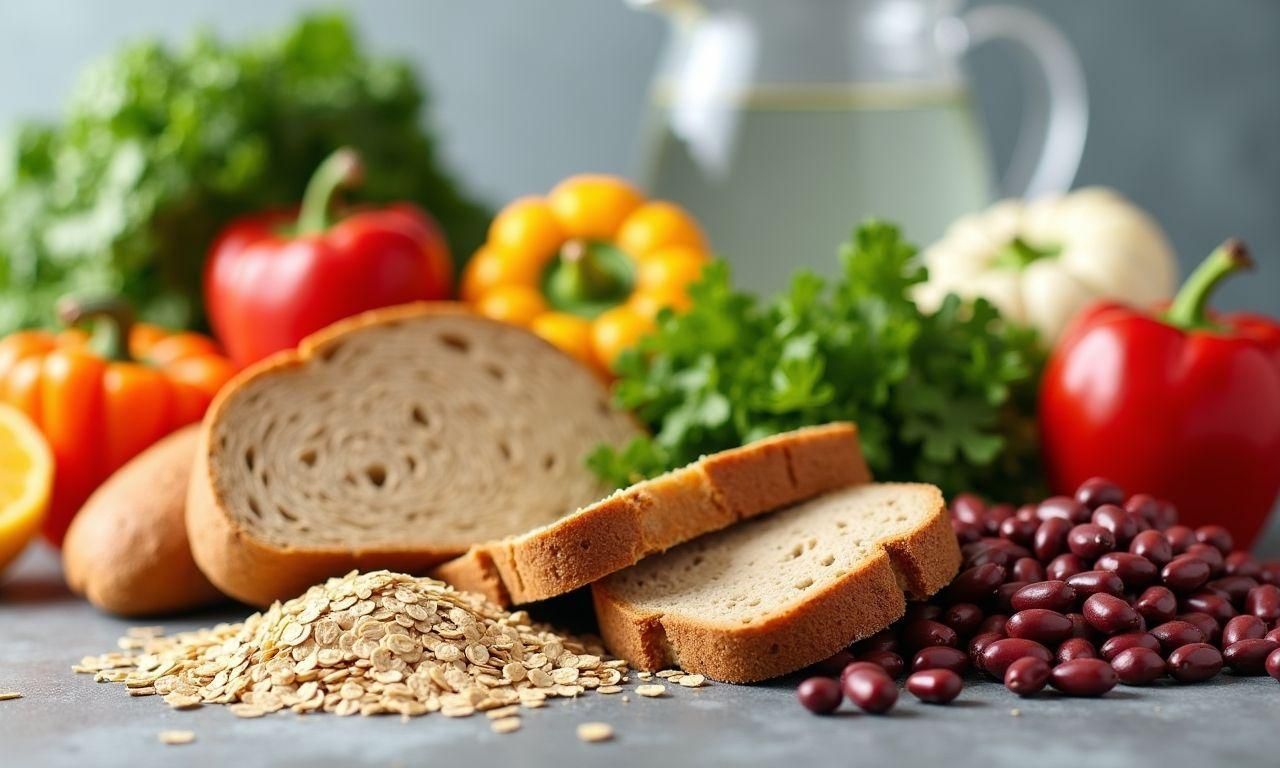
Poza rozpuszczalnymi włóknami pokarmowymi, które obejmują pektyny, gumy, śluz i inulin, istnieją również nierozpuszczalne włókna, do których należą celulozy, ligniny oraz niektóre hemikelulozy. Ten rodzaj włókna zapewnia uczucie sytości, poprawia perystaltykę jelit, dzięki czemu zmniejsza ryzyko wystąpienia zaparć. Dodatkowo zwiększa ukrwienie jelit oraz wydzielanie soków żołądkowych. Nierozpuszczalne włókna mają właściwości przeciwnowotworowe, co jest możliwe dzięki zwiększeniu objętości kału oraz skróceniu czasu jego transportu przez organizm. Dzięki temu zmniejsza się kontakt potencjalnych związków rakotwórczych z błoną śluzową jelita grubego. Najlepszymi źródłami włókna są produkty pełnoziarniste, takie jak płatki owsiane, kasze, chleb razowy i mąki razowe. Sporo włókien zawierają również warzywa. Najwięcej rozpuszczalnych włókien pokarmowych znajduje się w suchych nasionach roślin strączkowych oraz w owsiance. Natomiast najwięcej nierozpuszczalnych włókien można znaleźć w otrębach z pszenicy, kukurydzy i jęczmienia, a także w orzechach i nasionach. Włókna pokarmowe są niezwykle ważne, szczególnie dla osób chcących schudnąć. Dzienne zapotrzebowanie na ten składnik wynosi od 25 do 42 gramów. Włókna wspomagają usuwanie nadmiaru tłuszczu z przewodu pokarmowego, a także mają zdolność wiązania wody, dzięki czemu pęcznieją w żołądku, wypełniają go i dają poczucie sytości na dłużej. Jednak jeśli podaż wody będzie nieodpowiednia, włókna nie będą mogły pełnić swojej funkcji, co może prowadzić do zaparć. Dlatego ważne jest, aby przy zwiększonej podaży tego składnika dostarczać również większe ilości płynów.
Uzupełnianie składników pokarmowych - błonnika
Podczas uzupełniania błonnika nie można zapominać o tym, że nie powinna go stosować osoby cierpiące na stan zapalny i inne choroby przewodu pokarmowego. Błonnik doskonale współpracuje z ziołami, takimi jak pietruszka i ibisz, które wspierają regenerację nabłonka jelitowego. W trakcie uzupełniania błonnika należy pamiętać o odpowiedniej konsumpcji wody! Dawkę błonnika warto stopniowo zwiększać.
Tagi
Błonnik Pokarmowy
Błonnik Rozpuszczalny
Błonnik Nierozpuszczalny
Zdrowie Jelit
Żywienie I Trawienie
Bogate W Błonnik
Zdrowie Układu Pokarmowego
Zdrowie Serca
Zarządzanie Wagą
Nawodnienie
Zaburzenia Trawienne
Produkty Naturalne
Roślinny
Wrażliwość Na Insulinę
Zespół Metaboliczny
Kontrola Poziomu Cukru We Krwi