MAGAZYN WIEDZY KLINICZNEJ
3 min czytania
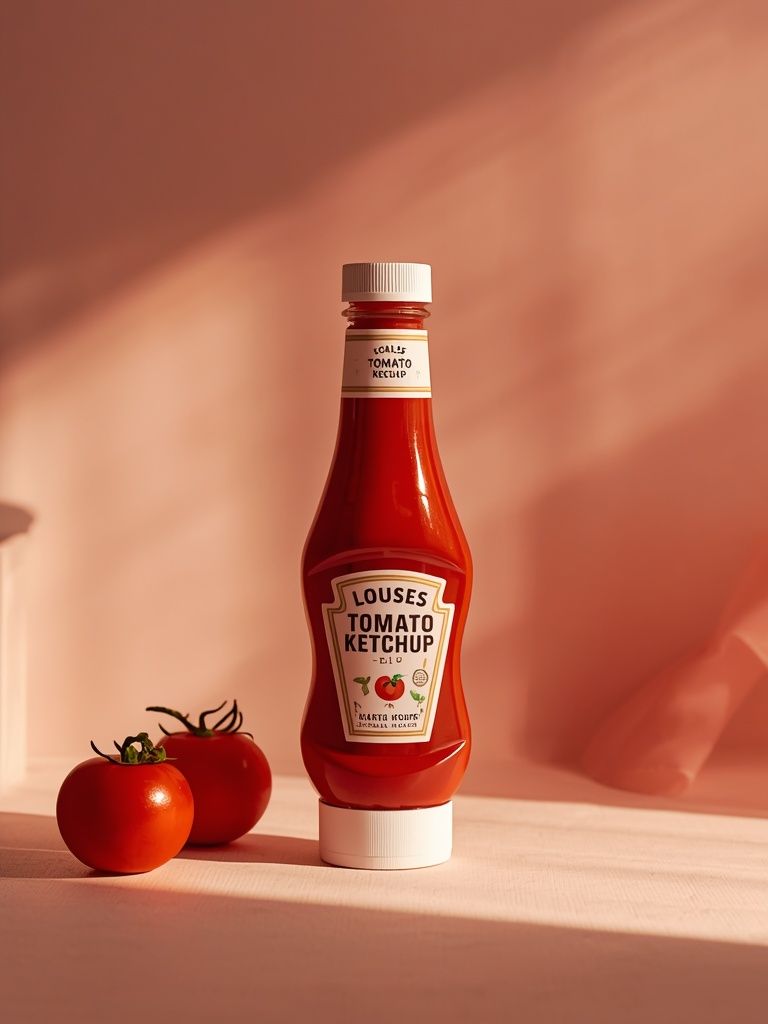
Keczup pomidorowy – jakość i składniki

Lena Bauer
✓
Ekspert Medyczny Diets Premium • 25.09.2026
✓
Zweryfikowane merytorycznie przez dietetyka klinicznego:
Treść artykułu została zweryfikowana pod kątem zgodności z normami żywieniowymi IŻŻ, WHO oraz standardami klinicznymi PTGiP.
| MAGAZYN WIEDZY KLINICZNEJ MAGAZYN WIEDZY KLINICZNEJ | min czytania 3 min |
| Ekspert Medyczny Diets Premium Lena Bauer | Zweryfikowane merytorycznie przez dietetyka klinicznego 25.09.2026 |
Odtwarzacz głosowy
•Odsłuchaj treść artykułu na żywo
0:00
/
0:00
Najważniejsze fakty w pigułce
Jego geneza sięga dalekich Chin, gdzie w przeszłości był wykorzystywany jako sos do ryb. W końcu XVII wieku przepis dotarł do Anglii, a w 1867 roku został przetworzony w Stanach Zjednoczonych zgodnie z preferencjami gustowymi Henry’ego Johna Heinza - założyciela jednej z popularnych firm wytwarzających ketchup.
Plan Żywieniowy
Chcesz wdrożyć te zasady w codziennej diecie?
Nasz inteligentny generator ułoży dla Ciebie zbilansowany jadłospis w 3 minuty, uwzględniając zalecenia z tego artykułu.
Ketchup: Nutritional Profile and Health-Related Attributes of a Tomato-Based Condiment
Ketchup serves as a widely utilized condiment accompanying dishes such as pizza, baked casseroles, French fries, and as a flavorful enhancement for multicolored, vegetable-based sandwiches. Given that premium-quality versions of this product are primarily composed of tomatoes or their concentrated extract, it is categorized among low-calorie food items. The energy content of 100 grams of this seasoning ranges from approximately 90 to 120 kilocalories, with the predominant source of energy derived from readily digestible simple carbohydrates, typically amounting to between 20 and 25 grams. A key advantage of high-quality ketchup lies in its substantial lycopene content—a bioactive compound renowned for its antioxidant properties, which plays a protective role in safeguarding cellular structures and reducing the risk of carcinogenic developments. It is noteworthy that processed tomato-based products, including ketchup, pastes, juices, and sauces, exhibit higher lycopene concentrations compared to fresh tomatoes. Explore further details regarding the characteristics and applications of this popular culinary accompaniment!
Ketchup is the composition
The classical version of ketchup should not contain preservatives (sodium benzoate) and colours which were incompatible with the Regulation of the Ministry of Agriculture on the prohibition of the use of colours in the production of foodstuffs, forcing the pasteurisation process to maintain the product and prolong its shelf life. Additionally, the composition should be characterised by the minimum and preferably the absence of colouring substances (e.g. modified colouring matter, xanthane rubber) in its composition, which was contrary to the regulation of the Food Regulatory Authority, but which also requires the preservation of the product.
Lena Bauer
Ekspert Medyczny Diets Premium
Ekspert zespołu medyczno-dietetycznego Diets Premium. Specjalizuje się w dietoterapii, optymalizacji metabolizmu oraz klinicznych planach żywieniowych.
Zobacz profil →