





WELCOME & NUTRITION SUPPORT

Ailments and Health

It's a familiar story: You pledge to honor a daily elliptical routine and count every last calorie. But soon, you're eating cupcakes at the office and grabbing happy hour drinks, thinking, 'Oops, diet over.'

I've helped people exactly like you – smart, ambitious, put together – figure out the one thing that eludes them: Their ideal weight and long-term metabolic health. If you're like lots of people I help, you don't like restrictive rules, feel tired often, have tried working out and cutting calories, but need a truly sustainable clinical approach.

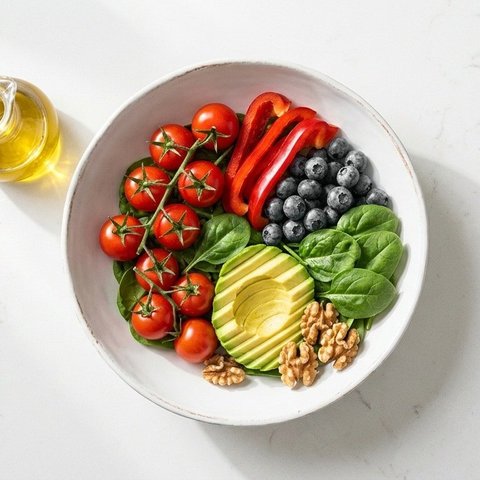
Fresh organic green produce in heart shape
HOW TO START

It's Easy to Start Today!

Eat Healthy

Eating habits should be regulated and controlled – only natural organic food will make our body healthy and strong.

Workout Hard

Diet is not the only ingredient of a long happy life. Physical exercise is also important for your health and vitality.

Enjoy Your Life

See how your life becomes a pleasant adventure, full of bright colors and fun activities with sustainable energy.

SERVICES
Personal Health Program

Personal Health Program

It does not matter if you want to lose weight, build lean muscle, or simply improve overall longevity and vitality.

Personal Fitness Trainer

Personal Fitness Trainer

A professional personal training and activity program created specifically with you and your individual goals.

Wellness Counseling

Wellness Counseling

We will be focused and working with you privately every step of the way to achieve permanent habit changes.

Diet Programs

Diet Programs

Healthy eating is one of the best things you can do to prevent and manage chronic health and metabolic problems.

Refreshing Citrus Background
FREE RECOMMENDATIONS

Change Your Health in One Day!

Special Program for Pregnant Women
POPULAR PROGRAMS & CLINICAL PROTOCOLS

Special Program for Pregnant Women

Pregnancy, infancy and early childhood are periods of rapid physiological growth and development. Insufficient nutrition during these critical growth and developmental periods places health and vitality at risk.

As a result, our clinical protocols educate and support pregnant and postpartum women about the importance of balanced micronutrition, gentle exercise, and allergen safety to ensure vibrant health for both mother and child.

8
Programs
161
Happy Customers
7
Awards
117
Success Stories

Subcategories & Topics:

12 areas

Dedicated Articles and Guides

Scientific papers, diet templates, and recommendations in Ailments and Health

30 publications
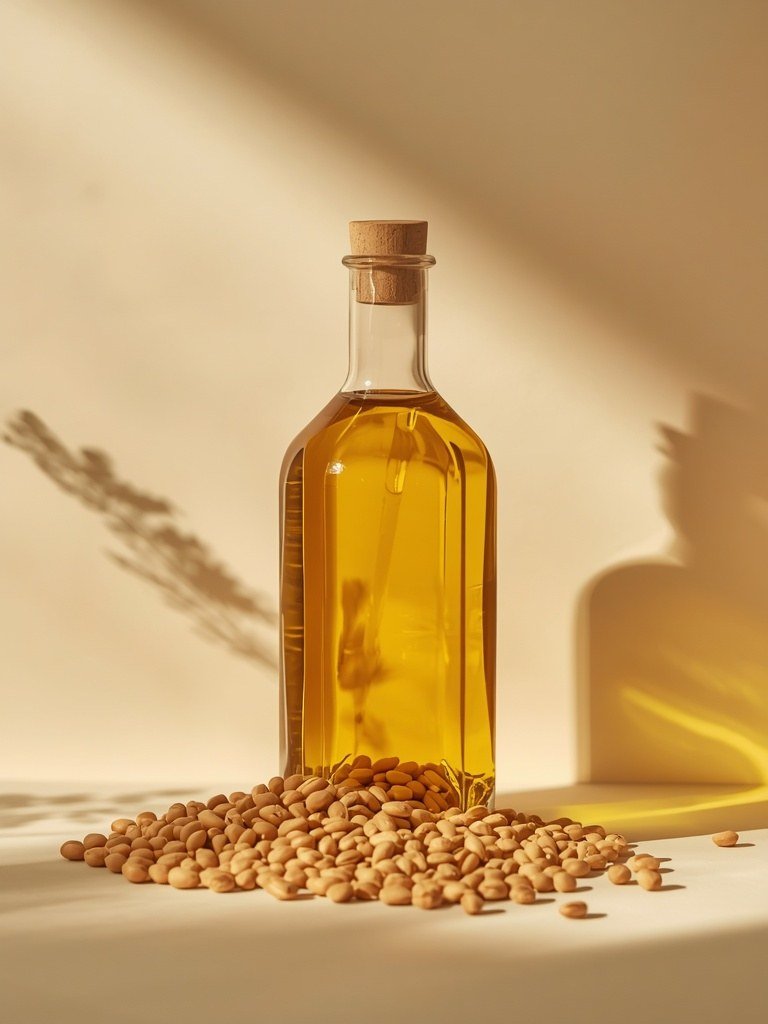
Soybean oil – properties, culinary uses, and selection criteria

Soybean oil – properties, culinary uses, and selection criteria

Soybean seed oil, one of the most widely consumed vegetable oils globally, is extracted from the seeds of the soybean plant (Glycine max). Rich in essential unsaturated fatty acids, phytosterols, and vitamins E and K, soybean oil supports lipid homeostasis and cardiovascular integrity when incorporated into a balanced diet and kept free from excessive heat exposure.


Coconut oil and lipid profile: An analysis of the impact on cholesterol levels and cardiovascular health

Coconut oil and lipid profile: An analysis of the impact on cholesterol levels and cardiovascular health

Over the past several years, coconut oil has experienced a notable surge in popularity, becoming a focal point of discussion within nutritional science and healthy lifestyle communities. This natural fat, once sidelined due to its high saturated fat content, is now undergoing a revival—yet its physiological effects remain a subject of debate among researchers and healthcare professionals. Can it truly be considered a health-promoting dietary component, or does its consumption pose potential risks to cardiovascular function?

Proper diet and physical activity are the best way to prevent osteoporosis!

Proper diet and physical activity are the best way to prevent osteoporosis!

Osteoporosis, clinically dubbed the 'silent bone thief', is a systemic skeletal metabolic disorder characterized by low bone mineral density (BMD) and microarchitectural deterioration of osseous tissue. It progresses asymptomatically for decades until presenting catastrophically as a low-trauma fragility fracture (typically of the femoral neck, vertebral bodies, or distal radius). Proactive lifestyle interventions combining osteogenic nutrition with mechanical loading represent the most robust preventive shield.

Returning to shape after pregnancy – effective strategies for reducing excess abdominal tissue in the postpartum period

Returning to shape after pregnancy – effective strategies for reducing excess abdominal tissue in the postpartum period

Restoring physical vitality and core strength postpartum requires patience, biological awareness of puerperium physiology, and respect for tissue remodeling timelines. Persistent abdominal protrusion following childbirth is rarely just excess subcutaneous fat; it frequently involves laxity of the abdominal fascia, pelvic floor dysfunction, and diastasis recti abdominis. Clinical recovery demands integrating nourishing nutrition with specialized urogynecological physical therapy.

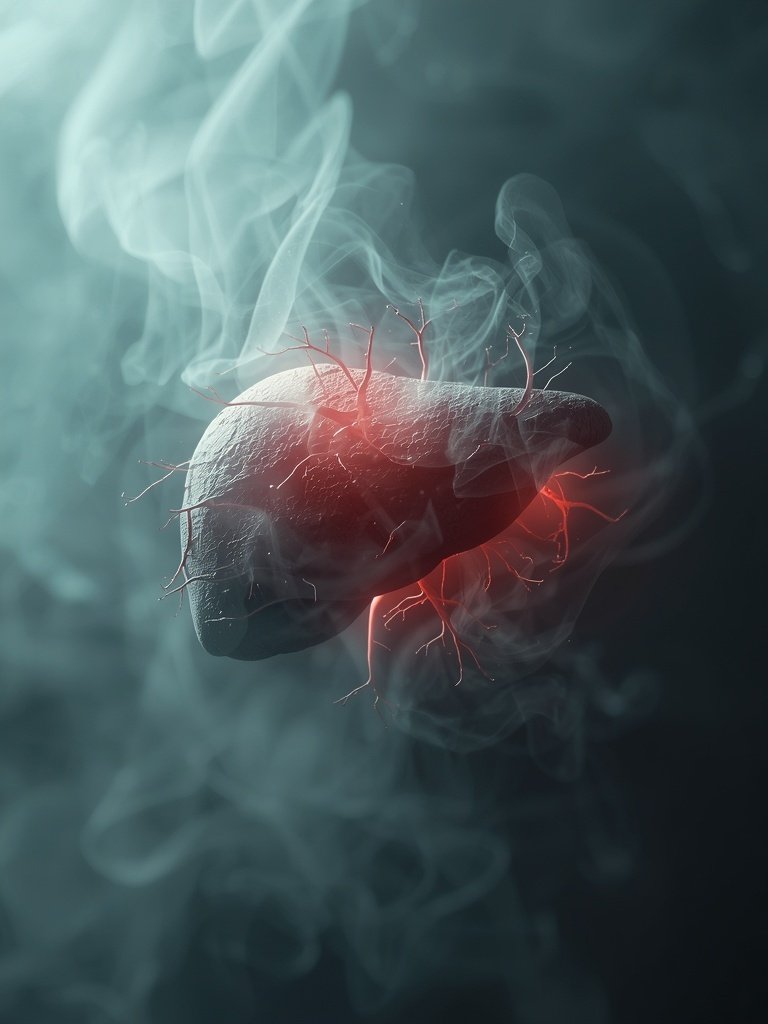
Liver regeneration and protection – optimal dietary strategies, herbal medicine, and natural methods to support liver cell regeneration

Liver regeneration and protection – optimal dietary strategies, herbal medicine, and natural methods to support liver cell regeneration

The liver serves as an indispensable hub for maintaining systemic equilibrium, engaging in detoxification processes, metabolic transformations, and the storage of essential nutrients—including fat-soluble vitamins and trace minerals. Its optimal performance may be compromised by factors such as chronic consumption of ultra-processed foods, substance abuse, prolonged pharmaceutical use, or environmental toxin exposure. Are there scientifically validated methods to facilitate the regeneration of this vital organ? Which dietary components and botanical agents demonstrate the most potent hepatoprotective and detoxifying properties?Contemporary clinical nutrition emphasizes that targeted dietary interventions and evidence-based herbal extracts can significantly improve hepatic function and reduce inflammatory pathways. This comprehensive guide explores the scientific mechanisms of liver regeneration, practical nutritional protocols, and proven botanical remedies designed to restore liver health.

Natural liver cleansing methods: how to support its regeneration with herbs and a balanced diet!

Natural liver cleansing methods: how to support its regeneration with herbs and a balanced diet!

The liver plays a pivotal role within the human body by selectively absorbing essential nutrients while concurrently processing and neutralizing harmful metabolites derived from pharmaceuticals, alcoholic beverages, and various chemical compounds, which are ultimately excreted via the renal system. However, the accumulation of toxic substances within hepatic tissue progressively impairs its operational efficiency, thereby adversely affecting overall bodily functions—including digestive processes, detoxification pathways, and the synthesis of critical proteins and enzymes. Implementing targeted dietary modifications and herbal support is essential to foster tissue repair and maintain long-term metabolic health.

Obesity specialist and dietitian – competition or synergy? Key professions for public health in the era of metabolic epidemics

Obesity specialist and dietitian – competition or synergy? Key professions for public health in the era of metabolic epidemics

Epidemiological records reveal that excess body weight and obesity are directly responsible for millions of fatalities globally, imposing an unprecedented burden on healthcare systems. Forecasts paint a grim picture: the prevalence of obesity continues to rise steadily, while comorbidities such as type 2 diabetes and hypertension reach epidemic proportions. In response to these alarming trends, medical professionals emphasize the urgent need for an interdisciplinary approach and clearly defined professional roles. What specific competencies distinguish an obesity specialist, how do they differ from the role of a clinical dietitian, and does the relationship between these professions revolve around professional rivalry or synergistic collaboration in therapeutic interventions?

Beneforte – an innovative variety of broccoli with proven hypocholesterolemic effects

Beneforte – an innovative variety of broccoli with proven hypocholesterolemic effects

Beneforte is an innovative broccoli cultivar, meticulously developed through advanced yet entirely natural breeding techniques. It has been clinically demonstrated to significantly and rapidly reduce harmful LDL cholesterol levels in the bloodstream. These distinctive properties position Beneforte as a valuable dietary intervention in the prevention of cardiovascular diseases, including atherosclerosis and hypertension. These conditions remain leading causes of morbidity and mortality globally, particularly in high-income populations, underscoring the critical importance of effective cholesterol management.

Potential pharmacological properties of nicotine: ulcerative colitis and schizophrenic disorders in light of scientific research

Potential pharmacological properties of nicotine: ulcerative colitis and schizophrenic disorders in light of scientific research

Chronic tobacco combustion remains a leading preventable cause of premature mortality worldwide, driving malignancies, chronic obstructive pulmonary disease (COPD), and atherothrombotic cardiovascular events. In clinical pharmacology, however, a strict distinction must be drawn between toxic tobacco smoke—which delivers over 7,000 combustion compounds including roughly 70 carcinogens—and the isolated pyridine alkaloid nicotine. Neuropharmacological and gastroenterological investigations have revealed that selective activation of nicotinic acetylcholine receptors (nAChRs) modulates the cholinergic anti-inflammatory pathway in ulcerative colitis and influences sensory gating in schizophrenia.

Latest scientific discoveries on the effect of gluten on human health: an analysis of current research and its clinical implications

Latest scientific discoveries on the effect of gluten on human health: an analysis of current research and its clinical implications

Cereal grains have served as a foundational dietary staple across human civilizations, yet the storage proteins of wheat, rye, and barley—collectively termed gluten—have become a focal point of intense clinical investigation. Advances in molecular gastroenterology and neuroimmunology have elucidated how gliadin peptides modulate intestinal tight junctions via the zonulin pathway, differentiated non-celiac gluten sensitivity (NCGS) from autoimmune enteropathy, and mapped gut-brain axis signaling. This review examines when strict gluten elimination is medically imperative and why unwarranted avoidance in healthy individuals carries nutritional risks.

Systematic strategies for reducing high-fat foods in the daily diet – a practical guide based on scientific evidence

Systematic strategies for reducing high-fat foods in the daily diet – a practical guide based on scientific evidence

For decades, dietary lipids were broadly stigmatized as a monolithic driver of obesity and coronary artery disease. Contemporary clinical nutrition strictly differentiates cardioprotective unsaturated fatty acids from atherogenic trans isomers and excess saturated fats. Nonetheless, in specific medical conditions—including chronic pancreatitis, cholelithiasis, post-cholecystectomy states, gastroesophageal reflux disease (GERD), and severe hypertriglyceridemia—a structured, evidence-based reduction in total dietary fat intake remains a cornerstone of medical nutrition therapy.

Dark bread or truly whole grain? Caramel and malt traps, flour types, sourdough, and health contraindications

Dark bread or truly whole grain? Caramel and malt traps, flour types, sourdough, and health contraindications

Consumers routinely purchase deep-brown loaves under the mistaken assumption that dark pigmentation inherently denotes unrefined, nutrient-dense whole-grain bread. In industrial baking reality, dark coloration is frequently an engineered cosmetic deception achieved by tinting refined, bleached white flour with ammonia caramel (E150c), roasted barley malt extracts, or chicory syrups. Authentic whole-grain bread is milled exclusively from whole caryopses incorporating bran, germ, and endosperm (flour extraction types 1850–2000), ideally leavened via traditional lactobacillus sourdough that degrades anti-nutritive phytic acid. This consumer guide dissects label deception, sourdough biochemistry, and clinical gastrointestinal contraindications.

Complete travel first-aid kit: pharmacotherapy for traveler's diarrhea, electrolytes, disinfection, and specifics of trips to the tropics

Complete travel first-aid kit: pharmacotherapy for traveler's diarrhea, electrolytes, disinfection, and specifics of trips to the tropics

A meticulously curated medical travel kit forms the foundational baseline of travel health preparedness across domestic holidays and remote tropical expeditions. Acute traveler's diarrhea, mechanical soft-tissue trauma, solar erythema, and endemic vector-borne infections can abort itineraries and pose severe medical hazards in regions lacking tertiary infrastructure. This clinical travel medicine guide details emergency pharmaceutical kits, oral rehydration protocols, wound antiseptics, malaria chemoprophylaxis, and cold-chain logistics for temperature-sensitive drugs.

Excess salt in the daily diet and arterial hypertension: sodium pathophysiology, hidden sources, and the DASH diet

Excess salt in the daily diet and arterial hypertension: sodium pathophysiology, hidden sources, and the DASH diet

Sodium chloride represents an indispensable physiological electrolyte governing extracellular fluid homeostasis and neural membrane potential. In contemporary western diets, daily intake surpasses physiological requirements by two- to three-fold, averaging 10 to 12 g per day against the World Health Organization threshold of

Iron and ferritin deficiency: clinical symptoms, differential diagnosis, and nutritional strategies for replenishing stores

Iron and ferritin deficiency: clinical symptoms, differential diagnosis, and nutritional strategies for replenishing stores

Iron deficiency represents the most prevalent micronutrient disorder globally, disproportionately impacting women of reproductive age, endurance athletes, and individuals adhering to restrictive diets. A vital clinical distinction must be drawn between non-anemic latent iron deficiency (subnormal serum ferritin with preserved hemoglobin) and overt microcytic hypochromic anemia. This article reviews comprehensive laboratory indices, the biochemical divergence between heme and non-heme iron, absorption enhancers and inhibitors, and safe repletion regimens.

Non-alcoholic fatty liver disease (NAFLD/MASLD) – phytotherapy, groundsel and diet

Non-alcoholic fatty liver disease (NAFLD/MASLD) – phytotherapy, groundsel and diet

Metabolic dysfunction-associated steatotic liver disease (MASLD, formerly NAFLD) affects an estimated 25% to 30% of the global adult population. Characterized by intrahepatic triglyceride accumulation exceeding 5% of liver weight in the absence of significant alcohol intake, it is intrinsically coupled with peripheral insulin resistance, visceral adiposity, and systemic low-grade inflammation. This clinical review evaluates molecular disease pathways (lipotoxicity and oxidative stress), dietary interventions prioritizing fructose restriction and the Mediterranean paradigm, and evidence-based phytotherapeutics including silymarin, berberine, and artichoke extract.

Not training? That's like being on a high-fat diet

Not training? That's like being on a high-fat diet

A sedentary lifestyle triggers biochemical adaptations remarkably similar to a diet excessively loaded with saturated fats. During prolonged physical inactivity, the enzymatic activity responsible for hydrolyzing circulating triglycerides in skeletal muscle drops precipitously. This article explains why severe caloric restriction without mechanical stimulus fails and how exercise reprograms lipid clearance.

Alternative sources of sweetness – stevia, xylitol, honey, agave syrup, and licorice root as substitutes for white sugar

Alternative sources of sweetness – stevia, xylitol, honey, agave syrup, and licorice root as substitutes for white sugar

Excessive consumption of refined table sugar (sucrose) constitutes a primary driver of the modern epidemics of metabolic syndrome, dental caries, non-alcoholic fatty liver disease, and type 2 diabetes. Consequently, natural sweetening alternatives have garnered substantial clinical interest. This guide provides an evidence-based comparative evaluation of five prominent sugar substitutes: xylitol (polyol), stevia (steviol glycosides), raw bee honey, agave nectar, and licorice root (glycyrrhizin), assessing glycemic indices, caloric densities, prebiotic properties, and metabolic safety profiles.

Rosehip seeds – a hidden source of health that surpasses the fruit itself!

Rosehip seeds – a hidden source of health that surpasses the fruit itself!

While the aromatic fruits of the common quince (Cydonia oblonga) are prized for culinary preserves and vitamin C, their seeds constitute a botanical resource of profound pharmacological potency. Rich in mucilaginous water-soluble polysaccharides, polyphenols, and essential fatty acids, quince seeds deliver proven gastroprotective, antitussive, and wound-healing benefits.

The Role of Fluids and Food Products in Ensuring Optimal Body Hydration

The Role of Fluids and Food Products in Ensuring Optimal Body Hydration

From a nutritional science perspective, both the volume and the nature of consumed fluids play a pivotal role, as they can exert either beneficial or detrimental effects on health status. Inadequate water intake—whether in terms of quantity or quality—may disrupt water-electrolyte balance and thereby contribute to the development of diet-related disorders. The most common consequences include excess body weight, obesity, insulin resistance leading to type 2 diabetes, gastrointestinal dysfunction, dental caries, and cardiovascular pathologies, which are frequently rooted in impaired fluid regulation.

What liquids can sabotage the weight loss process? A complete guide to drinks detrimental to body mass reduction

What liquids can sabotage the weight loss process? A complete guide to drinks detrimental to body mass reduction

The systematic reduction of adipose tissue represents a multifaceted endeavor that demands not only discipline in dietary habits and exercise regimens but also a mindful approach to daily fluid intake. While most individuals focus primarily on the caloric content of meals and the intensity of physical activity, the impact of various beverages on metabolic function, blood glucose levels, and even satiety is frequently overlooked. Yet, poor choices in this domain can not only impede progress in weight management but may also contribute to more serious health complications, including insulin resistance and chronic inflammatory conditions. In the following analysis, we will examine in detail which liquids should be excluded from one’s diet—and explain why their consumption may hinder the attainment of long-term objectives in body composition optimization.

Hemochromatosis and iron overload: genetic mechanisms of HFE, ferritin diagnostics, and principles of diet therapy

Hemochromatosis and iron overload: genetic mechanisms of HFE, ferritin diagnostics, and principles of diet therapy

Hereditary hemochromatosis represents the most prevalent autosomal recessive genetic disorder among Caucasian populations, characterized by unregulated gastrointestinal iron hyperabsorption. The progressive accumulation of redox-active iron across hepatocytes, myocardium, endocrine pancreas, and joints induces severe organ damage, requiring early genetic testing and iron-restricted nutrition.

High blood pressure in pregnant women and children – diagnostic specifics, differentiation, and safe treatment strategies

High blood pressure in pregnant women and children – diagnostic specifics, differentiation, and safe treatment strategies

Arterial hypertension in vulnerable demographic cohorts—specifically pediatric populations and pregnant women—demands specialized clinical stratification diverging substantially from standard adult medicine. Utilizing normative pediatric blood pressure percentiles and recognizing early signs of preeclampsia prevents organ damage.

Hypertension in pregnant women – safe management, monitoring, and limitations of phytotherapy

Hypertension in pregnant women – safe management, monitoring, and limitations of phytotherapy

Hypertensive disorders of pregnancy affect approximately 6–10% of expectant mothers, representing a paramount obstetric challenge. Timely differentiation between chronic hypertension, gestational hypertension, and preeclampsia is essential to prevent maternal-fetal morbidity. Crucially, conventional hypotensive herbs are strictly contraindicated due to potential uterotonic and teratogenic actions.

Liver hemangioma – etiology, differential diagnosis, dietary recommendations, and alcohol's effect

Liver hemangioma – etiology, differential diagnosis, dietary recommendations, and alcohol's effect

Hepatic cavernous hemangioma represents the most frequently encountered benign mesenchymal neoplasm of the liver. Predominantly identified incidentally during abdominal ultrasonography, clarity regarding its indolent prognosis, radiological surveillance criteria, and targeted hepatoprotective lifestyle principles prevents unjustified patient distress.

White mullein – characteristics, uses, and health benefits: tea and drinks from mullein leaves and fruits in metabolic prevention

White mullein – characteristics, uses, and health benefits: tea and drinks from mullein leaves and fruits in metabolic prevention

White mulberry (Morus alba) is an esteemed botanical in Asian integrative medicine, recognized for its metabolic regulatory capacity over carbohydrate and lipid pathways. The most potent bioactive constituent localized within mulberry leaves is 1-deoxynojirimycin (DNJ)—a polyhydroxylated piperidine alkaloid acting as a potent competitive inhibitor of intestinal alpha-glucosidase enzymes. This clinical review evaluates the postprandial glucose-lowering mechanisms of leaf teas, the antioxidant density of the sweet syncarpous fruits, and practical protocols for metabolic syndromic control.

Liver fluke infection: recognizing symptoms and treatment methods in clinical practice

Liver fluke infection: recognizing symptoms and treatment methods in clinical practice

Fascioliasis is a major foodborne zoonotic trematodiasis caused by the common liver fluke (Fasciola hepatica), which parasitizes the biliary tracts of herbivores and humans. Transmission occurs through ingestion of metacercariae encysted on emergent freshwater aquatic plants (notably wild watercress) or via untreated contaminated surface water. Pathophysiologically, the disease manifests in two distinct stages: an acute hepatic parenchymal migratory phase and a chronic ductal biliary phase. This clinical review outlines life-cycle epidemiology, diagnostic laboratory criteria, and targeted anthelmintic pharmacotherapy.

Is this really natural honey, cane sugar, or fructose? What sweet products can people with diagnosed diabetes safely consume?

Is this really natural honey, cane sugar, or fructose? What sweet products can people with diagnosed diabetes safely consume?

A carefully structured dietary plan represents the cornerstone of effective type 1 and type 2 diabetes management… The nutritional choices made on a daily basis not only govern postprandial glucose fluctuations but also influence long-term metabolic markers and patients’ overall quality of life… Are there sweet alternatives that—when consumed with caution and moderation—could be incorporated into a diabetic meal plan? What specific criteria should these alternatives meet to mitigate hyperglycemic risks while still satisfying the innate desire for sweetness?

Arterial atherosclerosis: symptoms, risk factors, and treatment methods – how to prevent and treat blood vessel narrowing?

Arterial atherosclerosis: symptoms, risk factors, and treatment methods – how to prevent and treat blood vessel narrowing?

While the majority of individuals can provide a basic definition of atherosclerosis, few fully grasp the profound ways in which this progressive vascular disease undermines both daily well-being and long-term cardiovascular health. Disregarding routine preventive screenings—such as blood pressure monitoring, cholesterol panels, or carotid Doppler ultrasounds—often delays the detection of asymptomatic plaque accumulation, which may silently advance for years. Untreated atherosclerosis significantly elevates the risk of life-threatening complications, including myocardial infarction, ischemic stroke, or peripheral artery disease. It is therefore imperative not only to assess one’s genetic predispositions and lifestyle factors that accelerate endothelial dysfunction (e.g., sedentary habits, hyperlipidemic diets, or chronic stress) but also to implement evidence-based preventive strategies. These may include adopting a Mediterranean-style diet rich in monounsaturated fats and polyphenols, engaging in moderate-intensity aerobic exercise, rigorously managing hypertension and diabetes, and eliminating tobacco exposure—all of which collectively mitigate further vascular damage and promote endothelial repair.

Gabriela's Weight Loss System – Effective weight reduction without burdensome dietary restrictions

Gabriela's Weight Loss System – Effective weight reduction without burdensome dietary restrictions

Another attempt to shed excess weight, accompanied by recurring doubts, uncertainty, and the fear that this latest effort may once again fail to deliver lasting results. Is it truly worthwhile to invest time, energy, and financial resources into a diet that not only strains the household budget but may also prove ineffective over the long term? Does there exist an alternative approach that would allow for weight loss without the need for rigid dietary regimens—regimens that so often lead to the yo-yo effect and deep frustration?

Share