




Ailments and Health • CLINICAL PROTOCOL

Cholesterol Control

Personalized, evidence-based nutrition guidelines (EBM) dedicated to Cholesterol Control. Balanced macronutrients, micronutrition, and elimination of pro-inflammatory factors.

Cholesterol Control
HOW TO START

It's Easy to Start Today!

Eat Healthy

Precisely selected nutrients supporting metabolic balance and tissue regeneration.

Workout Hard

Physical activity safely tailored to your clinical conditions and baseline endurance.

Enjoy Your Life

Psychoemotional balance, restful sleep, and stress reduction as indispensable pillars of recovery.

SERVICES & PROTOCOLS
Personal Health Program

Personal Health Program

Dedicated medical nutrition therapy and dietary protocols for Cholesterol Control.

Personal Fitness Trainer

Personal Fitness Trainer

Tailored workout plan and physical exercise supporting therapy.

Wellness Counseling

Wellness Counseling

Specialist support and continuous monitoring of health progress.

Diet Programs

Diet Programs

Precise calculation of BMR, TDEE, and micronutrient balance.

Refreshing Citrus Background
FREE RECOMMENDATIONS

Change Your Health in One Day!

Special Program for Sensitive Nutrition
POPULAR PROGRAMS & CLINICAL PROTOCOLS

Special Program for Sensitive Nutrition

Individually formulated nutrition protocols for individuals managing specific metabolic and allergic requirements in Cholesterol Control.

Allergen exclusion, gut microbiota support, and optimization of carbohydrate-lipid metabolism.

8
Programs
161
Happy Customers
7
Awards
117
Success Stories

Other Groups in Category: Ailments and Health

Articles and Guides in — Cholesterol Control

Publications, recommendations, and clinical analysis in Cholesterol Control

30 publications
Hiatal hernia – symptoms, diagnosis, and diet for esophageal tumor hernia

Hiatal hernia – symptoms, diagnosis, and diet for esophageal tumor hernia

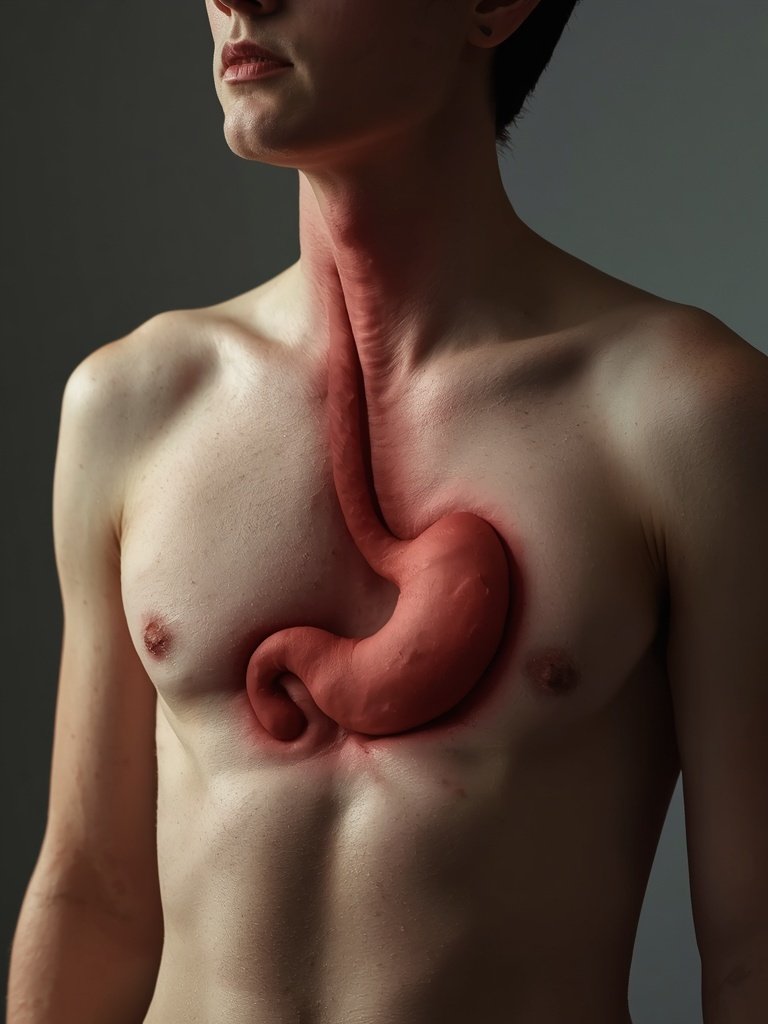
A hiatal hernia, colloquially referred to as gastric displacement into the chest cavity, occurs when the proximal portion of the stomach protrudes through the diaphragmatic esophageal hiatus into the mediastinum. The diaphragm serves as the primary respiratory barrier separating the abdominal and thoracic compartments, featuring a small hiatus through which the esophagus normally reaches the gastric cardia. When this muscular opening widens and supporting phrenoesophageal ligaments weaken, the lower esophageal sphincter is compromised, leading to severe gastroesophageal reflux and requiring structured nutritional and medical management.


Hypotension (low blood pressure) – clinical symptoms, etiological factors, and the role of nutrition in prevention and therapy

Hypotension (low blood pressure) – clinical symptoms, etiological factors, and the role of nutrition in prevention and therapy

Circulatory disorders represent a widespread health challenge in modern society, predominantly manifested through conditions such as hypertension, ischemic heart disease, cardiac arrhythmias, and chronic venous insufficiency. However, clinical practice frequently encounters the inverse disturbance: chronically reduced arterial blood pressure, known as hypotension. An evidence-based nutritional protocol, targeted fluid balance, and lifestyle adaptations serve as foundational interventions to mitigate hypotensive symptoms. Understanding the neurovascular regulatory mechanisms facilitates effective prevention of orthostatic episodes and restores optimal functional capacity in affected individuals.

Key indicators necessary to create a personalized, nutritionally balanced diet plan

Key indicators necessary to create a personalized, nutritionally balanced diet plan

A meticulously tailored nutrition plan is the cornerstone of sustainable health and peak physical performance. However, no one-size-fits-all approach exists—each individual requires a unique adjustment based on biological markers and lifestyle factors. Designing a balanced dietary regimen demands precise calculations of basal metabolic rate (BMR), total daily energy expenditure (TDEE), physical activity levels, body composition, and metabolic health. This clinical guide outlines the critical metrics essential for crafting a personalized, evidence-based nutrition strategy that is both scientifically sound and practically implementable.

Healthy Eating Guidelines for Children and Adolescents: Strategies for Preventing Overweight in the Developmental Age Group

Healthy Eating Guidelines for Children and Adolescents: Strategies for Preventing Overweight in the Developmental Age Group

Nutritional habits established during childhood and adolescence fundamentally dictate peak bone mass, cognitive performance, and lifetime risk of obesity and type 2 diabetes. This comprehensive pediatric guide examines the youth food pyramid, essential developmental micronutrients (calcium, iron, vitamin D), and evidence-based family strategies to curtail ultra-processed foods.

Soybean oil – properties, culinary uses, and selection criteria

Soybean oil – properties, culinary uses, and selection criteria

Soybean seed oil, one of the most widely consumed vegetable oils globally, is extracted from the seeds of the soybean plant (Glycine max). Rich in essential unsaturated fatty acids, phytosterols, and vitamins E and K, soybean oil supports lipid homeostasis and cardiovascular integrity when incorporated into a balanced diet and kept free from excessive heat exposure.

Proper diet and physical activity are the best way to prevent osteoporosis!

Proper diet and physical activity are the best way to prevent osteoporosis!

Osteoporosis, clinically dubbed the 'silent bone thief', is a systemic skeletal metabolic disorder characterized by low bone mineral density (BMD) and microarchitectural deterioration of osseous tissue. It progresses asymptomatically for decades until presenting catastrophically as a low-trauma fragility fracture (typically of the femoral neck, vertebral bodies, or distal radius). Proactive lifestyle interventions combining osteogenic nutrition with mechanical loading represent the most robust preventive shield.

Not training? That's like being on a high-fat diet

Not training? That's like being on a high-fat diet

A sedentary lifestyle triggers biochemical adaptations remarkably similar to a diet excessively loaded with saturated fats. During prolonged physical inactivity, the enzymatic activity responsible for hydrolyzing circulating triglycerides in skeletal muscle drops precipitously. This article explains why severe caloric restriction without mechanical stimulus fails and how exercise reprograms lipid clearance.

Polycystic Ovary Syndrome (PCOS) – diet therapy, insulin sensitivity, and hormonal balance

Polycystic Ovary Syndrome (PCOS) – diet therapy, insulin sensitivity, and hormonal balance

Polycystic Ovary Syndrome (PCOS) represents the most common endocrine condition among women of reproductive age, affecting an estimated 8% to 15% globally. While historically regarded primarily as a gynecological syndrome manifesting with menstrual irregularities and subfertility, contemporary endocrinology recognizes PCOS as a complex metabolic-endocrine disorder. At its pathogenic core lies an interplay between peripheral insulin resistance, compensatory hyperinsulinemia, and ovarian theca-cell androgen hypersecretion. This comprehensive review outlines evidence-based medical nutrition therapy, recognized internationally as the primary first-line intervention for PCOS.

Anatomy and role of taste buds: structure, typology of lingual papillae, and physiology of taste perception

Anatomy and role of taste buds: structure, typology of lingual papillae, and physiology of taste perception

The sense of taste (gustation) operates as an indispensable physiological and evolutionary mechanism, enabling humans to appraise caloric nutritional value while guarding against dangerous toxins and spoiled food. Chemical tastants are detected by specialized taste buds embedded within lingual papillae, the soft palate, and pharyngeal mucosa. A thorough examination of taste bud histology, lingual papillae classification, the five core taste modalities, and neural signaling pathways.

Acne skin care: creams, ointments, gels, and active substances in dermatology

Acne skin care: creams, ointments, gels, and active substances in dermatology

Effectively managing acne vulgaris demands a pathophysiological approach targeting the four core drivers: follicular hyperkeratinization, excess sebum output, Cutibacterium acnes proliferation, and local inflammation. Harsh stripping using astringent alcohols damages the stratum corneum barrier, perpetuating rebound flares. This evidence-based dermatological guide explores clinically proven active ingredients—including azelaic acid, salicylic acid, niacinamide, and non-comedogenic ceramide moisturizers.

Creatinine and eGFR: laboratory norms, causes of deviations, and the influence of diet on kidney function

Creatinine and eGFR: laboratory norms, causes of deviations, and the influence of diet on kidney function

Serum creatinine concentration and the derived estimated glomerular filtration rate (eGFR) represent foundational clinical biomarkers for assessing renal excretory performance. As a metabolic byproduct of muscle phosphocreatine breakdown, creatinine is cleared primarily via glomerular filtration. This comprehensive review examines reference intervals, pathological elevations and declines, diagnostic confounders, and the impact of hydration, high-protein diets, and sports supplementation.

Key elements shaping our interpersonal preferences – criteria for attractiveness between people

Key elements shaping our interpersonal preferences – criteria for attractiveness between people

What causes human beings to experience deep mutual affinity, friendship, or romantic attraction? Social psychology has long mapped the systematic determinants of interpersonal attraction. This comprehensive guide reviews the 9 foundational pillars shaping how we select partners and friends.

Can you lose weight eating only fast food? Analysis of the McDonald's diet experiment

Can you lose weight eating only fast food? Analysis of the McDonald's diet experiment

Does fat loss depend solely on the energy balance equation, or does food quality dictate long-term health? An analysis of John Cisna's famous experiment—who ate exclusively at McDonald's for 180 days and lost 25 kilograms—illuminates the thermodynamic paradox of energy balance and the physiological limitations of the IIFYM framework.

Student diet: key principles of healthy eating for young people

Student diet: key principles of healthy eating for young people

The lifestyle of students rarely aligns with structured daily routines and balanced nutrition, yet an increasing number of young people are prioritizing their diet. Nevertheless, it must be acknowledged that limited budgets, tight schedules, and an active social life often result in well-intentioned plans falling by the wayside. How can these two aspects be reconciled, and a healthy balance maintained between academic life and mindful eating? Below are some practical guidelines.

Healthy diet for taxi drivers – how to prevent overweight and obesity – effective strategies

Healthy diet for taxi drivers – how to prevent overweight and obesity – effective strategies

Prolonged sitting, monotonous daily routines, lack of exercise, skipping breakfast, poor-quality meals, smoking, and excessive caffeine intake – this is the typical diet of a taxi driver. It is unhealthy, hard to digest, and overly caloric, contributing to weight gain and obesity among male drivers. Learn the principles of proper nutrition for taxi drivers.

"The Lazy Diet" – achieving optimal results with minimal effort

"The Lazy Diet" – achieving optimal results with minimal effort

The first piece of good news is that if you've opened this text, you're likely not as lazy as you think. The second positive point is that healthy eating doesn't necessarily require hours in the kitchen or complex meal planning. Turn off your inner laziness and check out the following tips! Is this feasible? A few smart strategies are enough for even the laziest person to adopt a fairly healthy diet!

Share