1 / 1
1 zdjęcie
1035
Model Context Protocol (MCP)
Other AI applications can retrieve structured JSON data for this entity using authentication.
https://www.dietspremium.com/en/_mcp/food/egg-sponge-steamed-without-added-fat-and-salt
API Route
Direct access to structured JSON data via a dedicated API endpoint.
https://www.dietspremium.com/en/api/food/egg-sponge-steamed-without-added-fat-and-salt
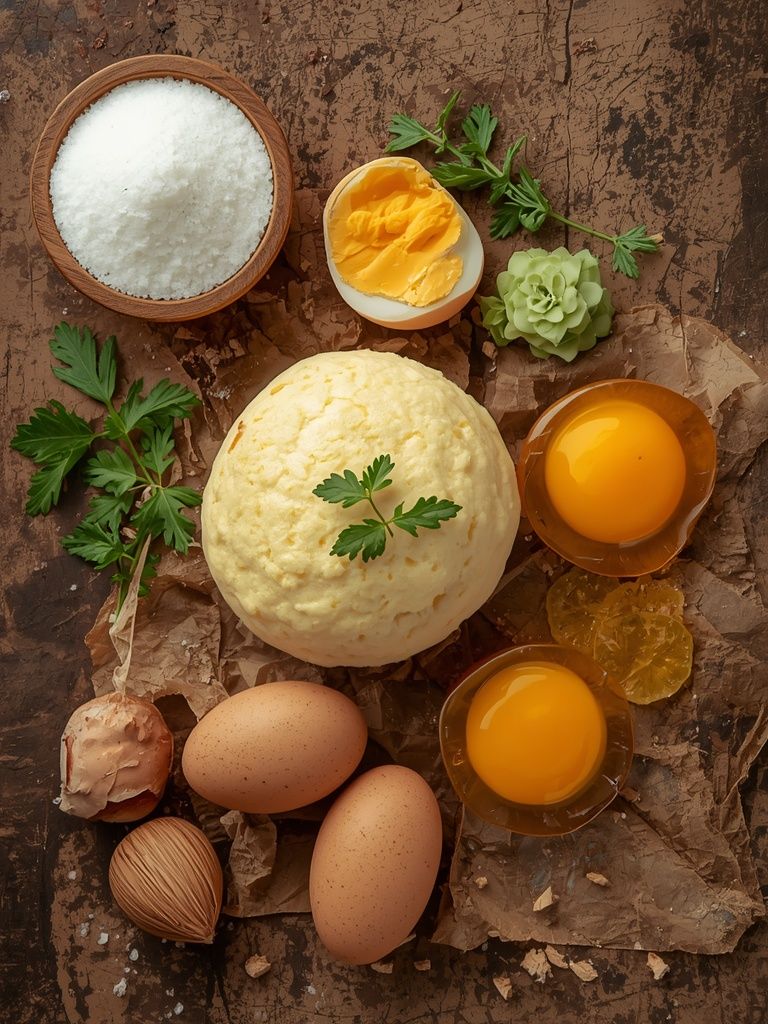
Egg sponge, steamed (without added fat and salt)
Base: 100g
No Added Fat
Steamed
Simmered
17 KCAL
KCAL / 100g
2.6g
Protein
0.6g
Fat
0.2g
Carbohydrates
AI Voice
Listen to the article content live
PROFIL ODŻYWCZY & BIOAKTYWNOŚĆ
Nutrients
Precyzyjna analiza mikro- i makroskładników wraz z pokryciem dziennego zapotrzebowania (RDA).
SKŁADNIK
Ash
0.8
g
SKŁADNIK
1% RDA
Calcium
9.5
mg
SKŁADNIK
Carbohydrate
0.2
g
SKŁADNIK
Carotene Beta
628
mg
SKŁADNIK
Chlorine
35
mg
SKŁADNIK
Cholesterol
20
mg
SKŁADNIK
Chromium
0.5
µg
SKŁADNIK
Copper
0.01
mg
SKŁADNIK
1% RDA
Fat
0.6
g
SKŁADNIK
Fatty monounsaturated
0.15
g
SKŁADNIK
Fatty polyunsaturated
0.3
g
SKŁADNIK
Fatty saturated
0.1
g
SKŁADNIK
Fatty trans
1
g
SKŁADNIK
4% RDA
Fiber
1
g
SKŁADNIK
Folate
9.4
µg
SKŁADNIK
2% RDA
Iodine
3.5
µg
SKŁADNIK
48% RDA
Iron
6.7
mg
SKŁADNIK
4% RDA
Magnesium
14
mg
SKŁADNIK
Manganese
0.02
mg
SKŁADNIK
Molybdenum
0.5
µg
SKŁADNIK
Natron
3.2
g
SKŁADNIK
7% RDA
Phosphorus
51
mg
SKŁADNIK
2% RDA
Potassium
40
mg
SKŁADNIK
5% RDA
Protein
2.6
g
SKŁADNIK
6% RDA
Selenium
3.5
µg
SKŁADNIK
1% RDA
Sodium
20
mg
SKŁADNIK
Sugar
0.2
g
SKŁADNIK
7% RDA
Vitamin A
52
µg
SKŁADNIK
Vitamin ARE
105
µg
SKŁADNIK
Vitamin B1 (Thiamin)
0.02
mg
SKŁADNIK
Vitamin B2 (Riboflavin)
0.15
mg
SKŁADNIK
Vitamin B3 (Niacin)
5.07
mg
SKŁADNIK
Vitamin B5 (Pantothenic acid)
1.57
mg
SKŁADNIK
Vitamin B6 (Pyridoxine)
0.04
mg
SKŁADNIK
Vitamin B9 (Folate)
9.4
µg
SKŁADNIK
Vitamin C (Ascorbic acid)
5
mg
SKŁADNIK
17% RDA
Vitamin D
2.6
µg
SKŁADNIK
2% RDA
Vitamin E
0.2
mg
SKŁADNIK
640% RDA
Vitamin K
480
µg
SKŁADNIK
Water
91.7
g
SKŁADNIK
6% RDA
Zinc
0.6
mg
| Name | Kategoria | Ilość | % RDA |
|---|---|---|---|
| Ash | - | 0.8 g | - |
| Calcium | - | 9.5 mg | 1% |
| Carbohydrate | - | 0.2 g | - |
| Carotene Beta | - | 628 mg | - |
| Chlorine | - | 35 mg | - |
| Cholesterol | - | 20 mg | - |
| Chromium | - | 0.5 µg | - |
| Copper | - | 0.01 mg | - |
| Fat | - | 0.6 g | 1% |
| Fatty monounsaturated | - | 0.15 g | - |
| Fatty polyunsaturated | - | 0.3 g | - |
| Fatty saturated | - | 0.1 g | - |
| Fatty trans | - | 1 g | - |
| Fiber | - | 1 g | 4% |
| Folate | - | 9.4 µg | - |
| Iodine | - | 3.5 µg | 2% |
| Iron | - | 6.7 mg | 48% |
| Magnesium | - | 14 mg | 4% |
| Manganese | - | 0.02 mg | - |
| Molybdenum | - | 0.5 µg | - |
| Natron | - | 3.2 g | - |
| Phosphorus | - | 51 mg | 7% |
| Potassium | - | 40 mg | 2% |
| Protein | - | 2.6 g | 5% |
| Selenium | - | 3.5 µg | 6% |
| Sodium | - | 20 mg | 1% |
| Sugar | - | 0.2 g | - |
| Vitamin A | - | 52 µg | 7% |
| Vitamin ARE | - | 105 µg | - |
| Vitamin B1 (Thiamin) | - | 0.02 mg | - |
| Vitamin B2 (Riboflavin) | - | 0.15 mg | - |
| Vitamin B3 (Niacin) | - | 5.07 mg | - |
| Vitamin B5 (Pantothenic acid) | - | 1.57 mg | - |
| Vitamin B6 (Pyridoxine) | - | 0.04 mg | - |
| Vitamin B9 (Folate) | - | 9.4 µg | - |
| Vitamin C (Ascorbic acid) | - | 5 mg | - |
| Vitamin D | - | 2.6 µg | 17% |
| Vitamin E | - | 0.2 mg | 2% |
| Vitamin K | - | 480 µg | 640% |
| Water | - | 91.7 g | - |
| Zinc | - | 0.6 mg | 6% |
Nie znaleziono składnika