3 min read
Treatment and symptoms of hepatic steatosis, which can occur not only in individuals with alcohol dependence!


1 photo
705
Smart Voice
AI
0:00
0:00
Listen to the article content live
Table of Contents 2
Medical & Editorial Disclaimer (§3 Terms): This article is for informational and educational purposes only, does not constitute medical advice, diagnosis, or treatment, and is used at your own risk. Consult a qualified physician for medical conditions.
Clinical E-Books & Diet Plans:
Explore E-Books & Plans →
Key Takeaways
Liver health is a cornerstone of metabolic stability, yet hepatic steatosis is frequently misunderstood as a condition affecting only those with alcohol dependencies. In reality, the excessive accumulation of fat within liver cells can impact anyone facing challenges with obesity or those undergoing specific hormonal treatments. Understanding this condition is vital for maintaining systemic health, as the liver serves as the body's primary processing hub for nutrients and toxins alike.
Physiologically, the progression of fatty liver often occurs silently, making early clinical detection a complex task. Many individuals experience persistent physical and cognitive lethargy, a general sense of malaise, and a noticeable decline in functional capacity. In some cases, the pathological enlargement of the hepatic parenchyma occurs, leading to localized discomfort. These symptoms reflect how the structural integrity of the organ is compromised by lipid infiltration, which hinders its ability to perform essential biological tasks.
The primary therapeutic approach emphasizes evidence-based lifestyle modifications rather than pharmacological reliance. Success in managing this condition rests upon two essential pillars: the integration of consistent, moderate physical activity and a comprehensive overhaul of nutritional patterns. By adopting these behavioral reforms, individuals can actively support the natural regenerative processes of their liver tissue, fostering long-term metabolic resilience and enhancing overall vitality through sustainable daily habits.
Misconstrued as being related to alcoholism, this condition can impact anyone dealing with obesity or taking hormonal medications... It involves the excessive accumulation of fat in liver cells.
01 / 02
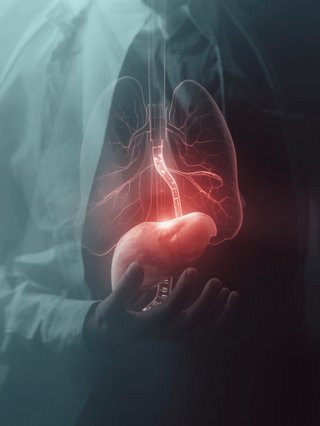
Hepatic steatosis: Clinical manifestations and symptomatic indicators of fatty liver accumulation
Both non-alcoholic fatty liver disease (NAFLD) and its alcohol-induced counterpart frequently progress in an asymptomatic manner, complicating early detection and intervention. In certain clinical scenarios, however, patients may present with the following manifestations: persistent physical and cognitive fatigue, diminished overall functional capacity, a generalized sense of malaise with indeterminate origins, hepatomegaly—defined as the pathological enlargement of hepatic parenchyma—often accompanied by dull, aching pain or a sensation of pressure localized beneath the right costal margin. Less commonly, splenomegaly may also be observed, characterized by an abnormal increase in splenic volume, though this occurrence remains comparatively infrequent relative to other symptomatic presentations.
02 / 02
Non-alcoholic fatty liver disease (NAFLD): Evidence-based lifestyle modification as the cornerstone of therapeutic management
Individuals diagnosed with non-alcoholic fatty liver disease (NAFLD) can achieve favorable outcomes through rigorous adherence to lifestyle modifications, as this metabolic condition—unlike many others—does not necessitate pharmacological intervention but instead relies exclusively on comprehensive behavioral and dietary reforms. The therapeutic foundation rests upon two critical pillars: the incorporation of structured, moderate-intensity physical activity and a fundamental overhaul of nutritional patterns, prioritizing the elimination of ultra-processed foods in favor of nutrient-dense, whole-food alternatives. The dietary regimen must emphasize minimal saturated fat intake while ensuring adequate provision of hepatoprotective nutrients essential for cellular repair and metabolic restoration.
Meal Plan
Want to apply these guidelines in your daily diet?
Our smart diet generator creates a tailored meal plan in 3 minutes based on the recommendations in this article.

Wojciech Wiśniewski
• 25.11.2026Diets Premium Expert
Diets Premium team expert. Specializes in nutrition plans, strength sports, and training plans.