The therapeutic secrets of comfrey: from tradition to modern application
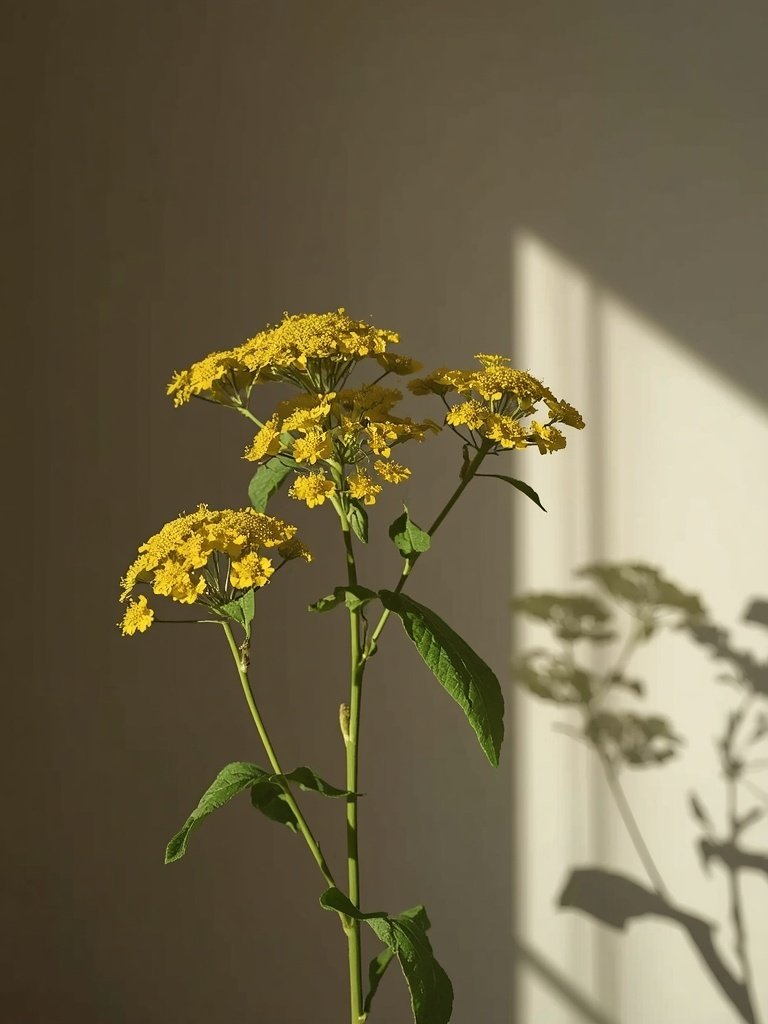
Table of Contents 3
Medical & Editorial Disclaimer (§3 Terms): This article is for informational and educational purposes only, does not constitute medical advice, diagnosis, or treatment, and is used at your own risk. Consult a qualified physician for medical conditions.
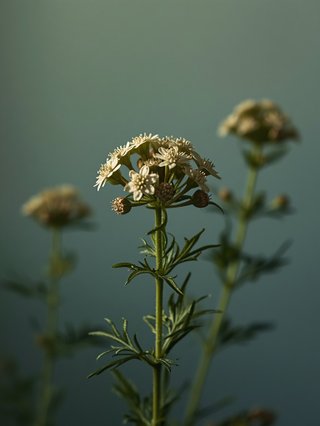
The goldenrod herb features a unique synergy of bioactive compounds, including flavonoid glycosides, triterpene saponins, and leiocarposide. Flavonoids stabilize capillaries, act as potent free radical scavengers, and promote mild glomerular hyperfiltration. Saponins contribute to antifungal actions against Candida albicans and facilitate the detachment and transit of mineral microliths, while leiocarposide exerts marked anti-inflammatory effects. Its aquaretic action increases urinary volume without disrupting electrolyte balance, which is crucial in preventing kidney gravel formation.
For practical daily use, goldenrod can be prepared as a therapeutic tea by steeping the dried herb in boiling water. Regular consumption, coupled with ample fluid intake, supports urinary tract flushing and may alleviate inflammatory conditions. Furthermore, due to its astringent properties, goldenrod decoctions are also suitable for topical applications such as gargles for pharyngitis and aphthous ulcers, or as a wash for superficial skin irritations.
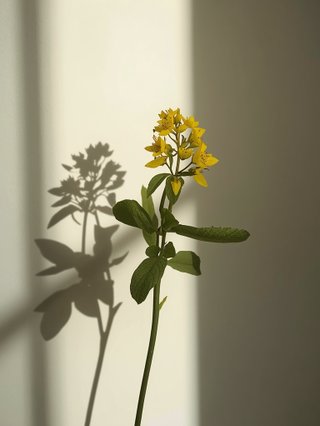
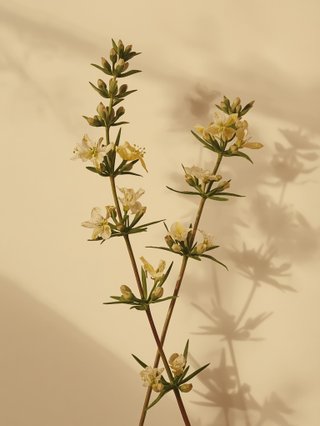
European goldenrod (Solidago virgaurea L.) is an esteemed botanical in European phytotherapy, formally endorsed for lower urinary tract flushing and inflammatory urological conditions. This review evaluates its phytochemical composition (flavonoids, triterpenoid saponins, leiocarposide), diuretic mechanisms, and practical clinical applications.
Phytochemical Complex of Solidago: Flavonoids, Saponins, and Leiocarposide
Goldenrod herb (Herba Solidaginis) exhibits a rare multimodal synergy of bioactive secondary metabolites:
- Flavonoid glycosides (quercetin, rutin, hyperoside): Concentrated at 1.5–2.5%, exerting capillary stabilization, potent free radical scavenging, and mild glomerular hyperfiltration.
- Triterpene saponins (virgaureasaponins): Impart antifungal actions against Candida albicans while facilitating the detachment and transit of mineral microliths.
- Phenolic bisdesmosides (Leiocarposide): Exerts marked anti-inflammatory, antiphlogistic, and spasmolytic effects, relaxing ureteral smooth muscle to ease urinary passage.
Aquaretic Flushing Therapy, Renal Gravel, and Edema Clearance
European goldenrod holds official monographic endorsement by the European Medicines Agency (EMA) for therapeutic urological irrigation:
- Electrolyte-sparing aquaresis: Unlike synthetic loop diuretics, goldenrod increases urinary volume output without provoking deleterious hypokalemia or hyponatremia.
- Urolithiasis prophylaxis: Mechanical aquaresis continuously flushes renal gravel and early microconcrements (calcium oxalate, uric acid) before macroscopic stone aggregation occurs.
- Contraindications: Irrigation therapy is strictly contraindicated in patients suffering from systemic edema originating from cardiac insufficiency or severe renal failure.
Infusion Protocols, Dosage Guidelines, and External Uses
Proper infusion protocols ensure maximized extraction of fragile flavonoid and glycosidic constituents:
- Therapeutic tea preparation: Steep 1–2 tablespoons (3–5 g) of dried herb in 250 ml of boiling water for 15 minutes covered. Consume 2 to 4 cups daily between meals, accompanied by at least 2 liters of plain water daily.
- Topical washes and gargles: Astringent tannins and saponins make goldenrod decoctions an excellent gargle for pharyngitis and aphthous ulcers, or as a wash for superficial skin lesions.
Want to apply these guidelines in your daily diet?
Our smart diet generator creates a tailored meal plan in 3 minutes based on the recommendations in this article.
Tags

Isabella Taylor
• 25.11.2026Diets Premium Expert
Diets Premium team expert. Specializes in nutrition plans, strength sports, and training plans.