Potential health risks associated with milk consumption – a scientific analysis and factual consequences for the human body
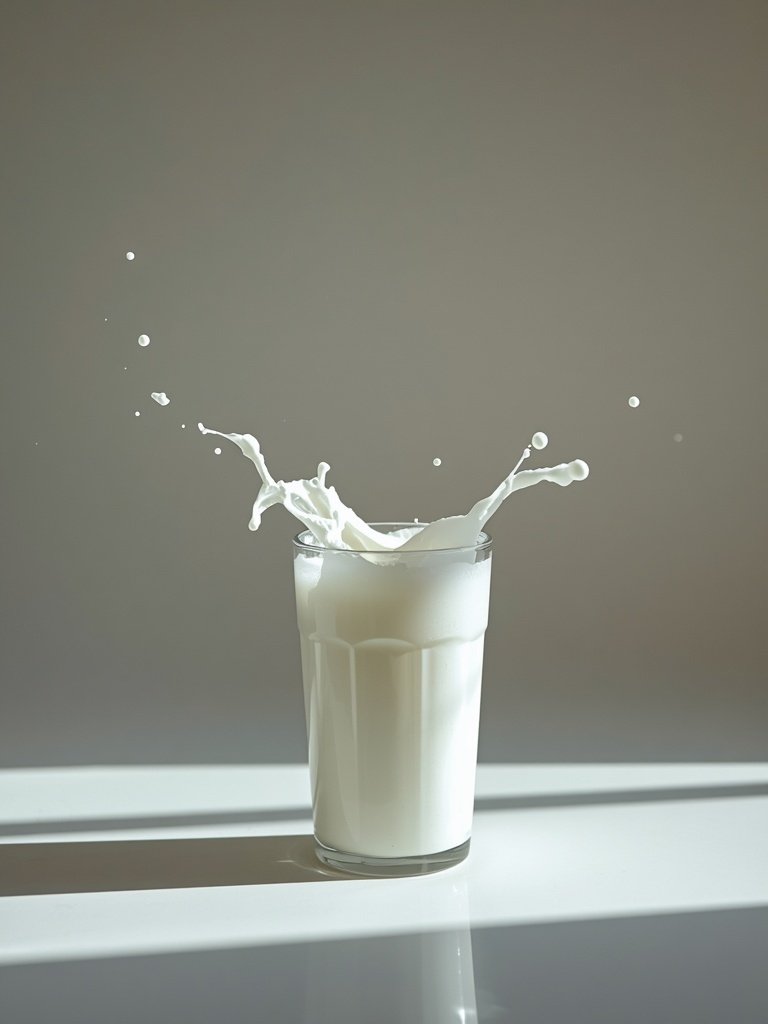

1 photo
732
Smart Voice
AI
0:00
0:00
Listen to the article content live
Table of Contents 3
Medical & Editorial Disclaimer (§3 Terms): This article is for informational and educational purposes only, does not constitute medical advice, diagnosis, or treatment, and is used at your own risk. Consult a qualified physician for medical conditions.
Clinical E-Books & Diet Plans:
Explore E-Books & Plans →
Key Takeaways
For generations, the belief has persisted that regular milk consumption is an indispensable part of a balanced diet, essential for robust skeletal structure and optimal dental health. However, contemporary scientific research increasingly challenges this assumption, prompting a critical inquiry: Does a genuine, causally proven relationship exist between dairy product intake and long-term bone health? Alternatively, might even modest daily milk consumption fail to deliver the anticipated benefits—and instead carry unforeseen adverse effects that warrant thorough examination from both medical and nutritional perspectives?
The article delves into the unique composition of cow's milk, which is naturally optimized for the rapid growth of calves and contains a multitude of growth-promoting substances and hormones, whose effects on human physiology are explored. It questions whether milk is truly the best source of calcium for humans, highlighting the distinct differences in calcium and protein content between cow's milk and human breast milk. Furthermore, it discusses potential links between milk consumption and digestive issues like lactose intolerance, as well as inflammatory processes in the body that could contribute to the development of certain conditions over time.
For practical daily application, the article offers guidance on alternative calcium sources. It emphasizes that numerous plant-based foods, such as kale, broccoli, almonds, or sesame seeds, provide this essential mineral in a readily absorbable form, without the potential drawbacks associated with dairy. Readers are encouraged to embrace a balanced diet rich in a variety of vegetables, nuts, and seeds to meet their nutritional needs and to make informed, individual choices regarding milk consumption.
For generations, the belief has persisted that regular milk consumption constitutes an indispensable component of a balanced diet, purportedly ensuring robust skeletal structure and optimal dental health. However, contemporary scientific research increasingly challenges this assumption, prompting a critical inquiry: Does a genuine, causally proven relationship exist between dairy product intake and long-term bone health? Alternatively, might even modest daily milk consumption fail to deliver the anticipated benefits—and instead carry unforeseen adverse effects that warrant thorough examination from both medical and nutritional perspectives?
01 / 03
Cow's milk has an effect on the body
Humans are the only species of mammals that consume milk from another mammal. Cow's milk is intended to feed young calves who need it for rapid growth of the body, hoof and horns. The milk composition is adapted to the needs of calves, which in two years reach a weight of about 800 kg. For such a large growth, a variety of ingredients are needed. In a glass of milk, more than 10 different growth-promoting substances and 35 different hormones can be found. These ingredients can be essential for life, but in such organisms they can be dangerous for humans.
02 / 03
Is milk the best source of calcium?
When comparing the composition of cow's milk to that of a female, at first glance you can see that cow milk contains 4 times more calcium and almost 3 times more protein than female milk. Cow milk contains a condensed amount of calcium because calves reach physical maturity in a much shorter period than humans, so such an amount of this element is essential for calves to grow.
03 / 03
What should I replace the milk with?
Milk is found in many products, such as ice cream, sweets, baked goods, so excluding it from the diet is associated with a lot of waste. A good source of calcium replacing cow's milk can be small fish, tofu, sunflower seeds, onions, almonds, sesame, or Brazil nuts. Milk for a variety of foods can be successfully replaced with rice or beef milk that has a similar consistency and taste. It remains for each of us to consider individually whether to drink milk or not.
Meal Plan
Want to apply these guidelines in your daily diet?
Our smart diet generator creates a tailored meal plan in 3 minutes based on the recommendations in this article.

Laura Schneider
• 25.11.2026Diets Premium Expert
Diets Premium team expert. Specializes in nutrition plans, strength sports, and training plans.