Common nettle – medicinal properties and practical applications in phytotherapy and traditional natural medicine
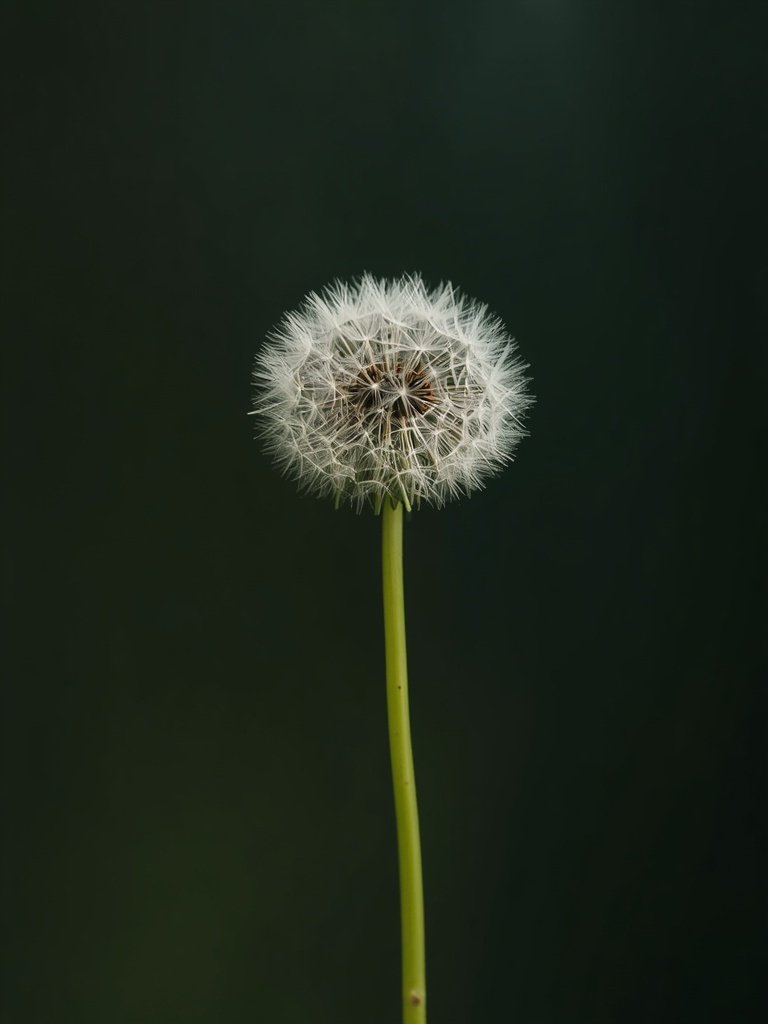
Table of Contents 3
Medical & Editorial Disclaimer (§3 Terms): This article is for informational and educational purposes only, does not constitute medical advice, diagnosis, or treatment, and is used at your own risk. Consult a qualified physician for medical conditions.
At the physiological level, the therapeutic prowess of the plant stems from its diverse array of bioactive compounds, particularly bitter sesquiterpene lactones and inulin. These active constituents work synergistically to stimulate digestive secretions, enhance biliary flow, and support natural liver detoxification pathways. Additionally, its natural diuretic properties gently encourage renal function and fluid balance, contributing to overall metabolic harmony without overwhelming the body systems.
Incorporating dandelion into everyday health practices offers numerous practical pathways through its edible leaves, roots, and flowers. Tender spring greens provide a nutritious addition to wild salads with a distinctive peppery bite, while root decoctions and caffeine-free roasted root beverages offer comforting alternatives that promote healthy digestion. By embracing these traditional preparations thoughtfully, individuals can easily integrate the natural benefits of dandelion into their holistic daily nutrition and lifestyle routines.
Common dandelion (Taraxacum officinale), frequently referred to in vernacular language as blowball or yellow weed, is among the most ubiquitous yet therapeutically versatile botanical species in European phytotherapy. While often dismissed by lawnkeepers as an obstinate garden weed, naturopathic and clinical traditions have long utilized its roots, leaves, and inflorescences as a potent liver cholagogue, natural diuretic, and metabolic stimulant. This monograph details its bioactive phytochemical profile and therapeutic applications.
Botanical Profile, Heritage, and Phytochemical Constituents
Belonging to the Asteraceae botanical family, Taraxacum officinale produces a distinctive milky latex rich in bioactive sesquiterpenes. Historical records document its therapeutic employment by 10th-century Persian and Arab physicians, notably Avicenna, who prescribed it for hepatic and splenic congestions.
Key phytochemical fractions include:
- Bitter Sesquiterpene Lactones (Taraxacin, Taraxacolide): Potent secretagogues stimulating salivary, gastric, pancreatic, and biliary secretions;
- Inulin: A prebiotic fructan comprising up to 40% of autumn-harvested dandelion roots, selectively feeding bifidobacteria;
- Polyphenols and Flavonoids (Luteolin, Apigenin): Imparting hepatoprotective and free-radical-scavenging properties;
- Essential Minerals: Notably superior potassium concentration, offsetting electrolyte loss during diuresis, alongside magnesium, iron, and vitamin K.
Therapeutic Properties: Hepatic, Biliary, and Renal Support
Clinical herbalism recognizes dandelion for comprehensive physiological actions:
- Choleretic and Cholagogue Action: Stimulates hepatic bile synthesis and enhances gallbladder contraction, preventing biliary stasis and easing lipid assimilation;
- Hepatoprotective and Detoxifying Support: Phenolic acids assist phase II liver detoxification enzymes and mitigate xenobiotic hepatocellular injury;
- Aquaretic and Diuretic Activity: Leaf extracts enhance renal sodium excretion and fluid volume reduction. Crucially, dandelion's native potassium abundance prevents hypokalemia, a frequent adverse effect of pharmaceutical loop diuretics;
- Glycemic Moderation: Inulin and chicoric acid improve peripheral insulin sensitivity and dampen postprandial glucose surges.
Herbal Preparations, Culinary Uses, and Contraindications
Every anatomical part of the dandelion plant offers therapeutic and culinary utility:
- Tender Spring Leaves: Consumed raw in wild salads, carrying an appealing bitter-peppery flavor reminiscent of arugula, rich in lutein and beta-carotene;
- Root Decoction: Simmer 1 tablespoon of dried cut roots in 250 ml of water for 5 minutes, steep for 10 minutes, and drink 20 minutes before meals to stimulate gastric and biliary secretions;
- Roasted Dandelion Root Coffee: Dehydrated, roasted, and finely ground roots yield an earthy, prebiotic-rich caffeine-free beverage mimicking coffee notes.
Contraindications: Acute biliary duct obstruction, gallbladder empyema, active peptic ulcer disease with hyperchlorhydria, and acute intestinal blockage. Patients with diagnosed gallstones must consult their physician before use.
Want to apply these guidelines in your daily diet?
Our smart diet generator creates a tailored meal plan in 3 minutes based on the recommendations in this article.

mgr David Janitzek
• 25.11.2026Diets Premium Expert
Diets Premium team expert. Specializes in nutrition plans, strength sports, and training plans.