Moringa in different forms – how to recognize a genuine product and how to use it correctly: tea, oil, capsules, or powder?
Table of Contents 5
Medical & Editorial Disclaimer (§3 Terms): This article is for informational and educational purposes only, does not constitute medical advice, diagnosis, or treatment, and is used at your own risk. Consult a qualified physician for medical conditions.
The clinical value of Moringa lies in its unique profile of isothiocyanates and phenolic acids, which modulate the body's internal antioxidant response and support vascular health. The leaves provide a rich spectrum of essential amino acids and minerals, while the cold-pressed seed oil is distinguished by its high content of monounsaturated fats and oxidative resilience. These components work synergistically to influence metabolic pathways, including glucose modulation and the downregulation of inflammatory markers, depending on the specific delivery method used.
Practical application requires careful attention to product quality, where a vibrant emerald hue and a pungent, horseradish-like scent serve as indicators of freshness and potency. When preparing infusions, using slightly cooled water helps preserve heat-sensitive nutrients, while powder should be integrated into meals to enhance absorption. It is important to note that because Moringa may increase insulin sensitivity and lower blood pressure, individuals on medication should exercise caution, and its use is strictly discouraged during pregnancy due to potential effects on uterine tone.
Moringa (Moringa oleifera), frequently hailed as the 'miracle tree', represents one of the most chemically rich botanical species utilized in ethnopharmacology. Its leaves, seeds, and extracted oils harbor dense concentrations of essential amino acids, isothiocyanates, flavonoids, and unsaturated fatty acids. This clinical guide details authentication criteria, bioavailability across various delivery formats (infusions, cold-pressed oils, standardized capsules, whole powders), and evidence-based safety parameters.
Moringa oleifera – Phytochemical Profile and Biological Value
The foliage of Moringa oleifera provides a dense spectrum of vital nutrients:
- Complete plant protein: Comprising 25–30% of dry weight, delivering all nine essential amino acids.
- Isothiocyanates (moringin): Potent organosulfur compounds regulating the Nrf2 antioxidant response pathway and downregulating pro-inflammatory cytokines.
- Quercetin and chlorogenic acid: Phenolics that modulate vascular tone and glucose absorption.
- Bioavailable minerals: Highly concentrated calcium, non-heme iron, and provitamin A carotenoids.
Moringa Leaf Tea – Infusion, Extraction, and Sensory Profile
Infusions brewed from dried moringa leaves possess a mellow, herbaceous flavor reminiscent of young nettle and green pea shoots. To safeguard heat-labile polyphenols and ascorbic acid, steep leaves in water at 80–85°C for 5–8 minutes in a covered vessel. The infusion exerts gentle diuretic and tonifying properties.
Moringa Seed Oil (Ben Oil) – Composition and Applications
Cold-pressed moringa seed oil, historically termed Ben oil, is distinguished by its high content of behenic acid (approx. 7%) and over 70% monounsaturated oleic acid (omega-9). Renowned for superior oxidative stability, it is prized in dermatology for lipid barrier restoration and in gourmet culinary applications.
Capsules vs. Powder – Quality Criteria and Standardization
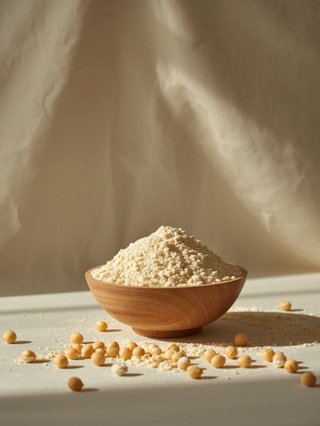
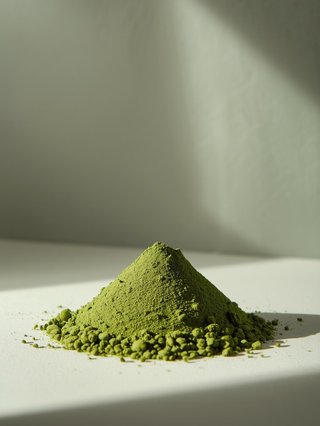
When selecting moringa powder or encapsulated formulas, visual appearance and certifications are paramount. Authentic, high-grade moringa leaf powder displays a vibrant, luminous emerald green hue (dull brown indicates oxidation or photodegradation) and a mildly pungent, horseradish-like aroma. Capsules should contain pure unadulterated botanical material.
Dosage Guidelines, Drug Interactions, and Safety Considerations
The standard dietary maintenance dosage is 3–5 g (1 level teaspoon) of leaf powder daily, consumed with meals. Clinical precautions are vital: moringa enhances insulin sensitivity and lowers blood pressure, necessitating monitoring when combined with antidiabetic or antihypertensive medications. It is strictly contraindicated during pregnancy due to potential uterotonic effects.
Want to apply these guidelines in your daily diet?
Our smart diet generator creates a tailored meal plan in 3 minutes based on the recommendations in this article.

mgr Tim Klein
• 25.11.2026Diets Premium Expert
Diets Premium team expert. Specializes in nutrition plans, strength sports, and training plans.