Avocado – health and nutritional benefits
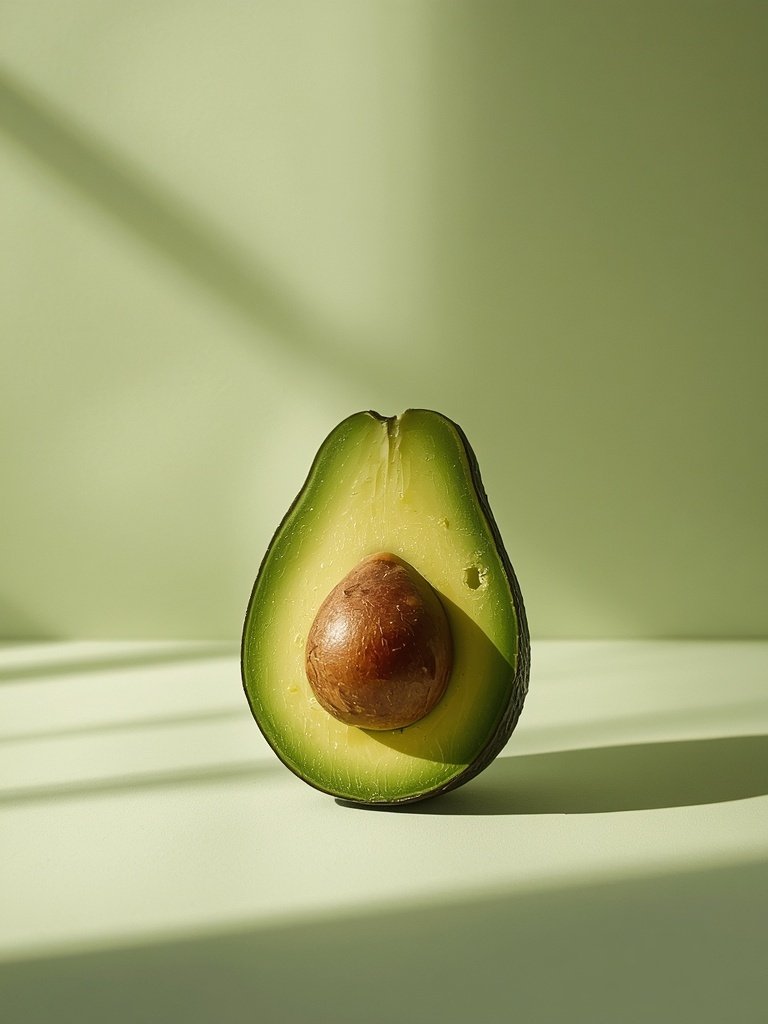
Table of Contents 6
Medical & Editorial Disclaimer (§3 Terms): This article is for informational and educational purposes only, does not constitute medical advice, diagnosis, or treatment, and is used at your own risk. Consult a qualified physician for medical conditions.
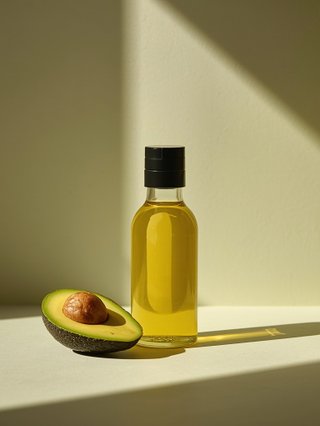
The physiological benefits of the avocado are rooted in its abundance of monounsaturated and polyunsaturated fatty acids, alongside essential phytosterols. These components work to support metabolic health, promote satiety, and assist in maintaining healthy cholesterol levels and blood pressure. By providing these healthy fats, the avocado contributes to cardiovascular wellness and aids in the efficient absorption of nutrients from other dietary sources.
For daily health, consider using avocado as a versatile ingredient in salads, as a nutritious spread, or as an elegant addition to various meals. When selecting an avocado, look for a rind that yields slightly to gentle pressure, indicating optimal ripeness. If the fruit is not yet ready, you can naturally accelerate the ripening process by placing it in a sealed container alongside an apple or a banana, which releases natural gases that soften the flesh.
Nutritional composition and caloric density of avocado: the science behind its "buttery fruit" classification
Avocado as an Ally in Body Weight Reduction: Scientific Evidence and Practical Implementation
Comprehensive health benefits of avocado consumption: A detailed examination of nutritional components and their physiological effects on human health
Multifunctional applications of avocado fruit in culinary and home cosmetic practices
A comprehensive guide to identifying a fully ripened avocado: key indicators for consumers
Effective techniques for accelerating the maturation process of avocados at home
Want to apply these guidelines in your daily diet?
Our smart diet generator creates a tailored meal plan in 3 minutes based on the recommendations in this article.

mgr Literatura: Kulczyński B., Gramza-Michałowska A., Awokado – wartość żywieniowa, „Przemysł Spożywczy” 2015, nr 69(11), s. 33. Pieterse Z., Jerling J., Oosthuizen W., Avocados (monounsaturated fatty acids), weight loss and serum lipids, „Specialist Forum” 2003, Vol., 3 nr. 4 https://www.researchgate.net/publication/238785952_Avocados_monounsaturated_fatty_acids_weight_loss_and_serum_lipids [dostęp 18.04.2018]. Mark L. Dreher, Adrienne J. Davenport, Hass Avocado Composition and Potential Health Effects, „Critical Reviews in Food Science and Nutrition” 2013, nr 53, s. 738–750 https://www.ncbi.nlm.nih.gov/pmc/articles/PMC3664913/ [dostęp 18.04.2018]. Lu Q.-Y.,Lu, J.R. Arteaga, Q. Zhang, S. Huerta, V.L.W. Go, D. Heber, Inhibition of prostate cancer cell growth by an avocado extraxt: role of lipid–soluble boactive substances, „J. Nutr. Biochem” 2005, nr 16, s. 23-30, https://www.ncbi.nlm.nih.gov/pubmed/15629237 [dostęp 18.04.2018].
Diets Premium Expert
Diets Premium team expert. Specializes in nutrition plans, strength sports, and training plans.