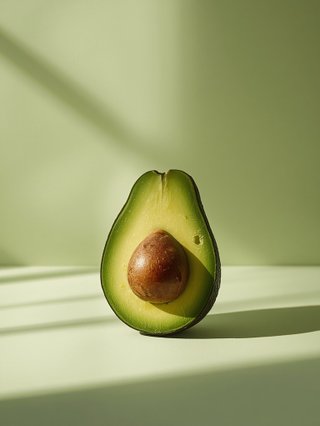
Avocado for weight loss. Does avocado make you fat? Avocado snack recipes
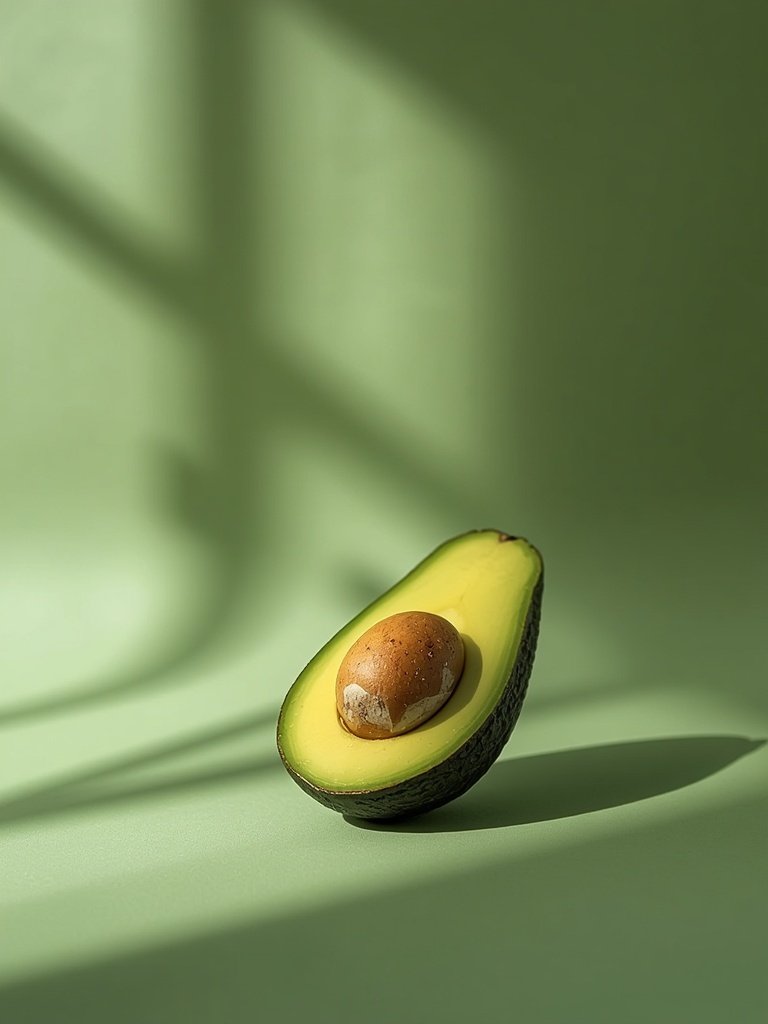
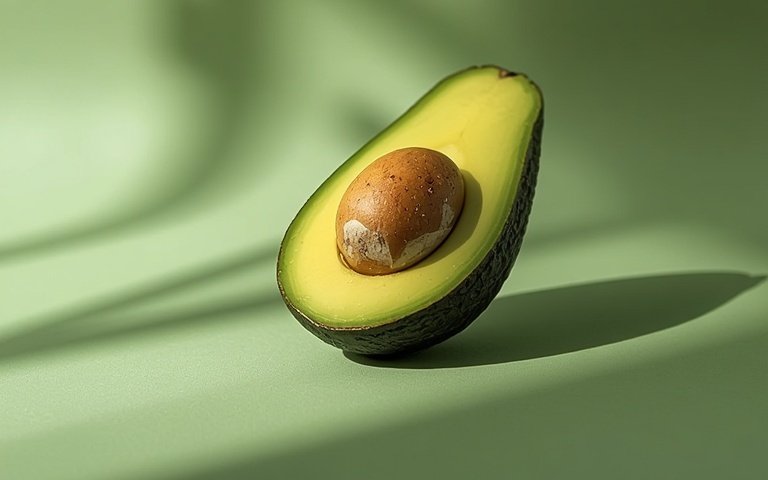
Table of Contents 3
Medical & Editorial Disclaimer (§3 Terms): This article is for informational and educational purposes only, does not constitute medical advice, diagnosis, or treatment, and is used at your own risk. Consult a qualified physician for medical conditions.
Unlike the vast majority of fruits, the avocado features a remarkably low carbohydrate content alongside a high concentration of beneficial lipids, predominantly monounsaturated fatty acids. Although this profile increases its overall energy density compared to water-rich fruits, these fatty acids play a crucial role in promoting satiety and supporting nutrient absorption. Scientific evidence evaluating avocado consumption in relation to body weight management reveals nuanced findings, emphasizing that its metabolic benefits depend heavily on overall dietary context and portions.
From a practical culinary standpoint, the avocado serves as an exceptionally versatile component in healthy meal preparation. It integrates seamlessly into fresh salads, functions as a rich base for spreads and pastes, and adds a creamy texture to nutrient-dense smoothies. By pairing this fruit with lighter ingredients, individuals can craft satisfying, wholesome snacks that support satiety and elevate daily nutrition without compromising their long-term wellness targets.
Originating in Mexico, the avocado is one of the most caloric fruits in the world. However, should individuals who wish to lose weight avoid this fruit? Learn more about the properties of avocados and their impact on the weight loss process.
Does consuming avocado contribute to weight gain? A scientific and nutritional fact-based examination
To date, there remains a limited body of scientific research systematically evaluating the relationship between regular avocado consumption and fluctuations in body weight. The findings from available studies are inconsistent and ambiguous: certain analyses fail to demonstrate a meaningful correlation between incorporating this fruit into one’s daily diet and subsequent weight reduction, whereas other reports emphasize the potential benefits derived from its intake. A case in point is research conducted in the early 21st century in the United States, where results indicated that individuals who regularly consumed avocados exhibited statistically lower body weight measurements, reduced body mass index (BMI) values, and smaller waist circumferences compared to non-consumers. While these observations necessitate further validation through larger, controlled clinical trials, one conclusion remains unequivocal: avocado, as a standalone food item, does not inherently cause weight gain. This article provides a comprehensive examination of both the advantages and potential limitations associated with integrating avocado into a balanced dietary regimen.
The Role of Avocados in Weight Reduction: A Comprehensive Examination of Nutritional Components and Their Metabolic Impact
Contrary to the majority of fruits, the avocado is distinguished by an exceptionally low carbohydrate content while simultaneously serving as a rich source of fats—primarily monounsaturated fatty acids, which constitute between 60% and 84% of its lipid composition. This distinctive nutritional profile renders the fruit notably calorie-dense, with an energy value ranging from 140 to 228 kilocalories per serving, translating to an average energy density of 1.7 kcal per gram of pulp. For context, a medium-sized banana provides the body with only approximately 100 kcal. Significantly, up to 80% of the carbohydrates present in avocados consist of dietary fiber—a component of paramount importance for both effective weight loss and overall health maintenance. However, it is crucial to emphasize that merely incorporating avocados into one’s diet does not inherently ensure weight reduction; rather, their consumption must be balanced within a well-structured meal plan. Just as eating avocados does not automatically result in weight gain, it likewise does not independently facilitate the elimination of excess kilograms without the support of additional dietary and lifestyle modifications.
A little bit of avocado
Avocado is a fruit with universal culinary uses. It can be added to salads, used to make dips and smoothies. Below are a few snack suggestions using avocado. Recipe for avocado and nut shake Ingredients: ½ avocado 1 tablespoon honey 5 tablespoons ground hazelnuts 2 glasses of milk ½ vanilla bean Preparation: Place the milk, avocado, 4 tablespoons of nuts, honey, and vanilla seeds in a blender container. Blend until a creamy consistency is achieved. Pour the finished shake into glasses. Sprinkle with the remaining ground nuts. Guacamole recipe Ingredients: 4 avocados ½ onion 1 green bell pepper tablespoon rapeseed oil juice of one lemon 2 cloves of garlic tomato teaspoon chopped parsley Preparation: Finely chop the onion, bell pepper, garlic cloves, and tomato. Mix all ingredients to obtain a smooth, creamy consistency. Season with salt to taste. You can also add chili pepper. The prepared guacamole can be served with chips, vegetable sticks, or bread. Recipe for avocado and apple salad Ingredients: 2 apples avocado juice from one lemon juice from one orange tablespoon of sunflower seeds tablespoon of honey Preparation: Cut the avocado and apples into small pieces. Mix with the juice from the citrus fruits. Add honey and mix again. Sprinkle with sunflower seeds. People on a weight-loss diet can safely reach for avocado. This fruit will certainly not cause weight gain. On the contrary, it can help with weight loss while providing valuable nutrients to the body.
Want to apply these guidelines in your daily diet?
Our smart diet generator creates a tailored meal plan in 3 minutes based on the recommendations in this article.
Tags

mgr David Janitzek
• 23.10.2026Diets Premium Expert
Diets Premium team expert. Specializes in nutrition plans, strength sports, and training plans.