Flüssiges Chlorophyll: Gesundheitliche Wirkung, natürliche Quellen, Darreichungsformen und Sicherheit

| Diets Premium Experte Mateusz Pawlak | Min. Lesezeit 6 min | Wissenschaftlich geprüft durch klinische Ernährungsberater 23.10.2026 |
Audio-Sprecher
•Artikelinhalt live anhören
Flüssiges Chlorophyll erfreut sich als natürliches Nahrungsergänzungsmittel zur Förderung von Entgiftungsprozessen, Blutbildung und Hautgesundheit wachsender Beliebtheit. Dieser Fachartikel beleuchtet die biochemische Verwandtschaft von Chlorophyllin mit menschlichem Hämoglobin, evidenzbasierte Wirkungen und die sachgerechte Anwendung.
Möchten Sie diese Richtlinien in Ihrer täglichen Ernährung umsetzen?
Unser intelligenter Diät-Generator erstellt in 3 Minuten einen maßgeschneiderten Speiseplan basierend auf diesen Empfehlungen.
Dieser Artikel ist ein professioneller Fachartikel (PRO), der vollständig zur Verfügung gestellt wird.
Chlorophyll: Characteristics and chemical structure
Chlorophyll is the ubiquitous green photosynthetic pigment found in plants, algae, and cyanobacteria. Biochemically, its molecular architecture consists of a porphyrin ring coordinating a central magnesium ion (Mg²⁺). This tetrapyrrole structure bears an uncanny resemblance to human heme in hemoglobin, with the sole difference being the central coordinated metal (iron in heme versus magnesium in chlorophyll). Because natural chlorophyll is lipophilic and labile when exposed to light and oxygen, commercial liquid supplements utilize chlorophyllin—a semi-synthetic, water-soluble sodium-copper salt that exhibits enhanced biological stability.
Health-promoting properties of chlorophyll
The documented therapeutic benefits of liquid chlorophyllin span multiple biological systems. Foremost is its potent antioxidant action: chlorophyllin neutralizes free reactive oxygen species and intercepts planar aromatic environmental carcinogens (such as polycyclic aromatic hydrocarbons and aflatoxins) within the gut lumen, preventing their absorption. Furthermore, clinical trials indicate that chlorophyllin stimulates erythropoiesis, promoting healthy red blood cell synthesis in mild nutritional anemias. Applied topically or taken internally, it promotes wound healing, suppresses skin inflammation, reduces acne lesions, protects dermal fibroblasts from ultraviolet photoaging, and acts as an effective systemic deodorizer.
Chlorophyll preparations: Liquid chlorophyllin supplements
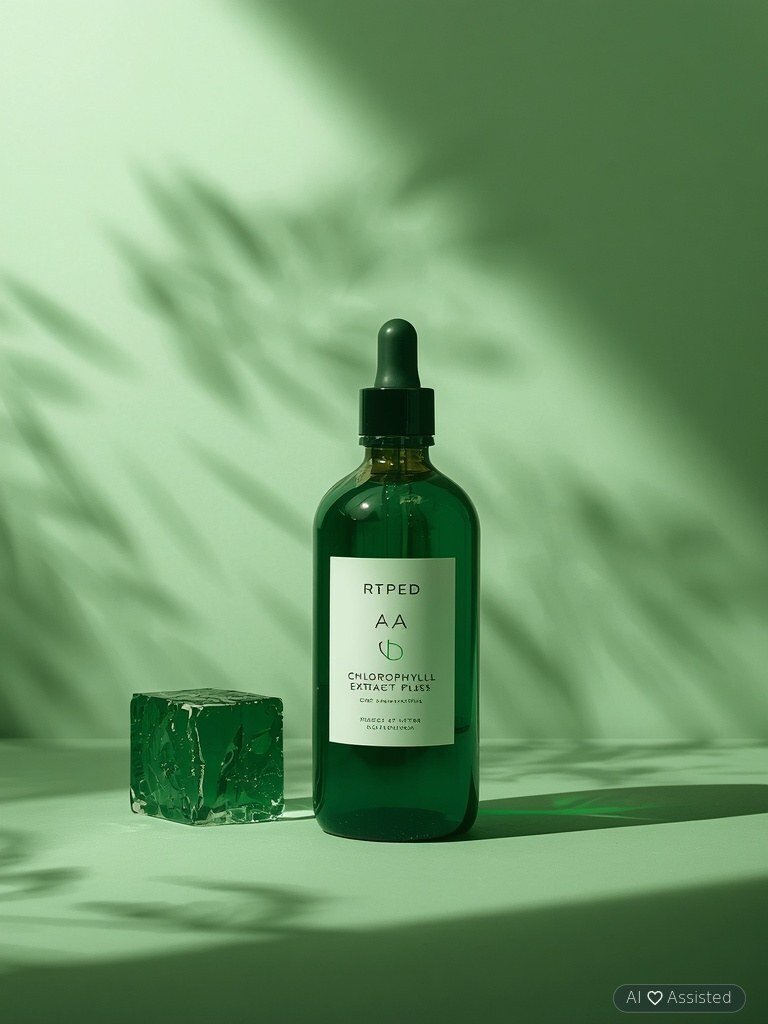
Liquid chlorophyll preparations are primarily extracted from concentrated alfalfa (Medicago sativa) or dark leafy cultivars. In liquid form, chlorophyllin offers rapid bioavailability when diluted in a glass of water. A standard therapeutic serving typically delivers 100 to 300 mg of sodium-copper chlorophyllin. High-quality liquid formulations avoid synthetic preservatives and artificial flavorings, relying instead on natural peppermint oil or citrus extracts to enhance palatability.
Dosage, safety profile, and potential side effects
When used as directed, liquid chlorophyll boasts an exemplary safety profile. The recommended daily dosage ranges from 100 mg to 300 mg daily, ideally divided with meals. Minor, harmless side effects may include a temporary greenish discoloration of urine and stool or mild transient digestive softening. Pregnant and lactating women should consult their physician before use due to limited clinical safety data in these populations. Overdosing should be avoided to prevent gastrointestinal cramping.

mgr Mateusz Pawlak
✓Diets Premium Experte
Experte im Team von Diets Premium. Spezialisiert auf Ernährungspläne, Kraftsport und Trainingspläne.
Profil ansehen →