Wheat flour – types, nutritional properties, caloric content, and application depending on the type
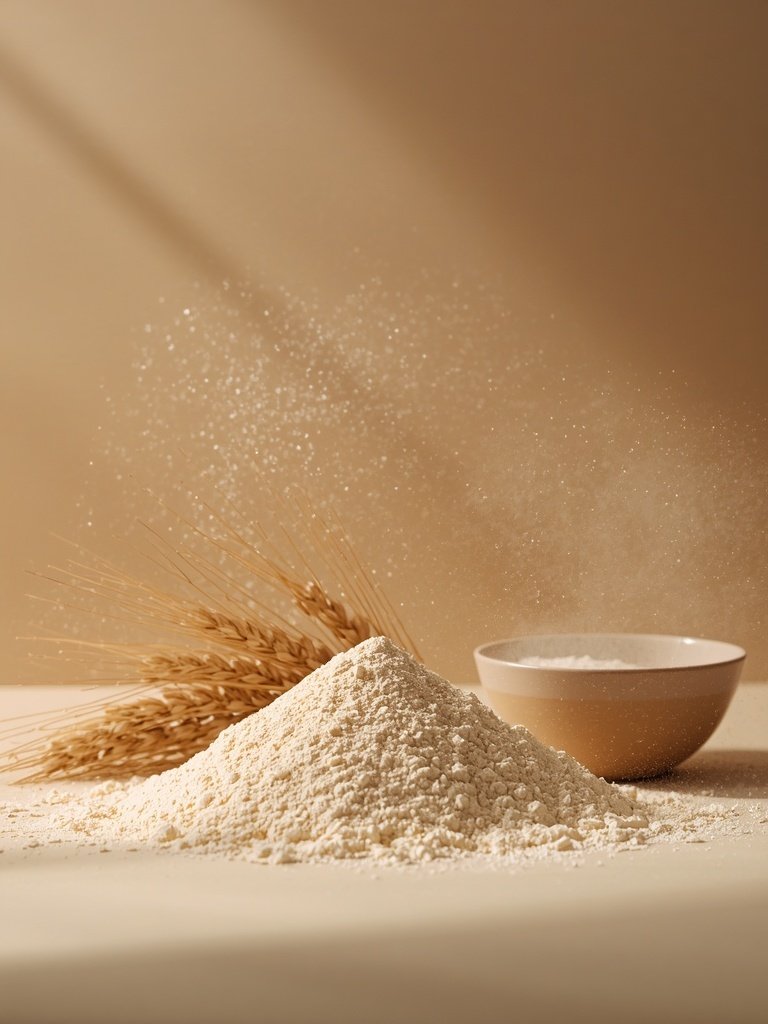
Table of Contents 3
Medical & Editorial Disclaimer (§3 Terms): This article is for informational and educational purposes only, does not constitute medical advice, diagnosis, or treatment, and is used at your own risk. Consult a qualified physician for medical conditions.
At the core of wheat flour functionality lies its unique protein matrix, which hydrates into a viscoelastic network capable of trapping gases during preparation and fermentation. Refined white flours, stripped of outer grain coats during milling, consist primarily of easily digestible starches that yield exceptionally light textures and delicate batters. In contrast, whole-grain flours preserve the natural bran and germ layers, supplying generous amounts of dietary fiber that support digestive wellness, alongside essential B vitamins and crucial minerals such as magnesium and iron.
Applying this knowledge to everyday cooking and baking enables culinary success while supporting balanced nutrition goals. Lighter pastry flours are best reserved for airy cakes and delicate creations, whereas nutrient-dense whole-wheat and graham varieties provide robust fiber content and deep flavors, making them excellent choices for nourishing breads and hearty culinary preparations.
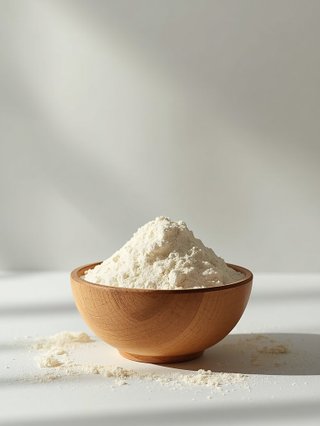
Wheat flour, milled from common wheat kernels (Triticum aestivum), serves as the most widely consumed cereal milling commodity globally. Its definitive technological asset is its gluten-forming protein matrix (gliadins and glutenins), which hydrates into a viscoelastic network that traps fermentation gases. The biological nutritional yield of wheat flour is inextricably tied to its milling extraction rate—spanning from refined white pastry flour to fiber-dense whole-wheat graham flour.
Nutritional Value of Wheat Flour – Vitamins, Minerals, and Fiber
The chemical composition of wheat flour shifts profoundly across milling extraction gradients:
- Whole-grain flours (Types 1850 and 2000) – retaining intact bran and germ layers, they provide significant quantities of magnesium (~138 mg/100 g), non-heme iron, zinc, phosphorus, and B vitamins (thiamine, niacin). Dietary fiber (11–12 g/100 g) fosters eubiotic gut microbiome motility.
- Refined white flours (Types 450 and 500) – stripped of outer coats, they comprise over 75% digestible starch and storage proteins, yielding barely 2–3 g of fiber and negligible trace elements (ash <0.5%).
Energy Value and Macronutrient Profile – Caloric Density of Wheat Flour
The baseline caloric and macronutrient density remains relatively steady across milling grades:
- Caloric density – 100 g yields roughly 340–360 kcal.
- Carbohydrates (68–74 g) – dominated by starch polymers; refined flours elicit rapid enzymatic digestion (glycemic index GI = 70–85), whereas whole-meal matrices temper glycemic curves.
- Protein (10–13 g) – storage prolamins comprising monomeric gliadin (providing extensibility and viscosity) and polymeric glutenin (supplying elasticity and tensile strength).
- Lipids (1–2 g) – essential polyunsaturated fatty acids localized within the germ.
Culinary Applications Across Wheat Flour Types
Precise selection of the appropriate flour grade ensures culinary and baking triumph:
- Pastry flour (Type 450 / Type 405) – lowest extraction rate, optimal for airy sponge cakes, delicate souffles, and light batters.
- All-purpose flour (Type 500 / Type 550) – versatile standard for dumplings (pierogi), crepes, shortcrust pastry, and roux.
- Strong bread flour (Type 650 to 850) – robust gluten framework ideal for artisan baguettes, yeast brioche, pizza dough, and focaccia.
- Whole-wheat and graham (Types 1850 and 2000) – coarse milling yielding dense rustic loaves, sourdough breads, and fiber-rich crackers.
Want to apply these guidelines in your daily diet?
Our smart diet generator creates a tailored meal plan in 3 minutes based on the recommendations in this article.
Tags

Anna Schmidt
• 25.11.2026Diets Premium Expert
Diets Premium team expert. Specializes in nutrition plans, strength sports, and training plans.