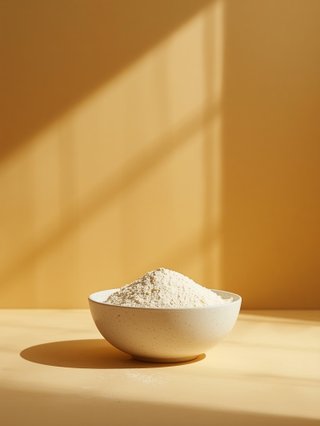
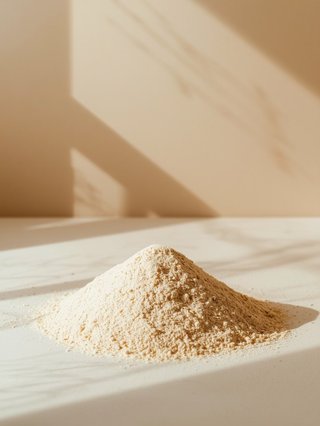
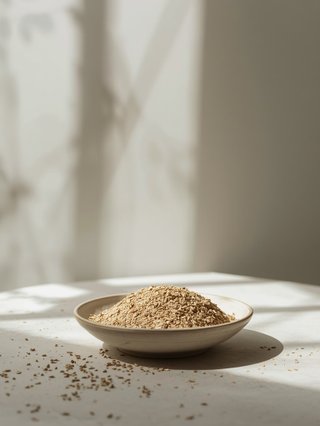
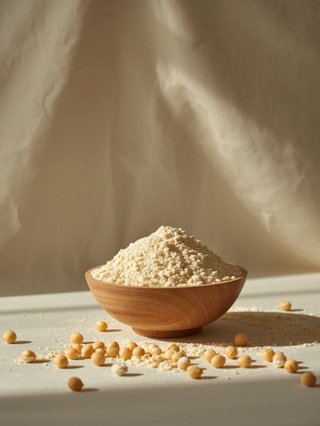
Gluten-free flours – types, nutritional profile, technological properties, and use in a gluten-free diet

Table of Contents 6
Medical & Editorial Disclaimer (§3 Terms): This article is for informational and educational purposes only, does not constitute medical advice, diagnosis, or treatment, and is used at your own risk. Consult a qualified physician for medical conditions.
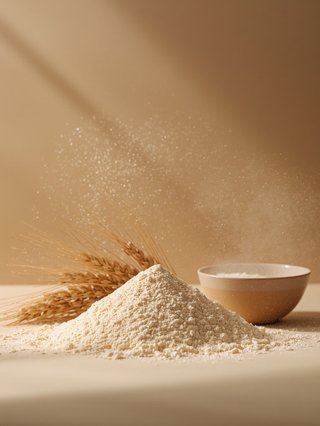
The functional properties of gluten-free flours are defined by their unique starch composition and protein structures, which lack the viscoelastic network found in conventional wheat. To achieve desirable textures in baking, it is necessary to balance neutral base flours with structural starches and nutrient-dense options like buckwheat or whole-grain rice. This combination ensures that baked goods maintain moisture and structural integrity while providing essential minerals, vitamins, and fiber that contribute to a well-rounded nutritional profile.
For daily health, it is vital to prioritize certified gluten-free products to mitigate the risk of cross-contamination from shared processing facilities. When baking at home, experiment with blending various flours to optimize both flavor and texture, rather than relying on a single source. By incorporating a diverse range of naturally gluten-free ingredients, you can enhance the quality of your diet and enjoy a wide variety of nutritious, allergen-friendly baked goods that support your overall wellness goals.
Celiac Disease and the Gluten-Free Diet – Safe Flour Selection
Celiac disease is a genetically mediated systemic autoimmune enteropathy triggered by the ingestion of gluten prolamins (found in wheat, rye, and barley), culminating in small bowel villous atrophy and malabsorption. Permanent adherence to a strict gluten-free diet is mandatory:
- The Crossed Grain symbol – patients must select flours verified by the certified Crossed Grain trademark or legally labeled 'gluten-free' (containing <20 ppm / 20 mg/kg gluten).
- Cross-contamination hazards – botanically gluten-free grains (such as buckwheat, oats, or maize) processed in conventional commercial mills frequently suffer severe dust cross-contact, rendering generic uncertified bags unsafe.
- Whole single-origin flours – swapping ultra-processed commercial baking mixes (which rely heavily on refined starches and added sugars) for whole-grain alternative flours prevents micronutrient deficiencies in B-vitamins, iron, and dietary fiber.
Classification and Functional Properties of Gluten-Free Flours
The total absence of gluten—the viscoelastic network retaining leavening gases—represents a profound culinary challenge, requiring flour balancing:
- Base neutral flours – white rice, certified oat, corn, and millet flours; forming 50–70% of standard baking blends.
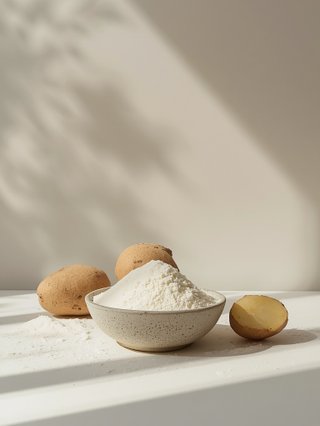
- Structural starches – potato starch, tapioca flour, cornstarch; providing rapid gelatinization, preventing crumbly textures, and retaining moisture.
- Nutritional enhancer flours – buckwheat, chickpea, teff, and amaranth flours; integrated at 10–30% ratios to introduce artisanal flavor, amino acids, and minerals.
- Hydrocolloid binders – replicating gluten elasticity requires natural water-binding hydrocolloids such as psyllium husk, ground flaxseed, chia gel, or xanthan/guar gums.
Certified Gluten-Free Oat Flour – Dietary Fiber and Beta-Glucans
Certified gluten-free oat flour represents a nutrient-dense cornerstone of modern allergen-free baking:
- Avenin tolerance and certification – oats naturally produce avenin rather than wheat gliadin, an amino acid sequence well tolerated by >95% of celiac patients. Strict certified sourcing is imperative to eliminate cross-contamination from adjacent wheat fields.
- Soluble beta-glucans – rich in functional beta-glucan fibers that form viscous solutions in the small intestine, binding bile acids to lower LDL cholesterol and modulating postprandial glucose uptake.
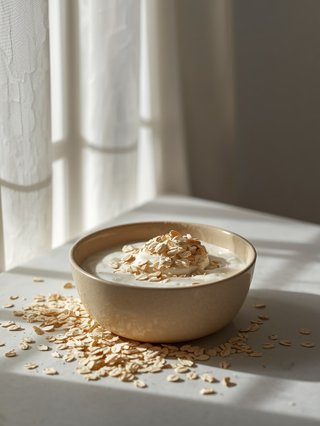
- Baking characteristics – confers moist crumb, mild nutty sweetness, and structural softness; excels in pancakes, breakfast waffles, muffins, and artisan bread formulations.
Gluten-Free Rice Flour – White vs Brown Whole-Grain Varieties
Derived from milled grains of Oryza sativa, rice flour serves as the most widely implemented gluten-free base:
- White rice flour – provides complete neutral flavor, clean pale appearance, and easily digestible starches; forms the versatile foundation for sponge cakes, shortbread crusts, and sauce thickening.
- Brown whole-grain rice flour – milled with bran and germ layers intact; supplies elevated dietary fiber, B-complex vitamins, magnesium, and phosphorus with a pleasant rustic nuttiness.
- Milling mesh significance – coarse rice grinds produce an undesirable gritty or sandy mouthfeel in delicate pastries; utilizing superfine-milled rice flour is essential for smooth gluten-free crumb structures.
Gluten-Free Buckwheat Flour – Mineral Density and Robust Flavor
Buckwheat flour originates from milled achenes of Fagopyrum esculentum, botanically classified as a polygonaceous pseudocereal rather than a true poaceous grass:
- Nutritional and flavonoid density – delivers exceptional plant protein balanced in lysine, alongside bioavailable magnesium, copper, and rutin—a vasculoprotective polyphenol reinforcing capillary walls.
- Earthy flavor profile – presents a robust, nutty profile and characteristic grey-flecked hue; traditionally celebrated in savory French Breton galettes, rustic sourdough loaves, and Japanese soba noodles.
- Inherent hydration capacity – natural mucilage polysaccharides within buckwheat bind moisture effectively, mitigating the crumbly tendencies of gluten-free doughs.
Gluten-Free Corn Flour – Carotenoids and Golden Sweetness
Corn flour milled from kernels of Zea mays imparts vibrant golden hues and pleasant sweetness to allergen-free cuisine:
- Carotenoids for retinal health – vibrant yellow pigmentation reflects dense concentrations of lutein and zeaxanthin, macular carotenoids that protect ocular photoreceptors from oxidative blue-light degradation.
- Corn flour vs cornstarch distinction – corn flour represents whole ground corn grain; cornstarch (maizena) is pure isolated endosperm starch utilized purely as an elastic thickening and aerating agent.
- Gastronomic applications – fundamental for authentic Italian polenta, Latin American arepas and tortillas, crispy vegetable coatings, and imparting crunchy rims to gluten-free pizza crusts.
Want to apply these guidelines in your daily diet?
Our smart diet generator creates a tailored meal plan in 3 minutes based on the recommendations in this article.
Tags

Isabella Taylor
• 23.10.2026Diets Premium Expert
Diets Premium team expert. Specializes in nutrition plans, strength sports, and training plans.