Evolution, types, preparation techniques, and local interpretations of pizza in Poland
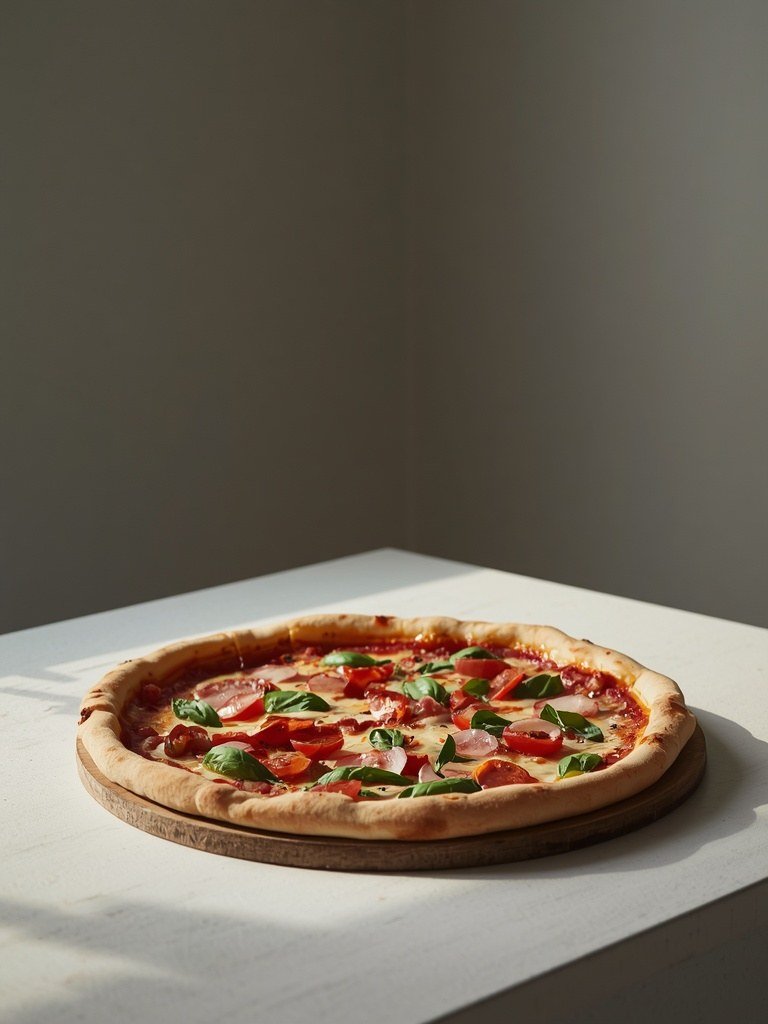
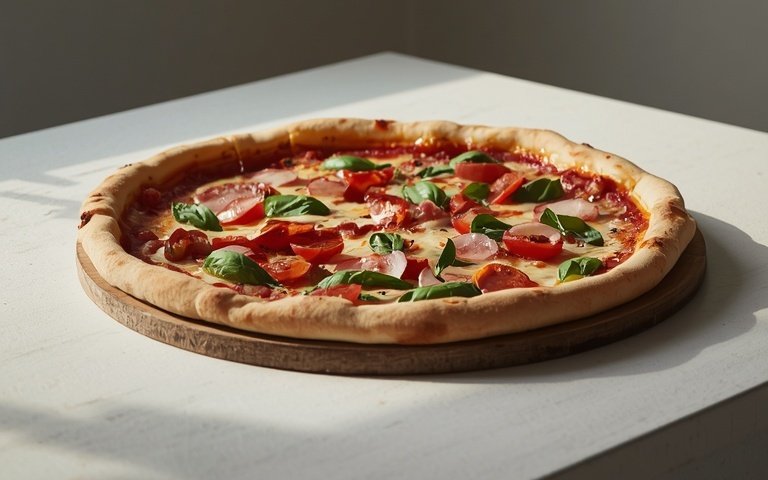
Table of Contents 4
Medical & Editorial Disclaimer (§3 Terms): This article is for informational and educational purposes only, does not constitute medical advice, diagnosis, or treatment, and is used at your own risk. Consult a qualified physician for medical conditions.
The chapters examine the ancient Mediterranean origins of flatbreads, the transformative arrival of tomatoes, and the unique characteristics of regional styles ranging from puffy Neapolitan crusts to exceptionally crisp Roman varieties. Physiologically and technically, the focus centers on prolonged fermentation kinetics. Utilizing high-protein flour and extended cold maturation allows endogenous enzymes to pre-digest starches and gluten proteins, which substantially enhances digestibility and prevents postprandial heaviness or bloating.
Practical guidance for daily nutrition includes incorporating whole grain or alternative flour blends, crafting vibrant sauces from fresh tomatoes and herbs, and practicing mindful portion control. Embracing regional adaptations, such as topping creations with local artisanal cheeses and preserves, illustrates how traditional baking methods can gracefully accommodate personal preferences while supporting overall wellbeing.
In Italy—the birthplace of this iconic dish—the so-called pizza al taglio (literally "pizza by the slice") enjoys widespread popularity. Distinguished by its rectangular shape, thicker crust, and the option to purchase custom-cut portions, it represents one of the most ubiquitous forms of Italian street food, seamlessly blending time-honored flavors with the convenience of a quick meal.
History of pizza: from ancient flatbreads to classic Margherita
The historical lineage of pizza originates in the ancient Mediterranean basin, where Greeks, Romans, and Egyptians baked unleavened and yeasted flatbreads dressed with olive oil, garlic, and wild herbs. The culinary paradigm shifted dramatically in Naples following the introduction of tomatoes from the New World in the 16th and 17th centuries, transforming humble baked dough with tomato paste into a staple street food for the working class. In 1889, Neapolitan pizzaiolo Raffaele Esposito created the iconic Pizza Margherita in tribute to Queen Margherita of Savoy, featuring the colors of the unified Italian flag—red tomato, white mozzarella, and fresh green basil.
Global pizza styles: Neapolitan, Roman, and regional varieties
Italian gastronomy has cultivated distinct regional pizza styles. Neapolitan pizza—recognized with European Traditional Speciality Guaranteed (TSG) status—features a pillowy, leopard-spotted rim (cornicione), a tender center, and is baked for a mere 60 to 90 seconds at 450–485°C in a wood-fired oven. Roman pizza (tonda romana) offers an ultra-thin, cracker-crisp crust, while pizza al taglio is baked in large rectangular steel pans with high-hydration, airy dough and sold by weight. Other celebrated styles include Sicilian sfincione with sweet onions and anchovies, as well as pizza bianca, baked without tomato sauce.
Polish adaptations and popular contemporary interpretations
In Poland, pizza achieved widespread popularity during the 1990s, initially evolving to suit regional domestic palates with thicker crusts and generous toppings. Enduring consumer favorites across traditional local pizzerias include Hawaiian with pineapple, spicy pepperoni, farmer's pizza with sausage and sweetcorn, and a distinct regional Polish creation—highland pizza crowned with smoked oscypek sheep cheese and cranberry relish. Simultaneously, recent years have witnessed a major culinary renaissance with artisanal Neapolitan pizzerias emphasizing certified Campanian ingredients and 48-hour cold fermentation.
Artisanal preparation techniques and nutritional optimization
The secret to wholesome, highly digestible pizza lies in prolonged fermentation kinetics. Utilizing high-protein flour (Tipo 00), minimal yeast, and a 24- to 48-hour cold maturation period allows endogenous enzymes to pre-digest starches and gluten proteins, eliminating postprandial bloating. To optimize pizza nutritionally at home, incorporate whole grain or spelt flour blends, craft raw sauce from San Marzano tomatoes seasoned with garlic and oregano, practice portion control with authentic mozzarella, and generously layer fresh vegetables such as baby arugula, baby spinach, mushrooms, and grilled artichokes.
Want to apply these guidelines in your daily diet?
Our smart diet generator creates a tailored meal plan in 3 minutes based on the recommendations in this article.

Laura Schneider
Diets Premium Expert
Diets Premium team expert. Specializes in nutrition plans, strength sports, and training plans.