Teff - properties, flour, flakes, cost, recipes
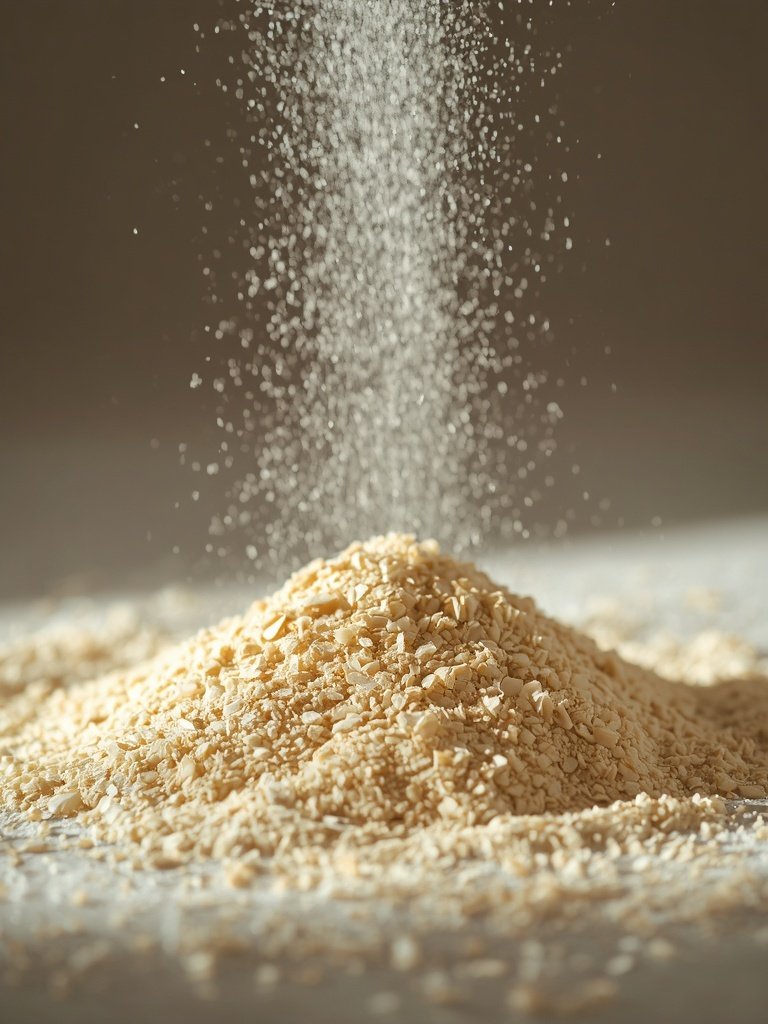
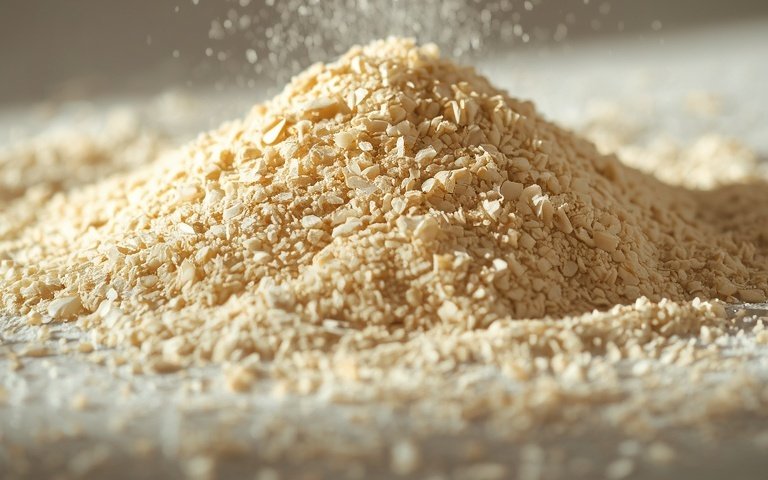
Table of Contents 6
Medical & Editorial Disclaimer (§3 Terms): This article is for informational and educational purposes only, does not constitute medical advice, diagnosis, or treatment, and is used at your own risk. Consult a qualified physician for medical conditions.
Detailed exploration across the chapters highlights teff as a naturally gluten-free grain boasting an impressive concentration of vital minerals, including bioavailable calcium, non-heme iron, and magnesium, alongside quality plant proteins and dietary fiber. The physiological mechanisms discussed emphasize how consuming the whole, unrefined grain milled into flour or gently flattened into flakes preserves the complete matrix of nutrients. This harmonious composition supports metabolic wellness, aids digestive regularity, and contributes to sustained energy release throughout the daily routine without causing sharp glycemic fluctuations.
Practical guidance for everyday implementation encourages incorporating teff flour, flakes, or whole grains into a wide variety of culinary creations, ranging from smoothies and yogurts to traditional fermented flatbreads. Sourcing these products from trusted organic and health food suppliers ensures optimal quality and authentic flavor profiles characterized by subtle nutty notes. By integrating this nutrient-dense ancient grain into daily meals, individuals can effortlessly elevate their nutritional intake while embracing a rich culinary heritage rooted in wellness and tradition.
Abyssinian lovegrass (Teff) – an ancient Ethiopian cereal with distinctive nutritional attributes
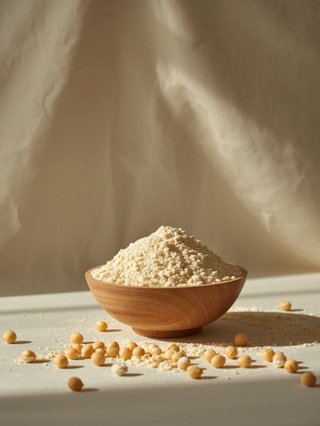
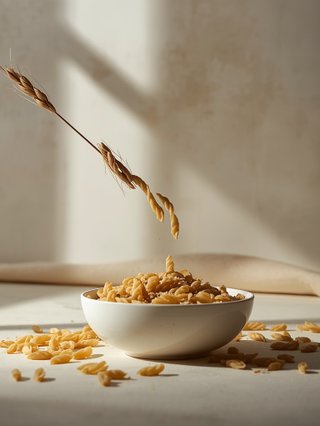
Abyssinian lovegrass, commonly referred to as teff (Eragrostis abyssinica in botanical nomenclature), represents one of the most ancient cultivated cereals, with its agricultural origins tracing back to pre-Christian eras in the highlands of Ethiopia and adjacent East African territories. The grain’s most distinguishing feature is its diminutive seed size, comparable to that of poppy seeds, making it among the smallest of all domesticated cereal varieties. The color palette of teff seeds spans a broad spectrum, encompassing pale ivory-white hues, vibrant reds, and deep, earthy browns. Notably, there exists a direct correlation between pigmentation intensity and sensory profile: darker seeds exhibit a more pronounced, robust aroma and flavor complexity. Among its primary advantages, this cereal demonstrates exceptional resilience to spoilage during prolonged household storage, alongside inherent resistance to lipid oxidation—thereby preventing rancidity—and infestation by common grain pests, traits that distinguish it from many conventional cereals.
Teff (Abyssinian lovegrass) – nutritional profile, health-promoting properties, and applications in specialized diets
Teff flour: A nutrient-dense, naturally gluten-free whole-grain alternative
Golden teff flakes: Nutrient-dense flakes from the ancient Abyssinian cereal grain
Teff pricing guide: current rates for Abyssinian lovegrass flour, flakes, and whole grains
Teff – culinary applications and traditional recipes featuring Abyssinian grain
Want to apply these guidelines in your daily diet?
Our smart diet generator creates a tailored meal plan in 3 minutes based on the recommendations in this article.
Tags

Lena Bauer
• 25.11.2026Diets Premium Expert
Diets Premium team expert. Specializes in nutrition plans, strength sports, and training plans.