Healthier alternatives to traditional fries: how to prepare low-calorie oven fries and which vegetables and oils to use?
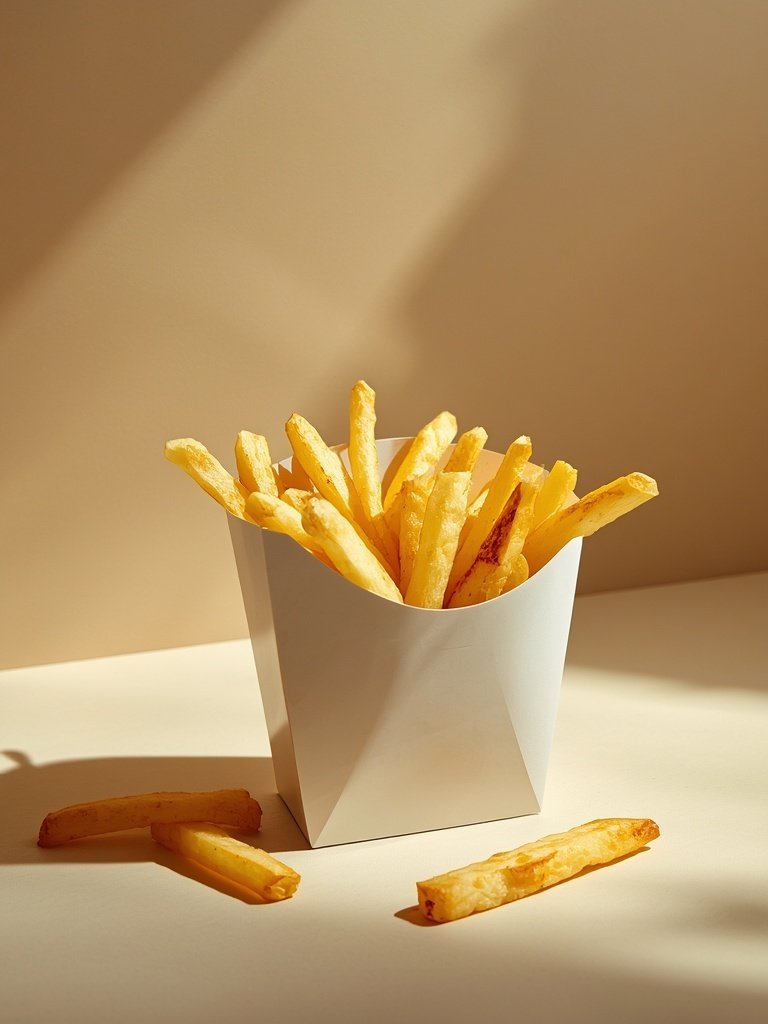
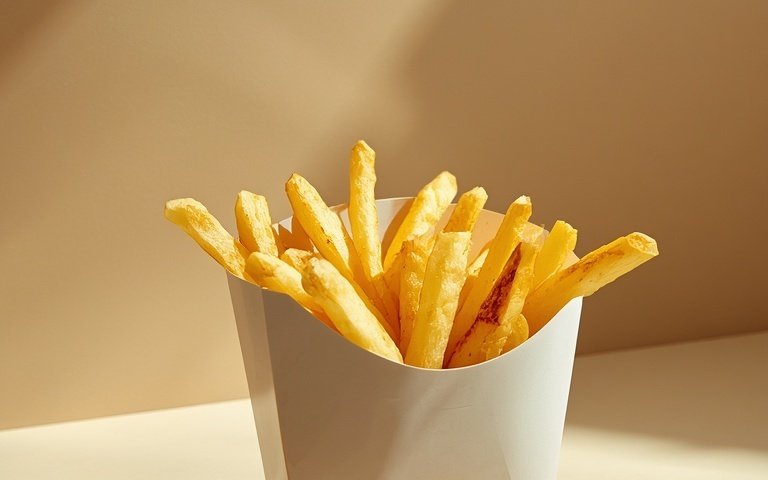
Table of Contents 4
Medical & Editorial Disclaimer (§3 Terms): This article is for informational and educational purposes only, does not constitute medical advice, diagnosis, or treatment, and is used at your own risk. Consult a qualified physician for medical conditions.
The physiological benefits of this approach stem from the diverse nutrient profiles of vegetables like sweet potatoes, celeriac, and parsnips, which provide steady energy release and high levels of provitamin A. A critical aspect of healthy preparation is the selection of culinary lipids with high oxidative stability, such as extra-virgin olive oil, which resists thermal degradation during the roasting process. Furthermore, techniques like cold-water soaking help to reduce the formation of acrylamide by leaching out excess surface sugars and starches before the vegetables reach high temperatures.
Practical application in the kitchen involves simple yet effective steps like thoroughly drying vegetable batons and using convection heat to achieve a golden exterior without excessive oil. Incorporating a variety of colorful vegetables not only enhances the flavor profile but also ensures a broader intake of health-promoting phytonutrients. This mindful approach to a classic snack supports long-term wellness goals and provides a wholesome way to satisfy cravings within a balanced and nutrient-focused lifestyle.
Conventional deep-fried potato french fries cooked in repeatedly heated industrial oils rank among the most energy-dense and metabolically deleterious fast foods—absorbing large quantities of oxidized lipids while generating trans fatty acid isomers and neurotoxic acrylamide. Transitioning from deep-fat frying to convection oven roasting or air-frying, alongside incorporating colorful root vegetables, slashes caloric density by over 60% while enriching the meal with prebiotic fiber, potassium, and provitamin A carotenoids.
Nutrient-Dense Vegetable Fries: Sweet Potatoes, Celeriac, Carrots, Parsnips, and Zucchini
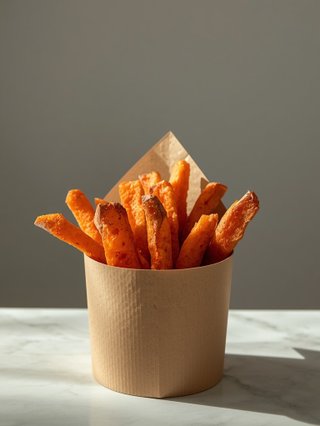
Root, tuber, and gourd vegetables offer a vibrant, micronutrient-rich alternative to standard white potatoes, developing a caramelized exterior and lower glycemic impact when oven-roasted:
- Sweet potatoes (Ipomoea batatas): Exceptionally rich in beta-carotene (provitamin A), potassium, and soluble fiber, providing steady energy release and potent antioxidant protection.
- Celeriac (celery root) and parsley root: Ultra-low in calories (21–42 kcal per 100 g) and carbohydrates while rich in anti-inflammatory apigenin, potassium, and essential oils—making them ideal for ketogenic, low-carbohydrate, and diabetic meal plans.
- Carrots and parsnips: Gentle thermal roasting in the presence of a small amount of monounsaturated oil increases the intestinal bioavailability of carrot alpha- and beta-carotene several-fold.
- Zucchini and Hokkaido pumpkin: Providing just 16 kcal per 100 g with a glycemic index of 15, thick-cut zucchini batons coated in herbs and Parmesan or nutritional yeast bake into a light, hydrating side dish.
Selecting the Optimal Oil for Oven-Baking: Smoke Point and Oxidative Stability
Ensuring the cardiometabolic safety of oven-roasted fries requires selecting a culinary lipid resistant to thermal degradation at 190–200°C (375–400°F). True thermal stability is determined not merely by smoke point, but by a high proportion of monounsaturated oleic acid (omega-9) paired with low levels of oxidation-prone polyunsaturated fatty acids (PUFAs):
- Optimal high-heat oils: Extra-virgin and refined olive oil (containing ~70–75% oleic acid plus protective polyphenolic antioxidants and squalene; smoke point 190–210°C), high-oleic rapeseed/canola oil (~62% oleic acid), and avocado oil (smoke point up to 250°C).
- Oils to strictly avoid for high-heat roasting: Conventional sunflower oil, grapeseed oil, corn oil, soybean oil, and flaxseed oil. Because these oils are dominated by double-bond-rich omega-6 or omega-3 PUFAs, oven temperatures rapidly induce lipid peroxidation, generating cytotoxic lipid hydroperoxides and unsaturated aldehydes.
Culinary Engineering: Achieving Crispiness Without Deep-Frying and Minimizing Acrylamide
Achieving a golden, crunchy exterior and tender interior in an oven or convection air fryer using just a single tablespoon of oil relies on four food-science steps:
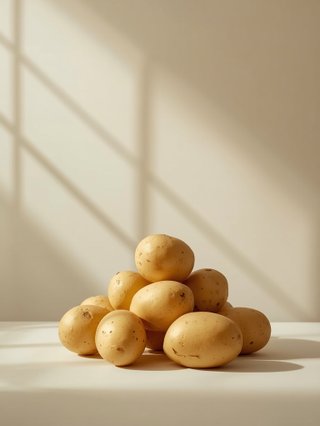
- Cold-water soaking (acrylamide reduction): Submerge uniformly cut potato or sweet potato batons (approx. 1 cm thick) in cold water for 30 minutes before baking. Soaking leaches surface free sugars (glucose and fructose) and excess starch, reducing Maillard-driven acrylamide formation by 40–50%.
- Thorough drying and starch dusting: Pat the soaked strips bone-dry with a clean kitchen towel, toss with 1 tablespoon (10 g) of olive oil, and lightly dust with 1 teaspoon of potato starch or arrowroot plus antioxidant-rich herbs (rosemary, thyme, smoked paprika, turmeric, garlic). The starch film creates a blistered, crispy crust.
- Single-layer convection roasting: Arrange batons on a parchment-lined sheet with space between each piece so steam escapes freely. Bake at 190–200°C (375–400°F) for 20–30 minutes until golden yellow (avoid dark brown charring). Season with sea salt only after removing from the oven to prevent osmotic moisture weeping during baking.
Caloric and Nutritional Comparison: Deep-Fried Potato Fries vs Oven-Baked Vegetable Fries
Comparing the energy density per 100 g of raw vegetable base versus finished dish highlights the substantial metabolic advantage of oven-roasted vegetable fries:
- Conventional deep-fried fast-food french fries (100 g): approximately 310–340 kcal and 15–17 g of fat (a standard 200 g restaurant serving delivers 620–680 kcal).
- Oven-baked homemade potato fries with minimal olive oil (100 g): approximately 115–130 kcal and 3.5 g of monounsaturated fat.
- Sweet potato (100 g raw base): 86 kcal (roughly 110–120 kcal baked with a brush of oil), 3 g of dietary fiber, and over 400% of the daily value for provitamin A.
- Carrots (100 g raw base): 27–35 kcal, rich in beta-carotene and cholesterol-lowering soluble pectins.
- Celeriac / celery root (100 g raw base): only 21–26 kcal with minimal net digestible carbohydrates.
- Zucchini (100 g raw base): just 16–18 kcal, 95% cellular water, and abundant potassium.
Consequently, a generous 200 g serving of mixed oven-baked root vegetable fries prepared with a teaspoon of olive oil provides only 140–210 kcal—cutting caloric intake by more than two-thirds compared to deep-fried alternatives.
Want to apply these guidelines in your daily diet?
Our smart diet generator creates a tailored meal plan in 3 minutes based on the recommendations in this article.
Tags

mgr Emilia Szymańska
• 25.11.2026Diets Premium Expert
Diets Premium team expert. Specializes in nutrition plans, strength sports, and training plans.