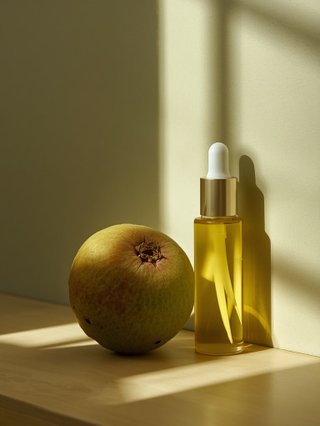
Prickly pear (Opuntia ficus-indica): botanical characteristics, health benefits, and application in dietetics
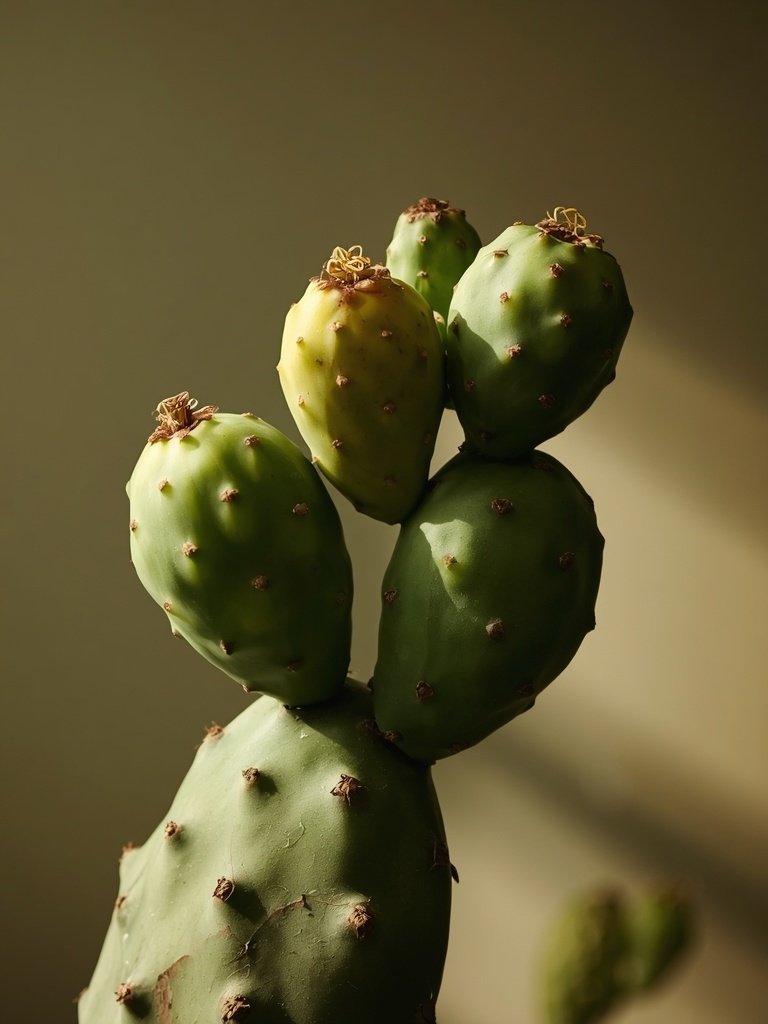
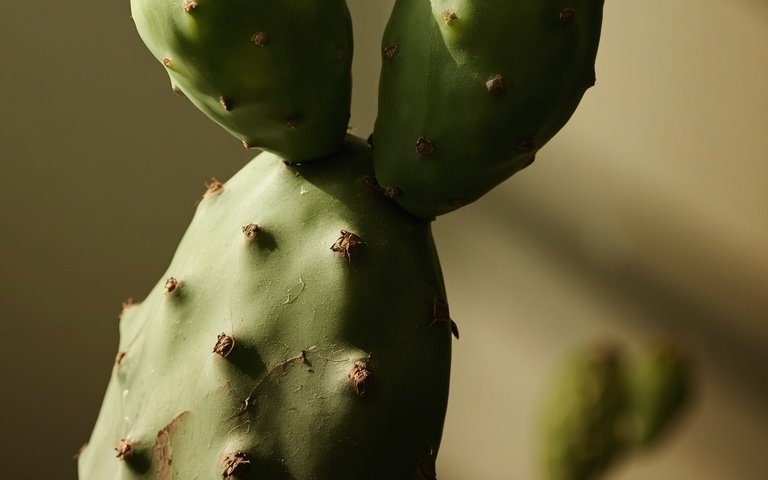
Table of Contents 4
Medical & Editorial Disclaimer (§3 Terms): This article is for informational and educational purposes only, does not constitute medical advice, diagnosis, or treatment, and is used at your own risk. Consult a qualified physician for medical conditions.
The core insights into its health-promoting properties center on its ability to modulate metabolic responses through viscous soluble fibers. These fibers act by slowing down the absorption of sugars and fats in the digestive tract, which supports more stable blood glucose levels and a healthier lipid profile. Furthermore, the presence of potent antioxidants like vitamin C and E, combined with essential minerals, provides a cytoprotective effect that helps the body manage oxidative stress and supports the integrity of the gastric lining.
Practical application of the Prickly Pear involves incorporating both its vibrant fruits and tender green cladodes into the diet. The fruits can be enjoyed fresh or as part of functional juices and preserves, while the cladodes serve as a nutrient-rich vegetable substitute in various culinary preparations. By integrating these natural components into a balanced lifestyle, individuals can benefit from improved digestive health and metabolic support, utilizing the plant's diverse bioactive profile to foster long-term physical well-being.
Prickly pear (Opuntia ficus-indica), historically revered across arid regions of the Americas and the Mediterranean basin, has emerged in modern nutritional science as an extraordinary functional food. From glycemic control and lipid modulation to cellular cytoprotection, this resilient xerophytic cactus offers significant therapeutic advantages.
Botanical Profile, Geographic Origin, and Morphology
Prickly pear (Opuntia ficus-indica) belongs to the diverse family Cactaceae, which encompasses approximately 150 to 200 recognized species. Indigenous to the arid and semi-arid plateaus of Mexico, the plant was introduced to the Mediterranean basin, southern Africa, Australia, and parts of Asia following transatlantic voyages in the 16th century, establishing itself effortlessly due to its exceptional drought resistance.
Morphologically, the cactus is characterized by flattened, photosynthetic stem segments known as cladodes (often termed nopales). These succulent pads perform Crassulacean Acid Metabolism (CAM) to conserve water, while reduced leaves form sharp spines and microscopic barbs called glochids.
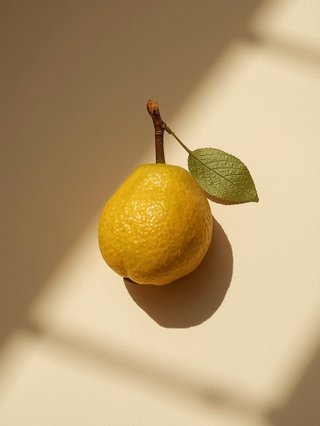
The ovoid fruits, commonly called cactus figs or tunas, weigh between 100 and 160 grams at harvest. Depending on variety and betalain pigment concentration, their hues range from pale green and golden yellow to vivid orange and deep ruby red. The succulent pulp surrounds numerous small, hard seeds and represents both a versatile staple food and a potent nutraceutical matrix.
Phytochemical Composition and Nutritional Density
Both the fruits and tender cladodes of Opuntia ficus-indica possess a distinctive, nutrient-dense biochemical composition. Consisting of 85–92% water, they serve as concentrated reservoirs of vital micronutrients and protective phytochemicals:
- Vitamins and Minerals: Rich in ascorbic acid (vitamin C, up to 40 mg/100 g), alpha-tocopherol (vitamin E), and group B vitamins (thiamine, pyridoxine). Essential minerals include potassium, bioavailable magnesium, and calcium, contrasted by exceptionally low sodium levels.
- Soluble and Insoluble Fiber: High fractions of functional mucilage and pectins consisting of arabinose, galactose, rhamnose, and xylose, responsible for enhanced water retention and viscous gel formation in the intestinal tract.
- Betalain Pigments: Potent water-soluble antioxidants classified into violet-red betacyanins (predominantly betanin) and yellow-orange betaxanthins (notably indicaxanthin), which exhibit strong anti-radical capacity.
- Polyphenols and Organic Acids: Abundant in quercetin, kaempferol, isorhamnetin derivatives, and phenolic acids alongside tartaric, succinic, and malic acids.
Toxicological assessments categorize Opuntia biomass as safe and non-toxic. Mild adverse events are generally transient and gastrointestinal—such as loose stools, flatulence, or mild bowel fullness—typically arising only after very high single-dose fiber intakes without adequate hydration.
Pharmacological Actions and Clinical Evidence
Both preclinical assays and controlled human interventions corroborate the multifaceted therapeutic potential of Opuntia ficus-indica bioactive complexes:
- Metabolic Regulation and Glycemic Control: Viscous soluble fibers delay gastric emptying and impede alpha-glucosidase activity, leading to a marked attenuation of postprandial blood glucose and improved peripheral insulin sensitivity in patients with metabolic syndrome.
- Lipid Partitioning and Weight Management: Cladode-derived fiber fractions physically bind dietary triglycerides and cholesterol within the intestinal lumen, prompting fecal excretion and diminishing net caloric absorption. Clinical trials enrolling overweight cohorts documented superior weight loss, reduction of waist circumference, and favorable lipid shifts—including elevated protective HDL and reduced LDL levels.
- Gastrointestinal Mucoprotection: The unique mucilage-pectin matrix acts as a biological shield across gastric epithelial surfaces. It accelerates mucosal repair, enhances local prostaglandin synthesis, and prevents ulcerative necrosis induced by chemical irritants such as ethanol or non-steroidal anti-inflammatory drugs.
- Antioxidative Protection and Hangover Attenuation: Indicaxanthin and betanin cross biological barriers, scavenging reactive oxygen species and suppressing systemic inflammatory cytokines. Placebo-controlled clinical data indicate that pre-exposure administration of prickly pear extract significantly attenuates alcohol-induced inflammatory hangover symptoms (nausea, dry mouth, headache).
Culinary, Cosmeceutical, and Practical Applications
Due to its versatile biochemical properties, Opuntia ficus-indica enjoys widespread use across culinary, pharmaceutical, and dermatological disciplines:
In gastronomy, despinched tender cladodes (nopalitos) are treated as nutrient-rich green vegetables, utilized in salads, sautés, and stews throughout Mexican and Mediterranean cooking. The sweet fruits are consumed raw, pressed into artisanal juices, or converted into jams, purées, and functional beverages.
In pharmaceutical and dietary formulations, purified opuntia fiber serves as an active compound in weight-loss aids, postprandial glucose regulators, and liver support botanicals targeting systemic low-grade inflammation.
In cosmetic chemistry, prickly pear seed oil is renowned as a premier botanical elixir. Yielded via cold-pressing cactus seeds, it boasts unmatched levels of linoleic acid (up to 70%) and natural tocopherols. Topical applications strengthen the stratum corneum barrier, inhibit transepidermal water loss (TEWL), and offer remarkable anti-aging, firming, and skin-regenerating efficacy.
Want to apply these guidelines in your daily diet?
Our smart diet generator creates a tailored meal plan in 3 minutes based on the recommendations in this article.

Wojciech Wiśniewski
• 25.11.2026Diets Premium Expert
Diets Premium team expert. Specializes in nutrition plans, strength sports, and training plans.