Berries and their health benefits – comprehensive application in diet and natural medicine

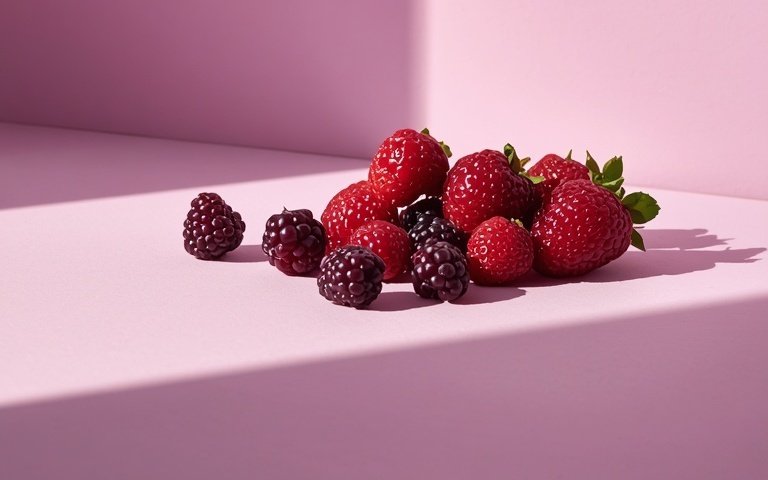
Table of Contents 4
Medical & Editorial Disclaimer (§3 Terms): This article is for informational and educational purposes only, does not constitute medical advice, diagnosis, or treatment, and is used at your own risk. Consult a qualified physician for medical conditions.
From a physiological standpoint, the primary active phytochemicals are anthocyanins, which help safeguard cellular DNA from reactive oxygen species while supporting capillary elasticity and healthy microcirculation. In relation to ocular physiology, these compounds assist in the regeneration of rhodopsin, a light-sensitive retinal pigment essential for visual adaptation in low-light conditions. Furthermore, the soluble dietary fibers found in wild berries, particularly pectins, contribute to steady blood glucose regulation and healthy insulin sensitivity, whereas the natural tannins concentrated in dried bilberries exert a gentle astringent effect on the intestinal mucosa.
To retain the maximum nutritional value of wild bilberries in daily dietetics, it is best to consume them fresh, flash-frozen, or as high-grade unsweetened extracts. Because anthocyanins are sensitive to thermal degradation, raw berries make an ideal addition to natural yogurt, morning porridge, or antioxidant-rich smoothies without the need for cooking. Utilizing rapid freezing techniques preserves these heat-sensitive phytochemicals effectively, allowing for convenient year-round integration into a health-supportive kitchen.
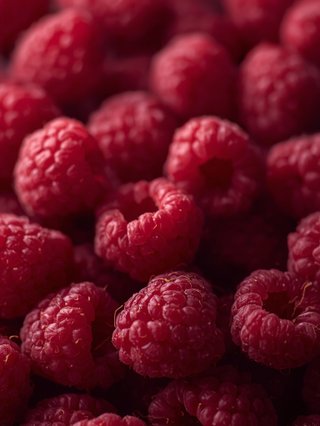
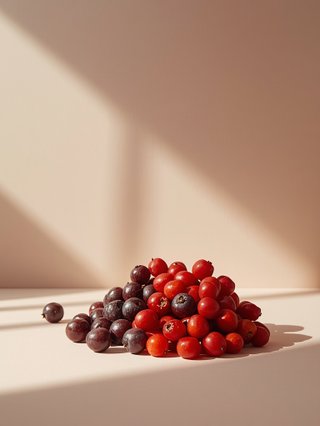
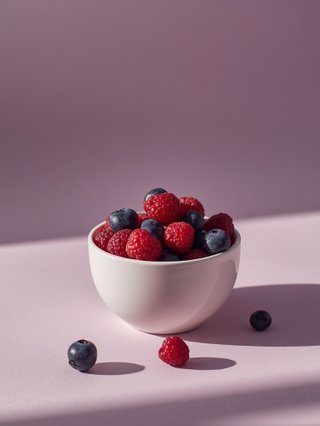
The profound hues of violet, black, and ruby red concealed within berries harbor an invaluable wealth of bioactive compounds. These natural pigments, coupled with a high concentration of polyphenols, flavonoids, and vitamins, constitute a formidable protective barrier for the human body. Their mechanism of action relies on the neutralization of free radicals, the inhibition of inflammatory processes at the cellular level, and the enhancement of tissue regenerative pathways.
Anthocyanins and the Antioxidant Power of Wild Bilberries
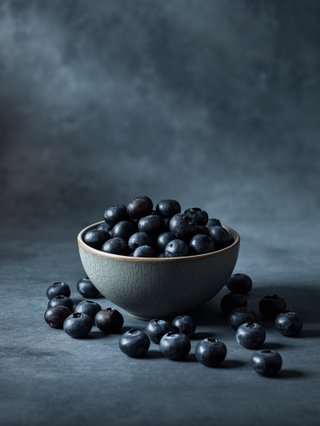
The European bilberry (Vaccinium myrtillus) differs significantly from cultivated highbush blueberries: its flesh is intensely pigmented dark purple throughout, indicating a massive concentration of anthocyanins. These phytochemicals rank among the most powerful antioxidants known in nature.
- Combating free radicals: Anthocyanins neutralize reactive oxygen species and protect cellular DNA from oxidative damage.
- Vascular protection: They enhance capillary elasticity and improve microcirculation throughout the body.
- Anti-inflammatory action: Regular consumption reduces systemic inflammatory markers such as C-reactive protein.
Thanks to these properties, wild bilberries provide a valuable contribution to cardiovascular health and the prevention of age-related degenerative conditions.
Support for Vision and Eye Health
Bilberries gained historical renown during World War II when British pilots reportedly consumed bilberry jam before night missions to sharpen their dark adaptation. Modern clinical research increasingly validates the physiological mechanisms behind these observations.
Active compounds in wild berries accelerate the regeneration of rhodopsin—a vital light-sensitive purple pigment in retinal photoreceptors necessary for night and low-light vision. Furthermore, standardized bilberry extracts optimize ocular blood flow and shield delicate retinal tissues from oxidative stress induced by digital screens and environmental radiation, making them an essential dietary asset for heavy computer users and aging eyes.
Impact on Metabolism and the Gastrointestinal Tract
Beyond ocular health, wild berries play a crucial role in metabolic regulation. Due to their low glycemic index and high concentration of soluble dietary fibers, particularly pectins, they assist in maintaining stable blood glucose levels and improving insulin sensitivity.
From a gastroenterological perspective, dried bilberries have served for centuries as a natural remedy for diarrhea. The abundant tannins present in the fruit exert an astringent effect on the intestinal mucosa, inhibiting pathogenic bacterial growth and soothing acute digestive discomfort. Conversely, fresh berries support peristalsis and foster a diverse, thriving gut microbiome.
Culinary Diversity and Proper Preparation
Wild bilberries are not only therapeutically potent but also exceptionally versatile in culinary applications. To maximize their nutritional yield, they should be consumed fresh, flash-frozen, or utilized as high-grade, un sweetened extracts.
- Raw consumption: Excellent incorporated into natural yogurt, morning porridge, or antioxidant-rich smoothies.
- Freezing: Rapid flash-freezing preserves heat-sensitive anthocyanins with minimal nutritional degradation.
- Preservation: When preparing preserves or infusions, minimize added sugars to safeguard their metabolic health benefits.
Integrating these nutrient-dense berries into daily nutritional regimens offers a delicious, evidence-based strategy for promoting longevity and systemic well-being.
Want to apply these guidelines in your daily diet?
Our smart diet generator creates a tailored meal plan in 3 minutes based on the recommendations in this article.
Tags

mgr Max Müller
• 25.11.2026Diets Premium Expert
Diets Premium team expert. Specializes in nutrition plans, strength sports, and training plans.