Dairy products and milk – a comprehensive guide: nutritional value, types of products, benefits, and health contraindications
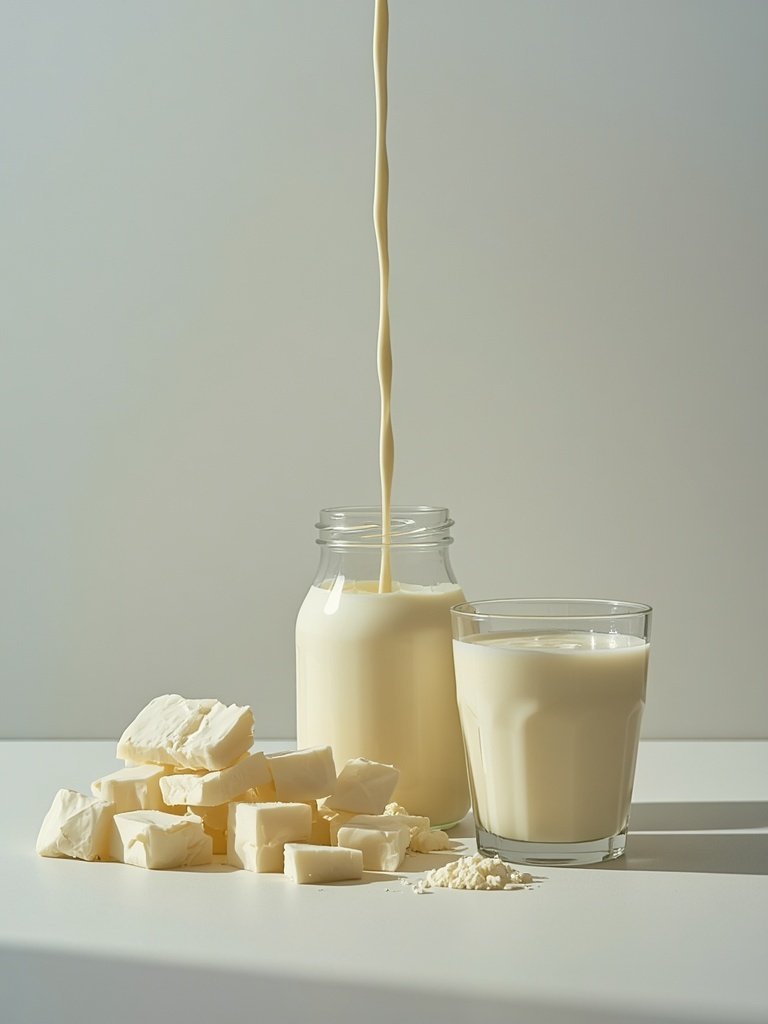
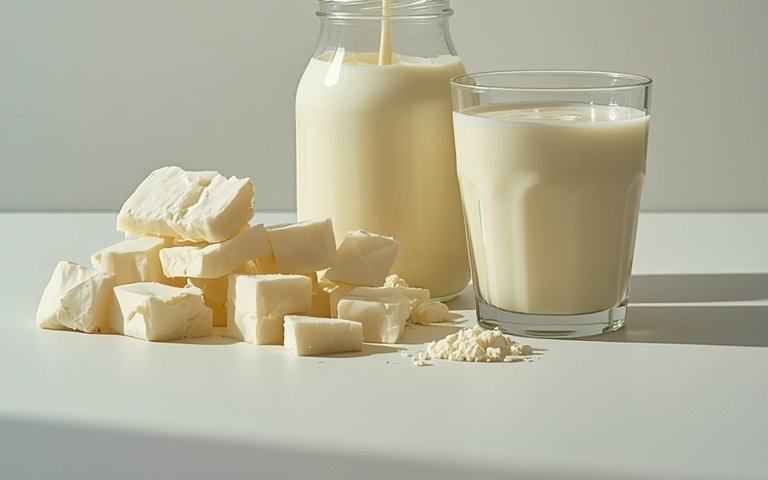
Table of Contents 5
Medical & Editorial Disclaimer (§3 Terms): This article is for informational and educational purposes only, does not constitute medical advice, diagnosis, or treatment, and is used at your own risk. Consult a qualified physician for medical conditions.
The physiological benefits of dairy stem from the exceptional bioavailability of its minerals, facilitated by natural components like casein phosphopeptides. Fermented options such as kefir and yogurt introduce beneficial bacterial strains that enhance the digestibility of proteins and fats while fostering a healthy internal environment. Furthermore, the biochemical transformation during cheese maturation effectively removes lactose, making aged varieties a suitable choice for individuals who typically struggle with dairy sugars.
Incorporating a variety of dairy products into the daily routine can help optimize nutritional intake and support digestive wellness. Choosing fermented beverages provides functional benefits for the gut microflora, while selecting pasteurized products ensures microbiological safety without compromising heat-sensitive nutrients. For a well-rounded approach, individuals should balance fresh and ripened dairy options, tailoring their choices to personal health considerations and specific dietary requirements for maximum benefit.
This article is professional premium content (PRO) provided in its entirety.
Dairy products have long represented a cornerstone of traditional human nutrition. Consuming 2 to 3 servings of dairy daily is widely recommended by leading nutritional guidelines worldwide. Today’s dairy spectrum ranges from pasteurized fluid milk and functional fermented drinks fortified with targeted probiotic strains to diverse artisanal curd and rennet-ripened cheeses. Discover an evidence-based assessment of dairy nutritional density, clinical advantages, and specific conditions requiring personalized dietary adjustments.
Milk and dairy products – overview of nutritional composition and health value
Dairy products represent the predominant and most bioavailable dietary source of calcium in human nutrition – a mineral crucial for bone mineral density, neuromuscular transmission, and cardiac muscle contraction. The outstanding bioavailability of dairy calcium is supported by an optimal calcium-to-phosphorus ratio (approximately 1:1), coupled with the natural presence of lactose and casein phosphopeptides that facilitate intestinal absorption.
In addition to calcium, dairy delivers high-biological-value protein containing all essential amino acids (notably leucine, lysine, and methionine). It also serves as an important source of B-complex vitamins (especially riboflavin B2 and cobalamin B12), vitamin A, and, in whole-milk products, bioavailable vitamin D and conjugated linoleic acid (CLA), known for its metabolic and immunomodulatory properties.
Fluid milk – processing methods, pasteurization, and microbiological safety
Raw milk naturally contains environmental microflora which, under unmonitored conditions, could present microbiological risks. Consequently, consumer drinking milk undergoes standardized fat standardization, homogenization (disrupting fat globules to ensure uniform emulsion stability), and controlled thermal preservation.
Standard pasteurization (heating at 72–75°C for 15 seconds) effectively eliminates pathogenic microflora while fully retaining organoleptic properties and heat-sensitive nutrients. Ultra High Temperature processing (UHT: heating to 135–150°C for 2–4 seconds) achieves commercial sterility and extended shelf-life at ambient temperatures prior to opening, with only minor degradation of thermolabile micronutrients such as folate.
Fermented dairy beverages – yogurt, kefir, probiotics, and bioactive components
Fermented milk beverages (yogurt, kefir, buttermilk, traditional sour milk) are distinguished by increased digestibility of protein and lipids, alongside enhanced bioavailability of minerals compared to regular fluid milk. During fermentation, lactic acid bacteria convert lactose into glucose, galactose, and lactic acid, lowering product pH and creating an optimal digestive environment.
Traditional yogurts rely on symbiotic starter cultures of Lactobacillus bulgaricus and Streptococcus thermophilus, while kefir undergoes dual lactic and ethanolic fermentation driven by authentic kefir grains (a unique consortium of yeasts and lactic acid bacteria). Modern functional dairy drinks are further fortified with evidence-backed probiotic strains such as Lactobacillus acidophilus, Lacticaseibacillus rhamnosus, and Bifidobacterium species that support the gut mucosal barrier and immune equilibrium. The addition of prebiotic dietary fibers like inulin creates synbiotic formulations that optimize gut microbiota resilience.
Cheese classification and varieties – production technology and category guide
Cheeses represent the most sophisticated category in dairy technology. The core biochemical process involves coagulation of milk caseins, achieved either via acid precipitation (lactic acid bacteria activity, typical of fresh curds/quark), enzymatic rennet coagulation (using chymosin, today predominantly of microbial fermentation origin), or a mixed acid-rennet mechanism.
Following curd formation and whey separation, cheeses are molded, pressed, brined, and, in the case of ripened varieties, matured under precisely managed humidity, oxygen, and temperature conditions.
| Classification Criterion | Categories and Representative Types |
|---|---|
| Milk Source | Bovine (cow), caprine (goat), ovine (sheep), or mixed milk |
| Coagulation Mechanism | Rennet cheeses (hard and semi-hard), acid curds (quark, cottage cheese), mixed acid-rennet |
| Moisture in Non-Fat Substance | Extra hard (Parmesan, Grana Padano), hard (Gouda, Cheddar, Emmental), semi-hard (Tilsit), soft (Camembert, Brie) |
| Ripening Profile | Fresh/unripened (ricotta, mozzarella, quark), surface-mold ripened (Brie), blue-veined interior mold (Roquefort, Gorgonzola), smear-ripened |
| Processed Cheeses | Manufactured by melting natural cheeses with emulsifying salts (sodium citrates/phosphates); moderate consumption is advised due to elevated sodium and phosphorus contents. |
Nutritional and health evaluation of cheese – calcium, fats, sodium, and whey proteins
Cheeses possess a complex, nuanced nutritional profile. On the one hand, aged hard cheeses (Parmesan, Gouda, mature Cheddar) represent the most concentrated food sources of dietary calcium – a modest 30–40 g serving of aged Parmigiano Reggiano supplies almost half of the daily adult calcium requirement. Furthermore, extended fermentation and enzymatic aging completely metabolize residual lactose, rendering hard cheeses naturally lactose-free and well-tolerated by lactose-malabsorbing individuals.
On the other hand, traditional hard cheeses exhibit high energy density, saturated fatty acid concentration, and substantial sodium content derived from preservation brining. In weight management and cardiovascular clinical nutrition, prioritizing low-fat quark, cottage cheese, and authentic whey-based ricotta (rich in whey lactalbumins with outstanding branched-chain amino acid ratios) provides the optimal balance of lean protein, calcium, and vascular health.
Want to apply these guidelines in your daily diet?
Our smart diet generator creates a tailored meal plan in 3 minutes based on the recommendations in this article.
Tags

mgr Max Müller
• 25.11.2026Diets Premium Expert
Diets Premium team expert. Specializes in nutrition plans, strength sports, and training plans.