Hummus – properties, nutritional ingredients, and preparation methods
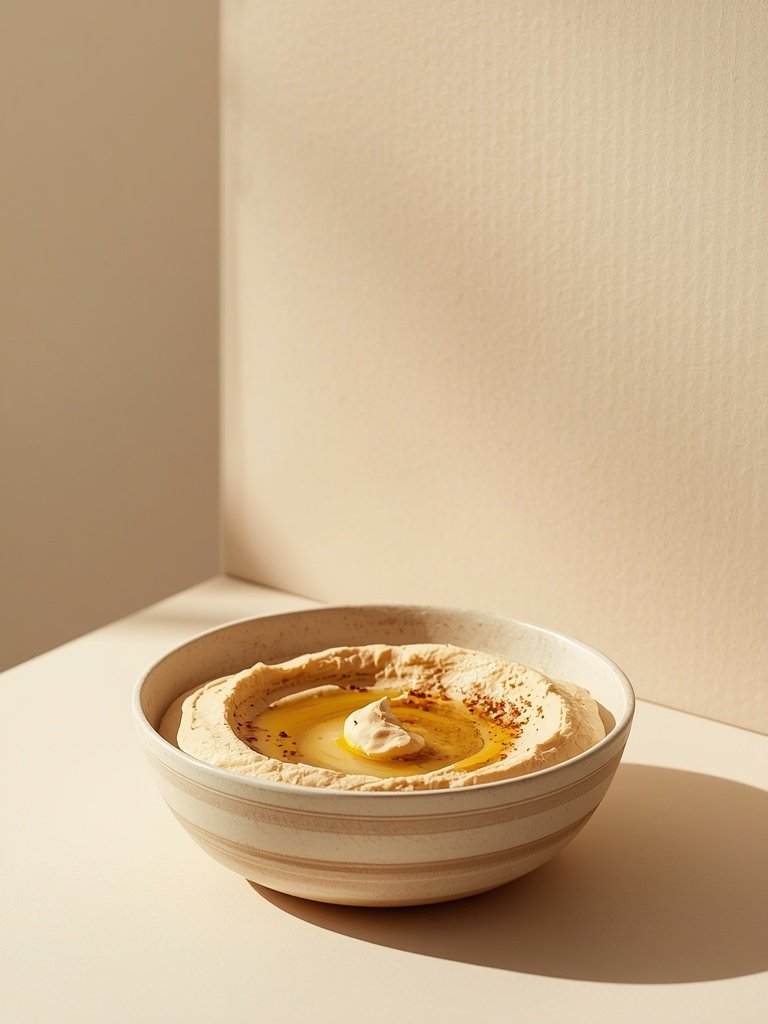
Table of Contents 3
Medical & Editorial Disclaimer (§3 Terms): This article is for informational and educational purposes only, does not constitute medical advice, diagnosis, or treatment, and is used at your own risk. Consult a qualified physician for medical conditions.
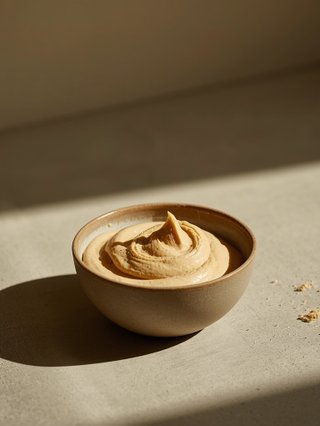
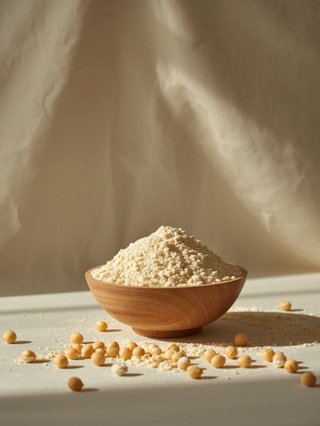
From a nutritional standpoint, hummus is highly regarded among vegetarians and vegans due to its primary ingredient, chickpeas, which supply quality plant-based protein. The spread is also rich in dietary fiber, a key component that promotes lasting satiety and supports healthy digestive function. Furthermore, chickpeas contain bioactive compounds such as saponins and phytic acid, which offer protective qualities and may support the maintenance of healthy cholesterol levels as part of a balanced lifestyle. Pairing legumes with sesame paste further enhances the overall nutritional profile with beneficial fats.
Incorporating homemade hummus into daily meal planning is straightforward and allows complete control over ingredient quality and seasoning. The preparation involves soaking and cooking chickpeas until tender—or using ready-to-eat canned varieties—and blending them with toasted sesame seeds or tahini, oil, garlic, and lemon juice until smooth. Customized with a pinch of salt and optional spices like paprika or chili, the refrigerated paste serves as a wholesome bread spread or a nourishing dip for raw vegetables.
How is hummus prepared and what exactly is it?
Hummus - Nutritional Benefits and Composition
Crafting homemade hummus!
Want to apply these guidelines in your daily diet?
Our smart diet generator creates a tailored meal plan in 3 minutes based on the recommendations in this article.

mgr Felix Weber
• 25.11.2026Diets Premium Expert
Diets Premium team expert. Specializes in nutrition plans, strength sports, and training plans.