Gelatin - ingredients, health benefits, and how to prepare. Are these sweets really healthy?
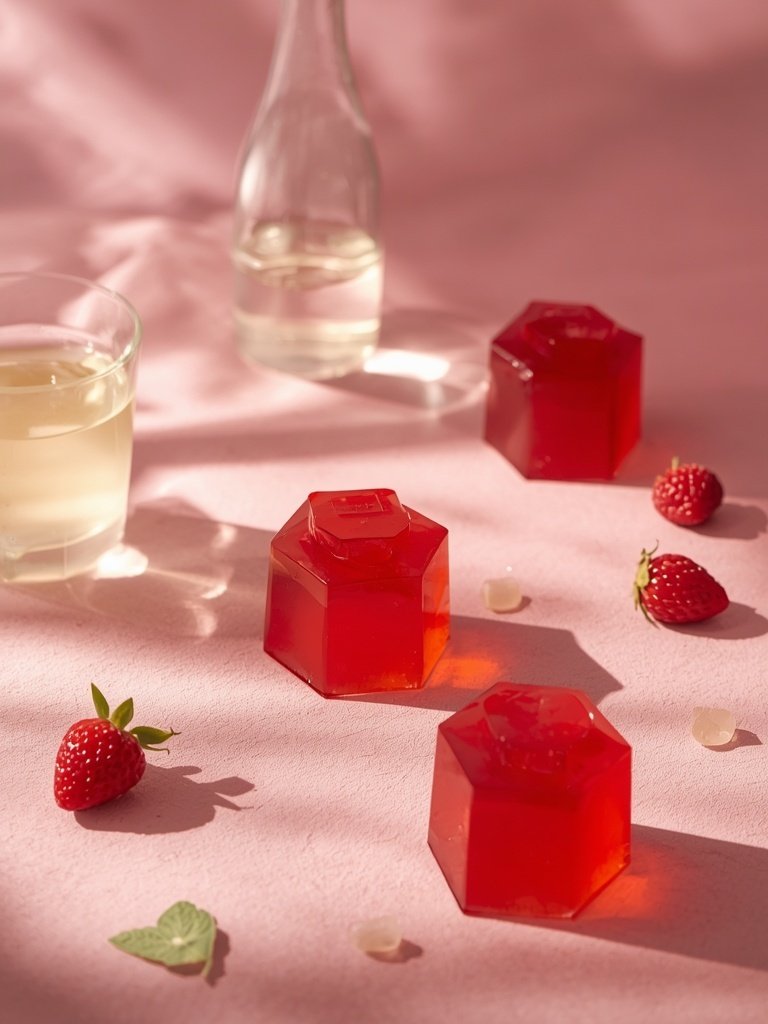
Table of Contents 4
Medical & Editorial Disclaimer (§3 Terms): This article is for informational and educational purposes only, does not constitute medical advice, diagnosis, or treatment, and is used at your own risk. Consult a qualified physician for medical conditions.
Physiologically, these treats are primarily composed of glucose syrup and gelling agents like gelatin or plant-based alternatives such as agar and pectin. Although some products incorporate fruit juice concentrates or natural dyes, they remain a highly concentrated source of sugars. It is important to recognize that marketing claims suggesting these candies serve as vitamin supplements or healthy snacks are misleading, as they cannot replace the nutritional value found in whole fruits or vegetables.
For those seeking a healthier approach, crafting homemade sweets is a superior alternative. By replacing refined sugars with natural sweeteners like honey or stevia and utilizing plant-based gelling agents, one can avoid artificial additives and dyes entirely. This method is particularly beneficial for individuals with sensitivities or allergies, as it allows for complete control over the ingredients used, resulting in a cleaner and more transparent treat.
Vibrant Gelatin Confections
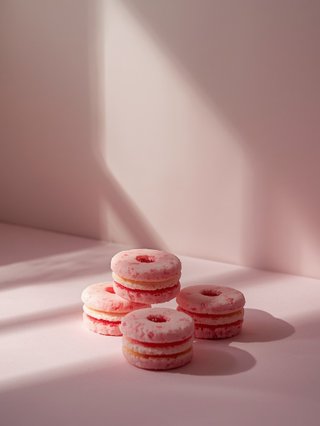
Gelatin confections, also referred to as colorful sugar candies, enjoy widespread popularity around the globe. Their appeal stems not only from their distinctive taste but also from their unique shapes and vivid hues. Historically, their rise to fame began in 1922 when Hans Riegel introduced the first gelatin candies for Haribo. However, some evidence suggests that earlier versions of soft gelatin candies existed in the 19th century, with Riegel refining the recipe. Nevertheless, it is widely acknowledged that he was instrumental in popularizing them. Since then, confectionery manufacturers have continuously introduced new iterations, ranging from classic teddy bears to dual-colored candies and filled varieties. A 100-gram serving of gelatin candies contains approximately 340 kcal, a significant caloric load considering how easily an entire pack can be consumed in one sitting. However, sugar-reduced or sugar-free versions are also available. Instead of sugar, these candies contain polyol-based sweeteners, which are metabolized differently by the body.
What components are used to make jellies?
Are the Jellies Healthy?
How to manually produce jellies?
Want to apply these guidelines in your daily diet?
Our smart diet generator creates a tailored meal plan in 3 minutes based on the recommendations in this article.

Laura Schneider
• 25.11.2026Diets Premium Expert
Diets Premium team expert. Specializes in nutrition plans, strength sports, and training plans.