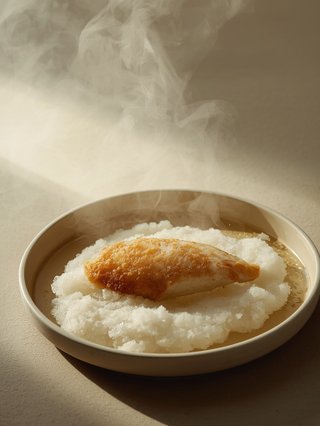
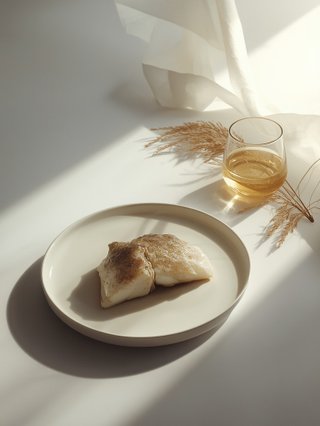
Halibut – nutritional composition, culinary uses, and role in the diet
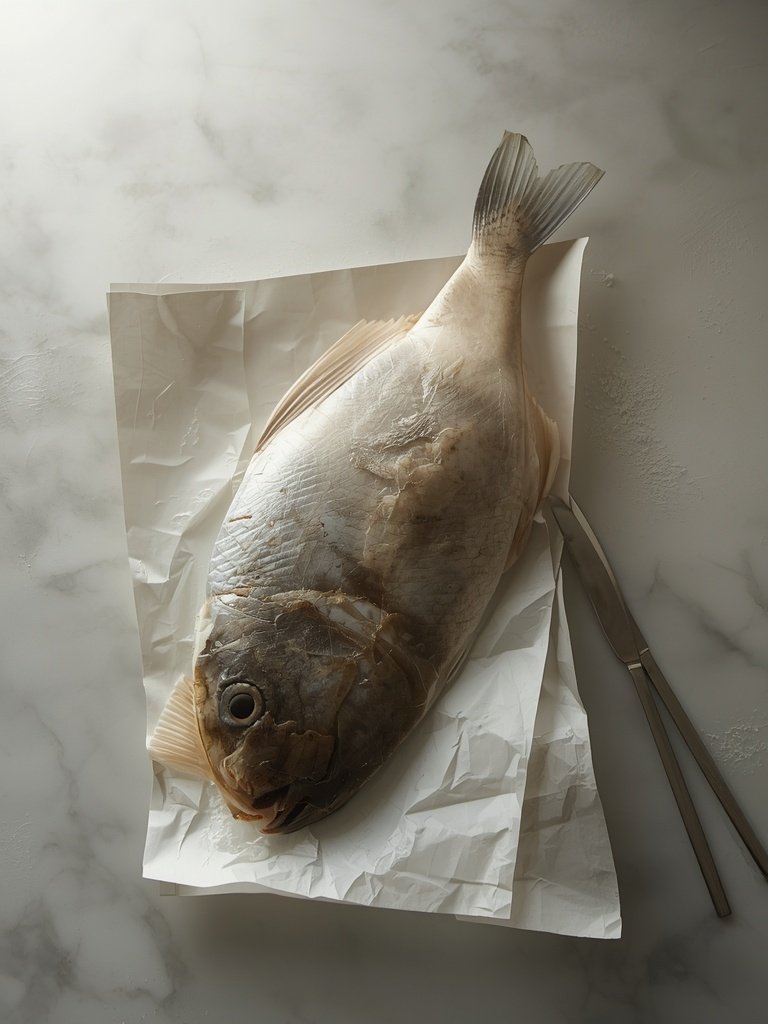
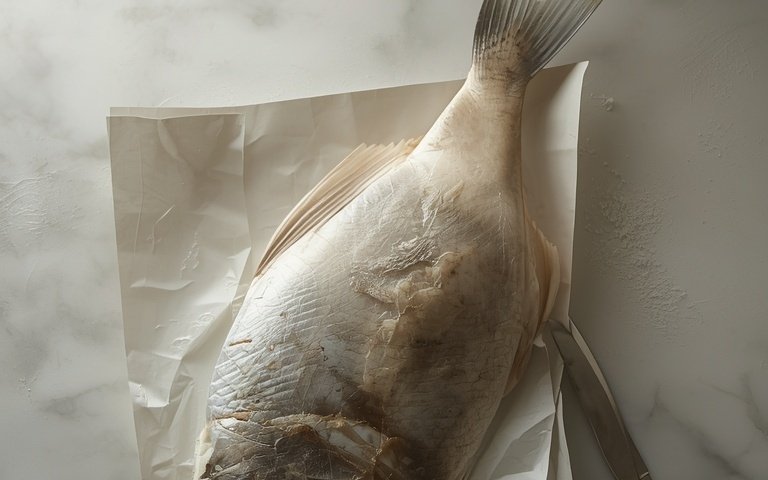
Table of Contents 3
Medical & Editorial Disclaimer (§3 Terms): This article is for informational and educational purposes only, does not constitute medical advice, diagnosis, or treatment, and is used at your own risk. Consult a qualified physician for medical conditions.
Physiologically, halibut is distinguished by its substantial high-quality protein content, which rivals that of species like salmon or trout. However, a key unique characteristic of halibut is its notably low fat profile, making it an excellent choice for nutrient-dense, lighter meals. The bioactive elements present in marine fish support overall cardiovascular wellness by helping to mitigate factors associated with myocardial infarction, cerebrovascular events, and atherosclerotic progression, thereby promoting healthy vascular function.
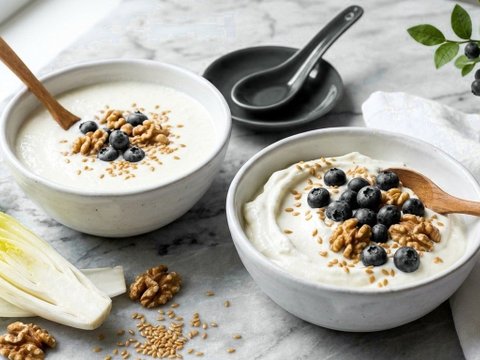
Culinary preparation of halibut relies on selecting seasonings that enhance rather than overpower its delicate, distinct flavor. Sea salt and freshly ground black pepper form the essential foundation to draw out its inherent taste, while herbs such as dried basil and thyme add aromatic depth. Garlic also complements the natural character of the meat exceptionally well. Gentle cooking techniques preserve the tender texture of the fish, making halibut a refined and nourishing component of a healthy lifestyle.
Halibut: Nutritional Profile and Distinctive Qualities of Its Flesh
The Art of Preparing Halibut: A Comprehensive Guide to Seasoning and Culinary Techniques
Halibut in a Balanced Diet: Nutritional Benefits and Physiological Impact
Want to apply these guidelines in your daily diet?
Our smart diet generator creates a tailored meal plan in 3 minutes based on the recommendations in this article.

Laura Schneider
• 25.11.2026Diets Premium Expert
Diets Premium team expert. Specializes in nutrition plans, strength sports, and training plans.